

Care
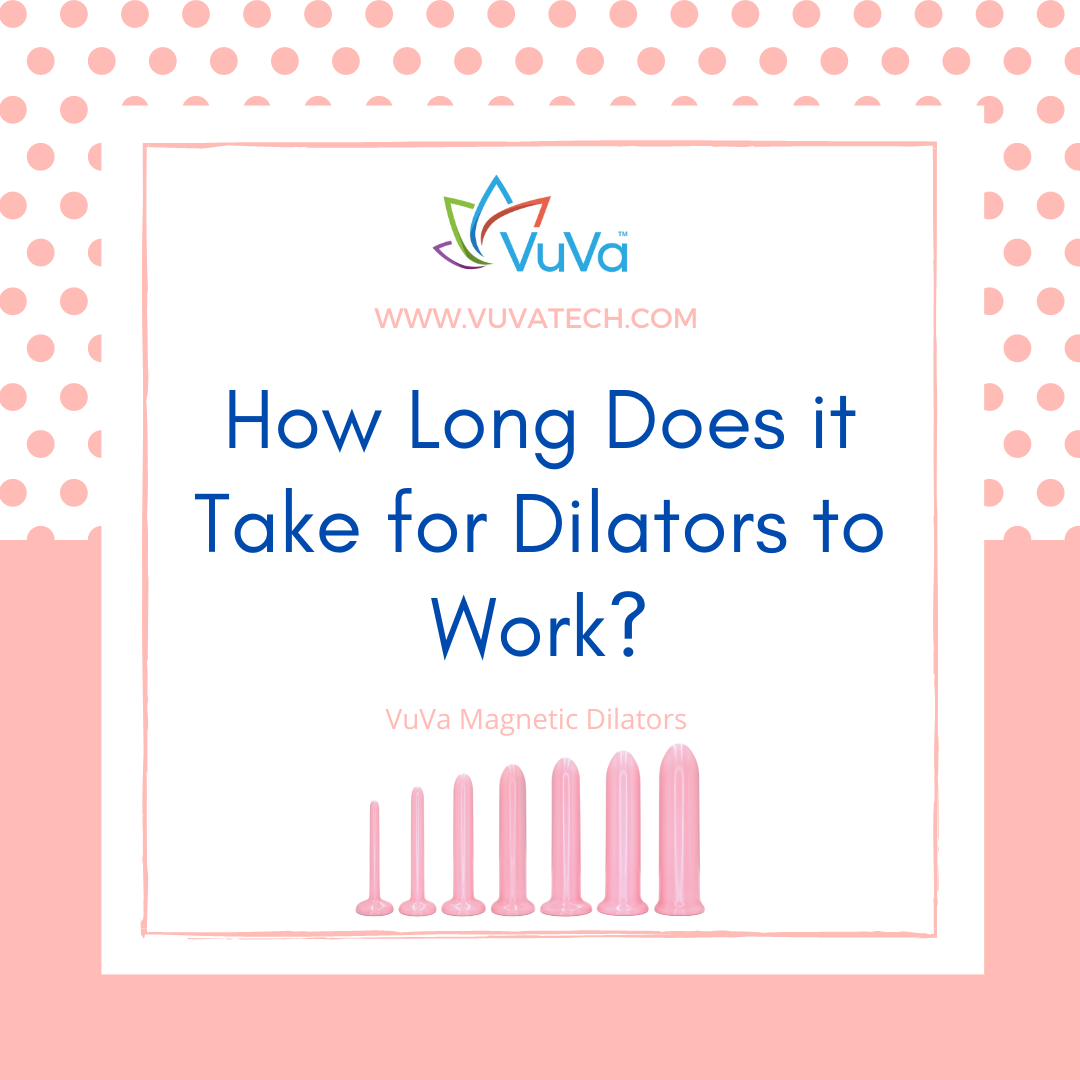

Dilator Sizes: Looking for the Largest Vaginal Dilator?
If you are looking for the largest vaginal dilator, you may already have some experience of using dilators. You may even be ready to take your healing process to the final stage… if so, that’s great news! If you are looking to buy a larger dilator but still have a few questions, we are here to answer them for you. During a course of dilator therapy, women often start out with the smallest and work their way up to using the largest vaginal dilators. Generally speaking, when you reach the point of being able to accommodate the biggest dilators, you know you have succeeded. However, we realize that every woman is different, and it isn’t always easy to know which dilator size you need. “Do I need a large dilator or not?” you might be wondering. If so, why not check out our guide on how to choose the right size dilator ? This will help you to determine whether you do in fact need the largest dilator size available. Dilators come in a range of different sizes, some small and some large. If you think that you will need to buy a large dilator, this article should answer any remaining questions you have… What size is the largest vaginal dilator? The largest vaginal dilator you can buy is the new size 7 dilator, recently added to our range (along with a new smallest vaginal dilator). It is made from medical grade BPA free plastic and doesn’t contain any Neodymium magnets. This dilator is 6.5 inches in length and has a 5.09-inch circumference. If you have never used the biggest dilator before, please be aware that you should never feel a pain level of more than a 3-4/10 when using it. If so, you may need to size down one until you are ready for this size. This may well be best size dilator for you if you’re ready to take your dilator therapy to the final stage… or you just already happen to have a bigger capacity (and therefore less work to do!). It comes with full instructions and a travel pouch, as well as some samples of our Slippery Stuff Lubricant, which makes dilators much easier to insert. What are dilators used for? These helpful little creations are here to help you with a whole range of possible conditions. Most often women come to us for help with: Vaginismus Vulvodynia Vaginal stenosis Vaginal agenesis Vaginal atrophy Vulvar vestibulitis Painful sex (dyspareunia) Problems after radiation therapy Gender reassignment surgery Our clinical study proved the benefits of VuvaTech vaginal dilators in the treatment of a wide range of women’s sexual health issues, and we are happy to say that many of our happy clients confirm the benefits of vaginal dilators! See Product See Product Vaginal dilator benefits Aside from our own studies and client reports, the benefits of vaginal dilators are well documented. Using vaginal dilators reconditions and facilitates an adaptive body/brain connection. This halts the anxiety around penetration and pain and can help to shift negative expectations. Physically, dilators retrain the pelvic floor muscles to adapt to penetration, increase blood flow to the area, desensitize nerve endings and stretch the tissues gently to expand capacity. We hope you now know what size of dilator to buy, but of course if you have any questions about our largest vaginal dilator, drop us a message and we will be happy to answer them for you. Do you need another size? Here is our full size chart: Resources Vuvatech.com/blogs/care/do-vaginal-dilators-really-work Vuvatech.com/pages/how-vuva-vaginal-dilators-work Vuvatech.com/blogs/care/vaginal-dilators-are-essential Do you need to order vaginal dilators so you can start your pelvic floor therapy process? Made in the USA. Visit www.vuvatech.com VuVa Helpful Links: How do Neodymium Vaginal Dilators work? 7 Reasons for a Tight Vagina and How to Loosen How to use Vaginal Dilators How to Relax Vaginal Muscles, Vaginismus & Sex Vaginal Stretching - Keeping in Shape with Dilators Do Dilators Really Work? Yes, and They can Improve Your Sex Life! Shop for VuVa Vaginal Dilators Tara Langdale Schmidt is the inventor of the VuVa Dilator Company. She has pelvic floor dysfunction herself and wanted to create a dilator set that is made in America that women can trust. VuVatech has been in business since 2014 and has helped over 50,000 women all over the globe. She patented the Neodymium Vaginal Dilator, that is clinically proven to help with blood flow and nerve pain. Podcast Episode 22: Tara Langdale-Schmidt What’s on Your Vagenda? Click here
Learn more
Dilator Sizes: Looking for the Smallest Vaginal Dilator?
If you are looking for the smallest vaginal dilator, perhaps you have some apprehension about using dilators. It might be that you are new to dilator therapy and want to start out with the smallest dilator available; alternatively, you may be dealing with a difficult condition that requires a small dilator at the start of the treatment process. How do you know what size dilator to buy? Well, you will need to factor in your unique size and shape, as well as how comfortable you are with penetration and what you want to achieve. Don’t worry; it’s easier than you might think! There are several sizes of dilator available, and many women do want to start out small and work their way up. This is why the question, “What size vaginal dilator should I get?” frequently lands in our inbox. When you’re new to using dilators, it can be difficult to know where to start. If you don’t know whether you’re looking for the smallest dilator or perhaps even the largest, our article on choosing the right dilator size will be a great place to start. For those who already know they want to buy a small dilator, read on. This article is here to answer all of your questions… See Product See Product What size is the smallest vaginal dilator? The following information may help if you have been asking yourself, “Do I need a small dilator?” The smallest dilator for sale is a brand new dilator in our collection. At only 4 inches long, .375 inches wide and with a very slim circumference of 1.17 inches, you will find this easier to accommodate than any other. This size is perfect for women who need to take it very slowly with dilator therapy (for example, those with vaginal pain conditions or vaginismus). Our size 1 dilator is made from medical grade BPA-free plastic. It comes with a full set of instructions, a travel pouch in case you need to dilate when away from home, and some Slippery Stuff Lubricant samples, since most women find it easier to insert dilators with lubricant. What conditions do dilators help with? Vaginal Dilators are designed to help a range of conditions, including the following: Vulvodynia Vaginismus Vaginal atrophy Vulvar vestibulitis Dyspareunia (painful intercourse) Vaginal stenosis Post radiation and cancer treatments Gender reassignment surgery MRKH surgery/Vaginal agenesis The benefits of vaginal dilators Dilators offer so many benefits, which is why they are one of the go-to recommendations for pelvic floor physical therapists and sexual health practitioners. They can improve comfort levels to that intercourse is much more pleasurable and even painless. Where scarring or adhesions are present, or the vagina has tightened or shortened (from menopause, surgery or radiation), they can restore the birth canal capacity. Dilators train the vaginal muscles to relax so that you can easily insert tampons or have gynecological exams. They can retrain the mind-body connection to desensitize nerves, thus relieving pain. Likewise, dilators encourage blood flow to the area, which in turn aids the natural production of lubrication. In the case of vaginismus, regular dilator use can reduce the tendency for muscles to spasm, thus prepare you for penetration. After radiotherapy treatment, dilators can prevent the development of adhesions and fibrosis. If you are ready to start out with the smallest vaginal dilator, congratulations: you are ready to heal! The VuvaTech site is packed with information to help you on your journey, and if you have any questions about our products, we are here to help… just drop us a line and we will get back to you. Do you need another size? Here is our full size chart: Resources Vuvatech.com/blogs/care/what-is-the-best-vaginal-dilator-for-you-a-guide Vuvatech.com/blogs/care/vaginal-stretching-keeping-in-shape-with-dilators Vuvatech.com/blogs/care/vaginal-dilators-things-you-need-to-know Do you need to order vaginal dilators so you can start your pelvic floor therapy process? Made in the USA. Visit www.vuvatech.com VuVa Helpful Links: How do Neodymium Vaginal Dilators work? 7 Reasons for a Tight Vagina and How to Loosen How to use Vaginal Dilators How to Relax Vaginal Muscles, Vaginismus & Sex Vaginal Stretching - Keeping in Shape with Dilators Do Dilators Really Work? Yes, and They can Improve Your Sex Life! Shop for VuVa Vaginal Dilators Tara Langdale Schmidt is the inventor of the VuVa Dilator Company. She has pelvic floor dysfunction herself and wanted to create a dilator set that is made in America that women can trust. VuVatech has been in business since 2014 and has helped over 50,000 women all over the globe. She patented the Neodymium Vaginal Dilator, that is clinically proven to help with blood flow and nerve pain. Podcast Episode 22: Tara Langdale-Schmidt What’s on Your Vagenda? Click here
Learn more
What Is the Best Vaginal Dilator for You? A Guide
Did you know that many women feel some form of pain when attempting to engage in intimate activity with a sexual partner? While this might seem like a never-ending problem without a solution there are ways to ease the pain and get back to enjoying a normal sexual life. If you've continued to experience sexual penetration pain (dyspareunia) when you attempt forms of intimacy, a vaginal dilator could help relax muscles while doing pelvic floor physical therapy at home. We understand this might sound odd, but we've taken this opportunity to fill you in on all the details you need to know about pelvic floor physical therapy with a vaginal dilator. From how to use vaginal dilators to how to choose the right one for your needs, there's is a lot to learn. Let's get into it and help you get back to an intimate life that you deserve. What is a Vaginal Dilator? When you see a vaginal dilator, it's easy to compare it to a dildo which is a toy used for pleasure during couples' intercourse and individual masturbation. While similar in shape a vaginal dilator is considered a medical device and does not need to vibrate. Dilators are used in a medical setting everyday after surgery, chemotherapy and pelvic floor therapy appointments. The purpose of the dilator is to help reduce pain caused by penetrative intercourse. The goal is that by using the dilator you can help your vagina dilate and reduce the anxiety you feel when it's time to engage in sexual activity. By using the dilator, it also helps create blood flow which in turn helps with natural lubrication. Think of it as a safe warm-up to prepare your vagina and slowly stretch pelvic floor muscles to make it easier and less painful when you do decide you're ready for penetration. Another name you might find a vaginal dilator under is vaginal insert or vaginal trainer. The VuVa Dilator company has designed their dilators with the help from pelvic floor physical therapists and doctors. The end is rounded to make it easier to insert when dilating the vagina. The sizes are graduated slightly to make progressing up in size easier. Once inserted it helps your body and mind teach your vaginal muscles and tissues to relax. Often when people feel anxious about intercourse because of past pain, it can cause the muscles in the vagina to remain tense which can be a form of Vaginismus. However, as you use the dilator you learn to relax while at the same time stretching the muscles and tissues in the process. An insert or dilator will help you to strengthen pelvic floor muscles that might have weakened over time. Most of the time when you receive vaginal dilators they come in a kit. Having more than one size is key as you need to progress up in size during your home therapy. The kit will contain many sizes that can be used at different phases. For example, it's your first time using a dilator you'll start with the smaller ones, and as you become more comfortable and stretched slowly work your way up in size. Conditions Where Using a Vaginal Dilator Applies There are several conditions where it's beneficial for women to use vaginal dilators. The conditions a woman might benefit from using an insert include: Vaginismus Dyspareunia Imperforate hymen MRKH syndrome Menopause Vaginal Atrophy Post Menopausal Atrophic Vaginitis Vulvodynia Post Cervical Radiation Vulvar Vestibulitis After Sexual Assault During menopause, your estrogen hormone levels produced by your body drop significantly. This can cause your vaginal canal to become narrow and an increase in dryness. This condition is called Vaginal Atrophy and is very common after menopause. The combination of these things can make intercourse extremely painful and less enjoyable for everyone involved. Vaginismus can occur when you know pain from penetration is coming and you tense up. You do not want this to happen due to your Atrophy, so using dilators is key in helping this not happen. Vaginismus is when the muscles within the vagina contract when penetration is attempted. For many, this reaction to penetration is involuntary which also means they aren't able to relax to allow for penetration to continue. Because of the contraction of your muscles continued intimacy becomes painful and challenging. Imperforate hymen is another condition where your primary doctor might recommend the use of a vaginal dilator because an imperforate hymen is when your hymen is blocking your vaginal canal from birth. When this occurs, many will undergo surgery to repair/remove the issue. After surgery, it's common for your doctor to recommend you use vaginal dilators. These dilators can be useful in helping you stretch your muscles as you continue to heal. The important thing to remember as you use a vaginal dilator regardless of the reason, you're using one is to be patient, breath and take your time. Much like when you're exercising you can't jump right into things without warming up. If you find that you're not ready for a larger insert that's okay, you can go down a size and continue to stretch your muscles until you're ready. See Product See Product See Product See Product How to Choose the Right Vaginal Dilator There are several things to consider before you decide which type of vaginal dilator will work for you. Much like clothing or shoes, three are several types and choices you have. Below we've gone in-depth about what makes the ideal dilator and the things to consider before you make your final choices. Product Size Variety When it comes to using a vaginal dilator, variety is best. For example, if you're having issues with muscle contractions during penetration a variety of dilator sizes make it easier to work up to penetration by stretching your vagina using the dilators and increasing the size over time. Some vaginal dilator sets only come with one vaginal dilator for you to use while others come in a variety of sizes in it. If you're working towards a specific goal having more sizes to use will prove to be more beneficial for you than simply having one. Another reason to have variety in sizes is that sometimes what might seem like a small size might still be too big for you. Therefore, you'd need to move to a lower size or if the size you're using is something you're comfortable with you can increase the size you're using. Cost It's understood that plastic products are going to be less expensive than dilators made of other types of materials. If you're purchasing inserts on a budget, we recommend going with the plastic option because they're more cost-effective. However, if you don't mind spending more on the dilator kits you can opt for the magnetic option. VuVa's Neodymium Magnetic Dilators are twice as effective in reducing nerve pain. Here are stats from their clinical trial: Eighty percent (80%) of study subjects reported a decrease in overall pain after using the VuVa™ magnetic vaginal dilators. Subjects using the VuVa™ magnetic vaginal dilators experienced an average thirty percent (30%) decrease in pain levels on a standardized tampon test, which is a way to clinically measure pain associated with sexual intercourse. The cotton swab test evaluates eleven (11) different locations of the vulvar vestibule for pain. Eighty percent (80%) of the study subjects reported a decrease in the total number of locations after using the VuVa™ magnetic vaginal dilators. Subjects using the VuVa™ magnetic vaginal dilators experienced an average twenty eight percent (28%) decrease in pain levels using a standardized cotton swab test, which is a non-invasive measure of vaginal pain. VuVa Clinical Trial Chief Investigator - Dr. Michael Swor Dr. G. Michael Swor is an obstetrician-gynecologist in Sarasota, Florida and is affiliated with multiple hospitals in the area, including Doctors Hospital of Sarasota and Sarasota Memorial Health Care System. He received his medical degree from University of South Florida College of Medicine and has been in practice for 34 years. Read the full clinical trial here. How to Use Vaginal Dilators? As we've mentioned before when you get ready to use a vaginal dilator it's normal for it to seem or feel intimidating. When your doctor suggested using it, they will walk you through how it works and how to prepare for the penetration. It's important to listen carefully to the instructions for using a vaginal dilator to make sure you do not cause yourself more pain when using it. The steps you're given will help to make the experience better than if you were to jump right in without taking the proper precautions. Please read directions before use. Set Aside Time Before you begin to use your insert set aside a specific amount of time you can do so without being interrupted. During this time, it might help if you create a calming atmosphere and do things like: Play relaxing or calming music Utilize aromatherapy Lower the lighting to promote relaxation The entire process of stretching and using dilators will take time and the last thing you want to do is rush through the process and cause yourself more pain. After you've set up your relaxing area in your bedroom or couch most likely, pull out the smallest dilator and follow these instructions. Wash Your Hands and Dilators Any dilator item you use for penetration should be cleaned before use with a non fragrant soap (such as Vanicream bar soap) and let them air dry. After this wash your hands with warm soapy water and ensure you dry them off entirely. You don't want soap going into your vagina because it can lead to further irritation. Use Lubricant Before laying down and inserting the dilator use some water-based lubricant to lubricate the insert. By using a lubricant, you can make the insertion smoother than if the insert were dry which can also cause irritation. Water-based lubricant is the best choice because it doesn't leave behind a sticky residue and when you're finished it will easily wash away when you're in the shower or wiping yourself off. Not to mention lubricants that aren't water-based can contain chemicals that upset your natural ph and promote the growth of harmful bacteria. Slippery Stuff Lubricants are the best on the market for women with pelvic pain issues. Inserting the Dilators Directions Before Using your VuVa™ Vaginal Dilators Wash dilators with a mild, fragrance-free soap and warm water. Let the dilators air dry. Vanicream Bar soap is a good option to clean dilators with. To Get Started In a private and comfortable place, lay on your back and put both knees up with your feet on the bed (no wider than your hips) or lay on your side and pull your legs up with a pillow between your knees. Lubricate the smallest VuVa™ Vaginal Dilator and vagina canal opening generously with a lubricant your choice. IMPORTANT: Do not use petroleum jelly (e.g., Vaseline). Slippery Stuff is water based and does not cause irritation. Keep all the dilators within reach. Finding the right size VuVa™ Vaginal Dilator can be tricky. If you find that you can only tolerate the tip going inside when using the smallest dilator, that’s ok and is not uncommon. However, if that is the case, it may be best that you start with the exercises (See the instructions below). Please do not force the dilator inside. Using gentle pressure, insert the smaller round end of the smallest dilator into your vagina. Make sure that the dilator shaft is inserted as deeply as is comfortable for you. Do not insert entire dilator -- leave the larger, round, flat end outside of vaginal opening. If there’s no discomfort (you can put the little one inside, squeeze and let go around it on the inside like you’re holding back gas and pee and take it out without any pain or irritation – not even a little bit), you need to use the next size bigger. You’re looking for minimal pain when you put the dilator in the vagina (pain level not more than a 1-2/10, with 0/10 being no pain and 10/10 the worst pain ever) —the type that you might just describe as “annoying” or “uncomfortable.” Moderate pain (pain levels 4-6/10) is too much, and severe pain (pain levels 7-10) should be avoided. Once you’ve found the proper size, please use your dilator 5-20 minutes twice/day. When you can actively insert and remove the dilator as well as contract and relax around it with no discomfort, move up to the next size. Relax & Do Your Breathing Exercises Breathe Deep, lateral diaphragmic breathing We breathe automatically and without thinking about it. You may have been told to breathe deeply to relax or to alleviate pain, but if you don’t practice it, it won’t come naturally. We suggest returning to this prescription between future prescriptions as needed. Lie down in comfortable spot where you won’t be disturbed; we suggest your bed. If you’re more comfortable with your knees up and feet on your bed, that works. Or, if you’d like to have support for your knees and hips, you can pull your knees up and then let then drop down and rest on pillows on either side. You’ll be staying on your back throughout the exercises. A pillow under your head is ok for all the exercises except bridging. Put your hands on your sides, down low over your ribs. Take a deep breath that pushes your ribs out on both sides. You should feel your hands move out as your ribs expand. You might also feel your lower back push down toward whatever surface is beneath you. This may be a familiar to you if you’ve ever been taught how to do diaphragmatic breathing. Only your ribs should move; your chest or belly should not move upward. This is not a yoga-style deep belly breath. The goal is to use your ribs and diaphragm to draw air in. Now breathe in more and more air, pulling it deep into your lower ribs. You should feel more relaxed as your heart begins to beat more slowly. As you do the breathing, visualize your air going all the way down to the opening of your vagina. Once you are comfortable here, breathe in deeply and hold it to the count of five. Then exhale, breathing all the air out. Repeat at least five times. After you get the process down, use the breathing pattern any time you feel stress or tension anywhere in your body as it can really make a difference. See Product See Product See Product See Product Vaginal Dilator: Choosing the Right One & How It Works? A vaginal dilator can be used for a variety of reasons and is beneficial if you're having issues with penetration pain. They come in several varied materials but ensure you lubricate them before inserting them. Are you experiencing issues with dyspareunia or want to check out a reviews of the best dilators? Contact Vuva for the help you need. Do you need to order vaginal dilators so you can start your pelvic floor therapy process? Made in the USA. Visit www.vuvatech.com VuVa Helpful Links: How do Neodymium Vaginal Dilators work? 7 Reasons for a Tight Vagina and How to Loosen How to use Vaginal Dilators How to Relax Vaginal Muscles, Vaginismus & Sex Vaginal Stretching - Keeping in Shape with Dilators Do Dilators Really Work? Yes, and They can Improve Your Sex Life! Shop for VuVa Vaginal Dilators Tara Langdale Schmidt is the inventor of the VuVa Dilator Company. She has pelvic floor dysfunction herself and wanted to create a dilator set that is made in America that women can trust. VuVatech has been in business since 2014 and has helped over 150,000 women all over the globe. She patented the Neodymium Vaginal Dilator, that is clinically proven to help with blood flow and nerve pain.
Learn more
Why Sex is More Difficult After Menopause?
Written by Caroline Knight The menopause is something that all women know they will eventually have to deal with, and many also have an idea of the type of symptoms they will experience when that time comes. The most commonly anticipated symptoms of the menopause are hot flashes, night sweats, mood swings, irritability and difficulty sleeping. There are quite a number of other symptoms that women are likely to experience during the menopause, but one of the more challenging menopause symptoms is sexual problems. Sex after the menopause is likely to be more difficult because of the bodily changes you inevitably go through, but rest assured this does not mean that sex will be impossible, or not enjoyable. With education on the products and practices to help you deal with the physical aspects of the change, you will be able to find some equilibrium in your sexual life once again. The average age for women to reach menopause is 51, although in some cases it arrives later. For others still, the menopause comes earlier than expected, starting at between 41 and 45. This is known as ‘premature menopause’ and affects around 1% of women. Most women enter the pre-menopausal phase in their late 40s, and that can last for up to ten years. It is called the perimenopause, and it happens when estrogen and progesterone production starts to slow down. During this phase, women are likely to experiences changes in the monthly cycle and other menopause symptoms, just at a lesser degree of intensity. Although there are many menopause symptoms that can affect you, this article will focus on the issue of why sex is harder after the menopause. We will also give you some of the most effective solutions for a healthy sex life during menopause. See Product See Product See Product See Product Will the menopause make sex more difficult? Although there are no guarantees here because every woman is different, it is likely that you will experience at least some changes in your sex life after menopause. Different bodies might respond to the changes in different ways; some might experience more intense symptoms than others because of their lifestyle, their general state of health, or their lack of knowledge as to how to manage menopausal changes. That said, given that the menopause goes through the same process in all women, you can expect your hormone production to decline as part of this process. This does lead to physical changes (over time) in the vagina, and of course differences in your libido. These are the main reasons the menopause may well affect your sex life to some extent, but it does not have to mean you completely relinquish your sexual relationship with your partner! It is a good idea to expect some changes but to commit to making efforts to retain balance in your body so that your sex life isn’t too dramatically affected. Which physical changes make sex harder after menopause? The hormonal changes in the female body at menopause can lead to some physical changes that may have a detrimental impact on your sex life, until you find ways to make post-menopausal sex easier. Some of the most common physical changes that affect sex after the menopause are: Dryness in the vagina Thinning of the vaginal tissues Vaginal discharge Declining flexibility in the vaginal tissues Vaginal tightness and/or shortening of the birth canal Vaginal atrophy (inflammation and irritation) Loss of libido Menopause symptoms are a big topic and there is a lot to say about them. This list is distilled down to the ones that cause the most problems when it comes to sex, but each has a treatment option that may well work for you… so read on if you want to find ways to manage your menopausal sex problems. Which sexual problems are likely during the menopause? When your estrogen levels decline it is probable that you will experience a drying and thinning of your vaginal tissues, which may result in sexual intercourse feeling less comfortable than before – and even painful. Pain during sexual intercourse (dyspareunia) is not uncommon in women going through the menopause; it happens most often to women over 50. In fact, it affects between 17 and 45 per cent of postmenopausal women. You might also experience some degree of tightness in the vagina, or burning sensations in the vagina or vulva region. This can happen due to inflammation, tearing or bleeding caused by penetration when there is insufficient lubrication in the vagina. It may also happen because of vaginal atrophy. We will discuss vaginal atrophy in more detail below, since it is one of the more common problems with sex after the menopause. As your hormone levels decline and your periods come to a stop, your libido is also likely to diminish. Falling estrogen levels are the reason for your hot flashes, mood swings, weight gain, night sweats and vaginal dryness… and (quite understandably) these won’t make you feel particularly sexy! On top of this, the decline in testosterone levels in women of menopause age can result in a decrease of sexual desire and motivation. It is important to note that even if you have been through the menopause, painful sex can happen for other reasons. For example, you may have vulvodynia (chronic pain of the vulva) or vaginismus (involuntary spasms and tightness in the vagina) due to other underlying conditions – be they physical or psychological. Likewise, vaginal stenosis (shortening and narrowing of the birth canal) can happen because of radiotherapy treatments and is not necessarily menopause related. Another possibility is vaginitis, or a urinary tract condition. If you are unsure that your sexual challenges are due to the menopause, it is wise to discuss them with a qualified healthcare professional. What is vaginal atrophy? Vaginal atrophy (also called atrophic vaginitis) is characterized by the thinning and drying of the vagina, and inflammation of the vaginal walls. It happens when your estrogen levels decline, so most often after menopause. Vaginal atrophy can definitely make sex more difficult after menopause; it leads to pain, but also urinary complications, which can also contribute to uncomfortable sexual experiences. When vaginal atrophy is menopause related, it is often referred to as Genitourinary Syndrome of Menopause (GSM). Vaginal atrophy (or GSM) symptoms are typically as follows: Vaginal dryness Vaginal burning Vaginal discharge Urinary incontinence Light bleeding after intercourse Discomfort with intercourse Decreased vaginal lubrication during sexual activity Shortening and tightening of the vaginal canal (vaginal stenosis) Genital itching Burning when urinating Urgency or increased frequency of urination UTIs If you have any of these symptoms, know that there are things you can do treat vaginal atrophy… and that by treating it, you are likely to make sex easier after menopause. How can I improve sex after menopause? If you are finding that sex is more difficult after menopause, you might want to try out some of the tried-and-tested products and practices below: Use vaginal lubricants With the decline of your estrogen, you’ll also experience a decline in vaginal lubrication. It therefore makes perfect sense that you would give your body a helping hand by using a personal lubricant during sex. We recommend using a high quality water-based lubricant so as not to irritate the sensitive vaginal tissues - especially if you have any menopause-related inflammation. Use vaginal moisturizers Although similar to lubricants in their overall effects, moisturizers have a slightly different purpose. You can apply a vaginal moisturizer even when you are not having sex, since your vagina will gradually absorb the moisture. This way your body will already be primed for sexual activity when it does happen. Use Neueve Suppositories NeuEve suppositories and creams are an all-round menopause treatment because they help with symptoms such as vaginal odor, dryness, vaginal atrophy, itching, burning, painful sex, and bacterial vaginosis… all of which are common menopause symptoms that affect your sex life! Try Vaginal estrogen therapy ERT is a way of reintroducing the missing hormones that contribute to the decline of your sex life. ERT comes in topical estrogen creams, but you may prefer to take an estrogen tablet. ERT may not be for everyone, and there is evidence to suggest that it is not suitable for older women due to serious side effects. You will need to discuss this option with your Doctor. Try MHT (Menopausal Hormone Therapy) Studies have shown that menopausal hormone therapy (MHT) is one of the most effective treatments for vasomotor symptoms (such as hot flashes and vaginal atrophy). Note that for women under 60 the risks are less, but they do still exist. However, the benefits tend to outweigh them. You can ask your Doctor about this possibility. Go for Plant-based BHT For those who would rather stick with natural products, you might want to look into plant-based Bioidentical Hormone Therapy, which many women find very helpful. There are also lots of herbs and natural preparations recommended by holistic practitioners all around the world. Vitex and Black Cohosh may be a good place to start your research! Have more foreplay with your partner This may seem obvious, but if your partner is used to a certain dynamic, you may need to encourage him to take more time with you, now that you have reached menopause. This will help your body to relax more and respond better, even if your libido has decreased. It will also create more emotional intimacy, meaning that you’ll be more likely to engage in the act again sooner. Have sex often You might not feel in the mood as much these days, but if you want better sex after menopause you should try to have it more often. This will help to prevent the shape of your vagina from changing as much, and you’ll be able to retain your previous vaginal capacity. If your birth canal is smaller, sex will be more painful – so you can prevent this from happening by making an effort to have sex regularly. See Product See Product See Product See Product Use vaginal dilators VuvaTech vaginal dilators are small, cylindrical tools that help to keep the vagina open and extend its capacity. They will help to stretch the tissues so that even if you don’t feel like sex, your vagina will be ready for it when you do. Dilators help with all kinds of gynecological conditions, which is why healthcare practitioners often recommend them as part of a treatment protocol. In terms of menopause, dilators can help with vaginal atrophy and vaginal stenosis. Our Neodymium magnetic dilators improve blood flow to the tissues, which aids in muscle relaxation. They come in various sizes and full sets, and you can work your way up to the larger sizes with time. Why not check out our article on using vaginal dilators if you’re new to them? This will give you an idea of what to expect and the best ways to use them to improve your sex life after menopause. The Bottom Line: The menopause may bring challenges but it doesn’t have to mean the end of your sex life. The menopause can be a tricky time for women, but after some adjustment they can once again enjoy a healthy sex life with their partners. Take heart in knowing that all women go through the same process, and most will know what you are dealing with, to some extent! Even when sex is difficult after menopause, you can find treatments for your specific symptoms and it won’t be long before you can resume a normal sex life, even if it is with the help of products and tools. There are lots of things you can try in the comfort of your own home, but it may be necessary to consult your GP or a qualified gynecological practitioner when symptoms are too difficult to manage on your own. Resources/Links Vuvatech.com/blogs/vuvagirlblog/symptoms-of-perimenopause-what-to-look-out-for Vuvatech.com/pages/vaginal-atrophy-treatment 7 Reasons for a Tight Vagina and How to Loosen Vaginal Stretching - Keeping in Shape with Dilators Vuvatech.com/blogs/vuvagirlblog/natural-dyspareunia-treatment Vuvatech.com/blogs/care/loss-of-libido-in-women-why-is-it-happening-and-what-can-you-do
Learn more
7 Common Reasons for a Tight Vagina and How to Loosen Up Down There
Having a tight vagina is a difficult and commonly overlooked issue when it comes to women’s health. Several concerns may surface from vaginal tightness that can lead to a variety of issues ranging from difficulty in inserting a tampon to avoiding gynecological examinations, and/or even having a painful and discouraging sex life.
Learn more
Should I Sleep with a Vaginal Dilator in?
What to do at night? We are often asked whether it is a good idea to sleep with a vaginal dilator in. It’s a reasonable question, as when you buy a dilator one of your first concerns will be how and when to use it. Generally speaking, we recommend using vaginal dilators once or twice every day for between 20 and 30 minutes. A 30-minute session is optimal for lengthening and stretching your vaginal muscles. Having said that, how long you dilate for will depend on how familiar you are with dilators and how comfortable you are with penetration. Over time you will be able to dilate more comfortably, eventually using larger sized dilators. Initially it can be painful to dilate, so you might not be comfortable with longer sessions - and almost certainly not all night. So it is perfectly normal to start off with just a few minutes (or once per day) with a view to extending your sessions over time, including sleeping with a dilator in. If you think you might want to sleep with your dilator inserted at some point, read on for our best advice… See Product See Product See Product See Product Should you sleep with a vaginal dilator in? The answer is not a straightforward ‘yes’ or ‘no’. There is conflicting advice circulating out there, and it does depend on the gynecological issue you have. We can tell you that vaginismus patients are often advised by Doctors to keep a dilator inserted during sleep. This is especially recommended after intra-vaginal Botox, which according to a clinical trial may cure vaginismus - when in conjunction with progressive dilation. On the other hand, sleeping with a dilator in might seem a little counterintuitive, given that women with vaginismus usually have a strong fear of penetration. It may not be of benefit over the long term, since initial insertion of the dilator is often the most challenging. Once it is inserted, it tends to be easier to push the dilator in further. Furthermore, successful treatment may not be so much about long sessions of stretching the vagina; it is logical that the woman should be conscious while she dilates in order to get accustomed to the feeling of expansion and movement during penetration. It is probably fair to say that using a dilator overnight will work for some, but not for others. However, many vaginismus sufferers do report positive results from keeping a dilator in at night. In fact, a study of vaginismus patients who dilated while sleeping suggested that waking up with a large dilator inserted could “flip a switch” in some women. In other words, a woman may be reassured that penetration is possible, speeding up her progression toward having penetrative sex. What are the benefits of sleeping with a dilator inserted? The main benefit of keeping a dilator in while you sleep is that you are passively stretching the vaginal muscles. If you don’t have time to dilate during the day, sleeping with your dilator in may be useful. Women with various other gynecological problems may benefit from sleeping with a dilator inserted. This could work well if you have a condition in which the vagina is tighter, shorter or narrower than it should naturally be; the same goes for women who have adhesions or scar tissue that is closing the vagina (as can happen after radiation therapy in the pelvic area). Some examples might be: Vaginal stenosis Vaginal atrophy After vaginal reconstructive surgery Lichen sclerosus Vaginal agenesis A hypertonic pelvic floor In the case of vaginal reconstruction, birth defects or post-radiation treatment, it is common for Doctors to prescribe custom-made vaginal dilators designed for patients to go to sleep with. The dilator ensures that the vagina is able to maintain a functional capacity, so sleeping with the dilator in is especially beneficial in the healing stages. Tips for sleeping with a dilator in You only need to put a dilator about three quarters of the way in for nighttime use. That’s because if your vagina is tight, you may also have particularly tight puborectalis muscles (found several centimeters deeper inside). These muscles can push your dilator out during the night, so you’ll want to insert a dilator long enough to pass them without reaching the cervix. You won’t want the dilator to protrude too far outside the vagina either - it won’t be comfortable. Here are some other useful tips for sleeping with a dilator in: Position the dilator somewhere between halfway in and three quarters of the way in Wear well fitting panties so that the dilator can’t be pushed out by the pelvic floor muscles Holding the dilator in place while adjusting positions may help you find the most comfortable one Sleeping on your back may feel less awkward than other positions Sleeping with a with a small to medium sized dilator overnight makes it easier to dilate with a larger one in the morning Use personal lubricant for easy removal – many find that silicone lubricant is best for overnight use as it doesn’t dry up as quickly as water-based ones If it does feel stuck, rotate the dilator once before removing to ‘break the seal’ When you awaken, urinate as soon as you can to prevent UTI infections We hope this has answered the question of whether you should sleep with a vaginal dilator in. Ultimately only you and your healthcare provider can decide if it’s right for you, and it may be a case of trial and error. Either way, it is unlikely to hurt you – at worst it might feel a little uncomfortable at first. Thanks for reading and don’t forget to check our blog for more women’s sexual health advice! Resources Ncbi.nlm.nih.gov/pmc/articles/PMC5440634/ Clinicaltrials.gov/ct2/show/NCT01352546 Do you have painful intercourse? Dilator therapy helps improve pelvic health and female sexuality. They are used to help a wide variety of female health concerns. Speak to your doctor today about how dilator therapy can help you. Do you need to order vaginal dilators so you can start your pelvic floor therapy process? Made in the USA. Visit www.vuvatech.com VuVa Dilator Company Helpful Links: How do Neodymium Vaginal Dilators work? 7 Reasons for a Tight Vagina and How to Loosen How to use Vaginal Dilators How to Relax Vaginal Muscles, Vaginismus & Sex Vaginal Stretching - Keeping in Shape with Dilators Do Dilators Really Work? Yes, and They can Improve Your Sex Life! Shop for VuVa Vaginal Dilators
Learn more
Are You Getting Recurrent BV and UTIs in the Perimenopause?
This complexity brings many benefits, but it’s a double-edged sword since it also means that there are plenty of things that can go wrong – especially during the perimenopause. For instance, as is the case in your gut, many types of bacteria coexist in the vagina - a little like a mini-ecosystem. Your vagina requires an appropriate balance of good and bad bacteria in order to maintain a healthy state. Fluctuating levels of both hormones and bacteria can alter its precious balance, leading to challenging symptoms and conditions. This problem may well worsen when you hit perimenopause and your body embarks on its mid-life journey of gradual changes. If and when your vaginal balance is upset, two of the most common problems to arise are bacterial vaginosis (BV) and urinary tract infections (UTIs). Read on to find out how to spot BV and UTIs, why they happen in the perimenopause and what you can do to prevent and treat them… The symptoms of bacterial vaginosis and urinary tract infections Bacterial vaginosis Firstly, know that BV is actually very common. In fact, one in three women in the U.S. have had BV, and for many of them, it keeps on coming back. Since the symptoms of BV are quite unpleasant, this can be very frustrating and commonly causes embarrassment – particularly when it comes to sex. The symptoms of BV do vary, but generally the condition is characterized by a fishy odor, as well as a thin, watery off-white, yellow or grey vaginal discharge. Some women experience itchiness or irritation too. Urinary tract infections If you are getting intense burning pain when urinating, and/or a feeling of urgency (only to find out you have little or nothing to pass), there is a good chance you have developed a UTI. For an unfortunate few, blood in the urine and bladder spasms afterwards are a problem. UTIs can make you feel pretty awful and have you dreading going to the toilet. However since they can lead to kidney infection it’s important to treat them quickly. See Product See Product See Product See Product Why you may have recurrent BV in the perimenopause One study of 1,486 smears noted that 6.3% of postmenopausal women without HRT and 5.4% of postmenopausal women with HRT tested positive for BV. Although BV can happen to women of any age, perimenopausal and post-menopausal women are more likely to develop it due to diminishing levels of estrogen, which plays a crucial role in keeping the vaginal flora levels in check. Estrogen allows the ‘good’ bacteria (lactobacillus) to thrive. These bacteria create an acidic environment in the vagina, lowering its pH. The vagina should be naturally slightly acidic, since this keeps the ‘bad’ bacteria in check. So when estrogen starts to decline during the perimenopause, the ‘bad’ bacteria are better able to flourish and BV can be the result. Reasons for recurrent UTIs in the perimenopause It’s a similar story with UTIs. In fact, studies have concluded that UTI is the most common bacterial infection in both young and elderly women. Recurrent UTIs can happen to women at any point in their life for the same reason: their vaginal flora can all too easily get out of balance. Having a lot of sex is understood to be one of the main risk factors for developing a UTI. That’s because sex can transfer bacteria in the vagina and rectum to the urinary tract. During the perimenopause – and particularly after the menopause – frequent sex may not be the main reason. It’s likely that your UTIs are happening because of the hormonal changes. These changes can lead to vaginal atrophy, incontinence or difficulty emptying your bladder completely. There is a link between vaginal atrophy and recurrent UTIs. How to prevent and treat BV and UTIs BV Although BV is often treated with antibiotics, this isn’t really a good idea because it destroys bacteria indiscriminately (as well as the good bacteria in your gut). This can lead to yeast infections, or later recurrences of BV. If you think you have BV (or you test positive after a swab), try out a course of pessaries containing lactic acid and probiotics designed to replenish the vaginal flora. There are lots of products on the market for rebalancing vaginal pH and flora; most importantly, they won’t lead to any other health problems. Preventing BV can be tricky, because there are so many things that can alter the pH and destroy the good bacteria. Antibiotics, semen, douching, smoking, using perfumed products or consuming an acidic, sugar-laden diet can all contribute. Avoiding these things is a good idea if you are getting recurrent BV. Consider using condoms if you think semen is disrupting your pH, and keep your vagina clean – just don’t douche. Cotton underwear is best, and a good probiotic supplement could also help. See Product See Product See Product See Product UTIs As for preventing UTIs, developing good urination habits is key. When urinating, be sure you’re relaxing your pelvic floor and don’t rush to empty the bladder. Urinating after sex is a good idea, as this can flush away bacteria that might have entered the urinary tract. There are many natural UTI remedies you can try. Cranberry extracts and juices are often reported to have good results, and this is confirmed by studies. Supplements may be better than juices because of the sugar content in commercial juices. Again, antibiotics are not a good option because of the likelihood of developing yeast infections. Although the jury is out, it is thought that apple cider vinegar can help, as it contains chlorogenic acid. This may reduce the production of inflammatory substances that worsen UTI symptoms. Vitamin C is also reported to have positive effects. For perimenopausal and post-menopausal women, vaginal estrogen creams or rings may help to restore the bacterial balance. Although recurrent BV and UTIs can be stressful, once you know what to do about them it shouldn’t be too difficult resolve them once and for all. We hope you found our article helpful, and we wish you the best of luck in getting back to good vaginal health! Resources Ncbi.nlm.nih.gov/pmc/articles/PMC130764/ Ncbi.nlm.nih.gov/pmc/articles/PMC3246510/ Health.harvard.edu/blog/not-again-when-utis-wont-quit-at-midlife-201509258353 Do you have painful intercourse? Dilator therapy helps improve pelvic health and female sexuality. They are used to help a wide variety of female health concerns. Speak to your doctor today about how dilator therapy can help you. Do you need to order vaginal dilators so you can start your pelvic floor therapy process? Made in the USA. Visit www.vuvatech.com VuVa Dilator Company Helpful Links: How do Neodymium Vaginal Dilators work? 7 Reasons for a Tight Vagina and How to Loosen How to use Vaginal Dilators How to Relax Vaginal Muscles, Vaginismus & Sex Vaginal Stretching - Keeping in Shape with Dilators Do Dilators Really Work? Yes, and They can Improve Your Sex Life! Shop for VuVa Vaginal Dilators Tara Langdale Schmidt is the inventor of the VuVa Dilator Company. She has pelvic floor dysfunction herself and wanted to create a dilator set that is made in America that women can trust. VuVatech has been in business since 2014 and has helped over 50,000 women all over the globe. She patented the Neodymium Vaginal Dilator, that is clinically proven to help with blood flow and nerve pain.
Learn more
What Exercises Will Loosen Down There?
Do you have tight pelvic floor muscles causing you pain? It may be time to loosen and relax your tight vagina. Tight and inflamed vaginal tissue causes painful intercourse (dyspareunia), pelvic pain, and mental health concerns. The good news is that you don't have to suffer. Specific exercises will help loosen down there by easing vaginal tightening naturally. Female Sexual Medicine is important and should be discussed. Gentle Yoga Poses Yoga has been around for hundreds of years and is well-known for its health and wellness benefits. As you grow older, pelvic floor muscles tend to tighten up and constrict. Still, a regular stretch routine helps keep you flexible and encourages healthy blood flow throughout your body, including your vagina and floor muscle. It's important to note that kegel exercises aren't recommended for loosening a tight vagina. Kegel exercises are meant to strengthen pelvic core muscles in preparation for childbirth or if you suffer from urinary incontinence. They shouldn’t be practiced for those who have painful sexual intercourse or other pelvic floor dysfunction unless you have been seen by a pelvic floor PT and have been shown how to do the correctly for incontinence. It’s the constant tightening without relief that causes the pelvic floor muscles to become weak. Kegel exercises make it worse in come cases. Child’s Pose The Child's Pose or Balasana is probably one of the best asanas you can incorporate into your daily routine. It's rejuvenating effects help calm the mind, soul, and tight vaginal muscles. It's a resting posture that helps calm and relaxes your entire body. Sit Japanese style on your mat (knees bent and folded underneath you). Slowly lift up your arms and stretch them forward onto the floor in front of you. Rest your forehead on the mat and your belly on your upper thighs. Continue to extend forward with your arms and back down with your tailbone. This opposite stretch will gently pull your pelvic floor without pain. Breathe into your vagina consciously and deeply. Imagine the muscles loosening and strengthening at the same time. See Product See Product See Product See Product Cobra Pose The Cobra Pose or Bhujangasana has many powerful benefits. It helps alleviate neck, back, and abdomen pain while relieving stress, anxiety, and depression. The pose resembles a cobra with its head raised. While extremely helpful for loosening tight vaginal muscles, you need to work up to this pose. Make sure you stretch your body before getting into the Cobra Pose. Begin by lying flat on your stomach on your mat in a comfortable position. Both your feet should be together and down on your mat. Place your hands shoulder-width apart with palms faced down and your elbows against your rib cage. Breath in deeply, and as you release, slowly push your upper body, neck, and head up with your hands. Remember to engage your abdominal muscles, and you hold the pose. Keep breathing in and sending breath to your pelvic floor muscles. As you release the pose, you can fall back into Child's Pose. Happy Baby Happy Baby or Ananda Balasana is an excellent pose for relaxation and stretching the pelvic core muscles. Aptly named the Happy Baby Pose because once you're in the pose, you resemble a "happy" baby discovering its feet for the first time. It involves lying on your back with your knees bent and lifted. The soles of your feet will be towards the ceiling. Reach up and grab the inside or outside of your feet. Gently rock back and forth and stretch your feet and up and down towards the ceiling. This mild pose brings on a deep sense of relaxation and happiness while stretching the vagina muscle. Abdominal breathing Vagina exercises should always involve abdominal breathing. Lie on your back with one hand across your chest and the other on your abdomen. For five minutes or more, breathe in deeply and send your breath into your vaginal tightness. Fill your stomach with air like a balloon and hold for three seconds and then release for three seconds. Loosen Down There With Dilators Dilator therapy will help relax your vaginal muscles. A vaginal dilator resembles a tube-shaped sex toy but is a medical device that eases the pain from a tight pelvic floor. Highly recommended by physical therapists for relaxing and strengthening your pelvic floor naturally and without any side effects. You lie on your back with your legs raised and slowly insert the dilator to ease vaginal tightness. The dilator physical therapy is simple in that it targets the painful tissue by encouraging it to release and relax. If you have scar tissue that makes your vagina tighter, it helps improve the elasticity so you can let go. Dilators come in different sizes to fit any sized vagina. Dilator therapy is a perfect combination with gentle yoga pelvic floor exercises. But you don't want to move or walk around when the dilator is inserted. You can do dilator therapy after the yoga muscle exercises. Signs of Tight Vaginal Muscles It may be hard to know if you have vaginal tightening since the soreness can affect your entire pelvis. Encircling your vagina, bladder, and rectum is a core of muscles called the pelvic floor muscles. If you consciously tighten your vagina, you’ll feel these muscles contract. This is called a hypertonic pelvic floor. Women's vaginal muscles can be very tight for many different reasons. It is not normal is to have these muscles always tense and constricted all the time. Think about it as if you have a rubber band pulled all the time tautly. There isn't any relief for the muscles, which can cause the following signs and symptoms of a tight vagina or hypertonic pelvic floor. Dyspareunia (painful sex) Pain after orgasm Vaginal itching Inflamed/sensitive vaginal tissue Sudden urge to urinate Hurts to Walk Pain in your tailbone or coccyx pain Vaginismus (involuntary muscle spasms) Women experience these painful signs differently. For some, the pain is chronic and never seems to stop. For others, it's triggered by penetration from intercourse, a gynecological exam, tampon insertion, or even when wearing tight clothes. Living with a tight vagina makes your sex life unbearable and brings on daily pain and embarrassment. Stretching exercises can help loosen the vagina naturally. Gentle yoga poses bring about relaxation and flexibility but combining this with dilator therapy is the best solution for loosening down there. Do you need to order vaginal dilators so you can start your pelvic floor therapy process? Made in the USA. Visit www.vuvatech.com VuVa Dilator Company Helpful Links: How do Neodymium Vaginal Dilators work? 7 Reasons for a Tight Vagina and How to Loosen How to use Vaginal Dilators How to Relax Vaginal Muscles, Vaginismus & Sex Vaginal Stretching - Keeping in Shape with Dilators Do Dilators Really Work? Yes, and They can Improve Your Sex Life! Shop for VuVa Vaginal Dilators
Learn more
Can Herpes Really Cause Vulvodynia?
If you're struggling with chronic vulvar pain, you want answers. Unfortunately, most vulvar pain may not have a reason and is put into the general category of vulvodynia. However, other conditions like chronic yeast infections and vaginal infections may cause inflamed vulvar skin. One of these may be genital herpes. The question then becomes whether herpes can cause vulvodynia. If so, then treating genital herpes will reduce chronic pain. In this article, we'll explore whether herpes can really cause vulvodynia. See Product See Product See Product See Product Can Herpes Cause Vulvodynia? Since herpes affects the same area of the vagina as vulvodynia, it's natural to consider this connection. Herpes is a lifelong condition with no cure and during outbreaks causes vulval pain that manifests into vulvodynia. In essence, herpes can develop into vulvodynia. Yet, vulvodynia is complex, and the exact cause of the pain syndrome isn't known, and even if you have herpes, the reason for your vulvodynia may come from other sources as well. If you have HSV-2, resulting in vulvodynia, you can take antiviral medications to ease the pain and inflammation. First, request an appointment with your doctor to determine a proper diagnosis. After that, you'll undergo screening tests to determine the cause of vulvar pain. See Product See Product See Product See Product Women with Genital Herpes According to the World Health Organization (WHO), globally, 3.7 billion people are infected with one form of herpes. Herpes comes from the herpes simplex virus (HSV) and presents as sores in or around the genitals and mouth and other symptoms. HSV, like vulvodynia, has two kinds. HSV-1: It's referred to as oral herpes and affects the mouth and connecting skin. HSV-2: It’s a sexually transmitted disease and commonly known as genital herpes. Oral herpes and genital herpes may be asymptomatic for the most part. When the skin conditions do present, painful blisters and sores around the mouth, vagina, or anus erupt. Some people never have symptoms, and others have ongoing breakouts that cause pain. Women with Vulvodynia As a condition in women's health, it needs more research and attention from the medical community. According to the National Vulvodynia Association, vulvodynia is a vulvar pain syndrome that ranges from manageable discomfort to searing pain that makes life unbearable. Vulvodynia is divided into two categories. Generalized vulvodynia: The pain, inflammation, and muscle spasms affect the entire region of the vulva (clitoris, labia minora, labia majora, vagina entrance). Localized vulvodynia: The pain affects the vulvar skin in certain places only and may be triggered by touch or during sexual intercourse. It may also be vulvar vestibulitis syndrome, which is provoked by contact. Vulvodynia pain can be intermittent or chronic. It may present before a woman's first sexual experience or develop at any time in her life. Vulvovaginal Disorders For the most part, when diagnosed with vulvodynia, the cause of the pain is unknown. However, vulvodynia patients may have one of the following vulvovaginal disorders. Infectious: This includes bacterial vaginosis, genital herpes, HPV, and syphilis. Inflammatory: It may come from allergic or contact dermatitis from detergents, soups, or excessive hygiene rituals. Hormonal: This is when you have low estrogen, which causes atrophic vulvovaginitis or extreme dryness and thinning vaginal skin. Skin conditions: Presents as lesions on the skin and may be from lichen planus, lichen simplex chronicus, or lichen sclerosus. Neurologic: The pain may come from pudendal neuralgia. The condition is nerve damage to the essential pudendal nerve in the pelvic region. Other associated conditions include interstitial cystitis, irritable bowel syndrome, and fibromyalgia. Vulvodynia Treatment If possible, determine the cause of chronic vulvar pain before treatment. If it is genital herpes or another condition, your treatment plan may include one or more of the following. Certain medications (tricyclic antidepressants or antiviral drugs) Elimination of potential irritants (soaps and detergents) Wear 100% cotton undergarments Restricting foods with high oxalate content Surface electromyographic (sEMG) biofeedback Physical therapy using vaginal dilators Vaginal Dilators Chronic pelvic pain may come from weak pelvic floor muscles. The vulvar tissue may need to be slowly strengthened and lengthened to ease pain and inflammation. One trusted method is physical therapy using vaginal dilators. Vaginal dilators are medical devices inserted into the pelvic floor or used outside of the vulva in the area affected by vulvodynia and genital herpes. Herpes doesn't usually leave scars but can if the sores break and open, leaving the skin tarnished. As they heal, scars may form, resulting in painful tissue, scabs, and chronic pelvic pain. Using vaginal dilators to break up scar tissue when not symptomatic may alleviate the pain. You mustn't scratch or clean or rub the herpes blisters aggressively when present. Women with vulvar pain for vulvodynia and herpes experience shame, pain, and long term emotional effects. If herpes causes vulvodynia, you don't have to live forever in misery. There are solutions that work. Try vaginal dilators and begin to see the possibilities. Do you need to order vaginal dilators so you can start your pelvic floor therapy process? Made in the USA. Visit www.vuvatech.com VuVa Helpful Links: How do Neodymium Vaginal Dilators work? 7 Reasons for a Tight Vagina and How to Loosen How to use Vaginal Dilators How to Relax Vaginal Muscles, Vaginismus & Sex Vaginal Stretching - Keeping in Shape with Dilators Do Dilators Really Work? Yes, and They can Improve Your Sex Life! Shop for VuVa Vaginal Dilators Tara Langdale Schmidt is the inventor of the VuVa Dilator Company. She has pelvic floor dysfunction herself and wanted to create a dilator set that is made in America that women can trust. VuVatech has been in business since 2014 and has helped over 50,000 women all over the globe. She patented the Neodymium Vaginal Dilator, that is clinically proven to help with blood flow and nerve pain. Podcast Episode 22: Tara Langdale-Schmidt What’s on Your Vagenda? Click here
Learn more
Made in the USA
We create safe, effective products that truly work — designed to help you relax, restore balance, and feel good in your body again. Our VuVa® Pelvic Floor Support Sets gently calm nerves, ease tension, and support natural pelvic healing from the inside out.


