



Table of Contents
- What Evidence-Based Pelvic Floor Therapy Tools Actually Do
- Vaginal Dilators for Painful Intercourse: Progression and Research
- Pelvic Floor Muscle Training Devices: Strengthening and Control
- Pelvic Floor Biofeedback Devices: Monitoring Muscle Response
- Pelvic Wands and Trigger-Point Release for Tension Relief
- How to Use Vaginal Dilators Safely at Home
- Safety, Contraindications, and When to Seek Professional Guidance
- Home Devices Versus Supervised Pelvic Floor Physical Therapy
- Frequently Asked Questions
Last Updated: October 18, 2026
What Evidence-Based Pelvic Floor Therapy Tools Actually Do
Evidence-based pelvic floor therapy tools are medical devices and aids designed to help manage pelvic floor dysfunction through home-based treatment. Pelvic floor health affects millions of women, yet many feel uncertain about which tools actually work.
Research from the National Library of Medicine's Bookshelf shows that combining pelvic floor muscle training with continence pessaries and other devices improves urinary incontinence symptoms. A 2023 study published in PubMed Central reported that pelvic floor muscle training improved quality of life in women with urinary incontinence, particularly stress urinary incontinence.
Evidence-based pelvic floor therapy tools fall into distinct categories: muscle-training devices, vaginal dilators, biofeedback systems, pelvic wands, and pessaries. Each addresses different symptoms and causes, so separating effective tools from ineffective ones requires looking at the research.
Vaginal Dilators for Painful Intercourse: Progression and Research
Vaginal dilators are tube-shaped devices used to gradually increase vaginal capacity and reduce pain during intercourse. Progressive sizing lets your pelvic floor muscles relax and adapt over time rather than forcing immediate change.
Dilators come in graduated sets, typically ranging from small (around 0.375 inches in diameter) to larger sizes. VuVatech's vaginal dilator sets include sizes 1 through 7, with the smallest measuring 4 inches in length and the largest 6.5 inches.

The principle is straightforward: repeated, gentle exposure to gradually larger sizes trains your nervous system to tolerate penetration without triggering pain or muscle guarding, typically over weeks to months.
How Progressive Sizing Supports Gradual Adaptation
Progressive sizing works because pelvic floor muscles respond to gradual stimulus better than sudden pressure; starting smaller lets muscles relax and your nervous system learn that penetration isn't a threat.
The progression typically follows this pattern: spend 5-15 minutes with each size, 3-5 times per week, before moving to the next size.
Research supports this gradual approach. Studies on pelvic floor dysfunction treatment indicate that progressive exposure to larger dilators helps retrain muscle response patterns.
What the Research Shows About Dilator Therapy
Current evidence shows dilator therapy works best combined with relaxation techniques and, ideally, guidance from a pelvic floor physical therapist. The dilators are tools; your approach determines whether they succeed.
The VuVatech Small Smooth Vaginal Set ($59) includes four graduated sizes made from medical grade plastic. Instructions, travel bag, and Slippery Stuff Lubricant are included. Its graduated top design facilitates easier insertion.
Pelvic Floor Muscle Training Devices: Strengthening and Control
Pelvic floor muscle training devices help you contract, strengthen, and coordinate your pelvic floor muscles. Unlike dilators, which address pain and tension through relaxation, these focus on active muscle engagement.
The pelvic floor muscles support your bladder, uterus, and bowel. When they weaken from age, childbirth, or chronic tension, urinary incontinence and pelvic heaviness often follow. Training devices provide feedback and resistance to build strength.
Kegel Exercise Devices and Real-Time Feedback
Kegel exercises are voluntary contractions of the pelvic floor muscles, typically performed in sets of 10-15 repetitions.
Biofeedback devices solve this by providing real-time feedback about muscle activity via pressure sensors or electrical signals, telling you immediately whether your contraction is effective and helping you learn proper technique faster.
Research shows real-time feedback significantly improves Kegel outcomes compared to unguided exercise; women who receive biofeedback typically see faster strength gains and better symptom improvement.
Clinical Evidence for Muscle Training Outcomes
A 2023 study from PubMed Central researchers specifically examined pelvic floor muscle training's effectiveness on quality of life.
Evidence supports pelvic floor muscle training as a first-line treatment for many types of incontinence.
Consistency matters more than intensity. Three 15-minute sessions per week of proper pelvic floor muscle training outperforms sporadic intense efforts, which is why convenient home-based devices are so valuable.
Pelvic Floor Biofeedback Devices: Monitoring Muscle Response
Biofeedback devices measure pelvic floor muscle activity and display it in real time, usually on a screen or through an app.
Sensors detect muscle contraction, some intravaginal, others external, and translate activity into visual or audio signals, giving you concrete evidence of whether your effort is working.
The advantage is precision. Without it, you're guessing whether contractions are strong enough or properly timed; with it, you have objective data to adjust your technique immediately.
Pelvic Wands and Trigger-Point Release for Tension Relief
Pelvic wands are handheld tools designed to apply targeted pressure to pelvic floor muscles, particularly internal muscles that are difficult to reach with your hands. They're especially useful for muscle tightness and trigger points that contribute to pelvic pain.
A pelvic wand typically has two ends, one for vaginal use, one for rectal, letting you address different muscle groups depending on where tension or pain is located.
Dual-End Design for Vaginal and Rectal Use
The vaginal end is usually curved to reach muscles along the front wall of the vagina; the rectal end has a different curve to access muscles in the back of the pelvic floor.
VuVatech offers both a standard Pelvic & Perineal Massage Wand ($52) and a Vibrating Pelvic & Perineal Massage Wand ($58).

Using a pelvic wand correctly requires gentle, sustained pressure rather than aggressive rubbing: locate a tight spot, apply steady pressure for 30-60 seconds, then release.
Vibration and Massage for Muscle Relaxation
Vibration enhances manual massage by creating micro-movements within muscle tissue that increase blood flow and can break up tension patterns more effectively than static pressure alone.
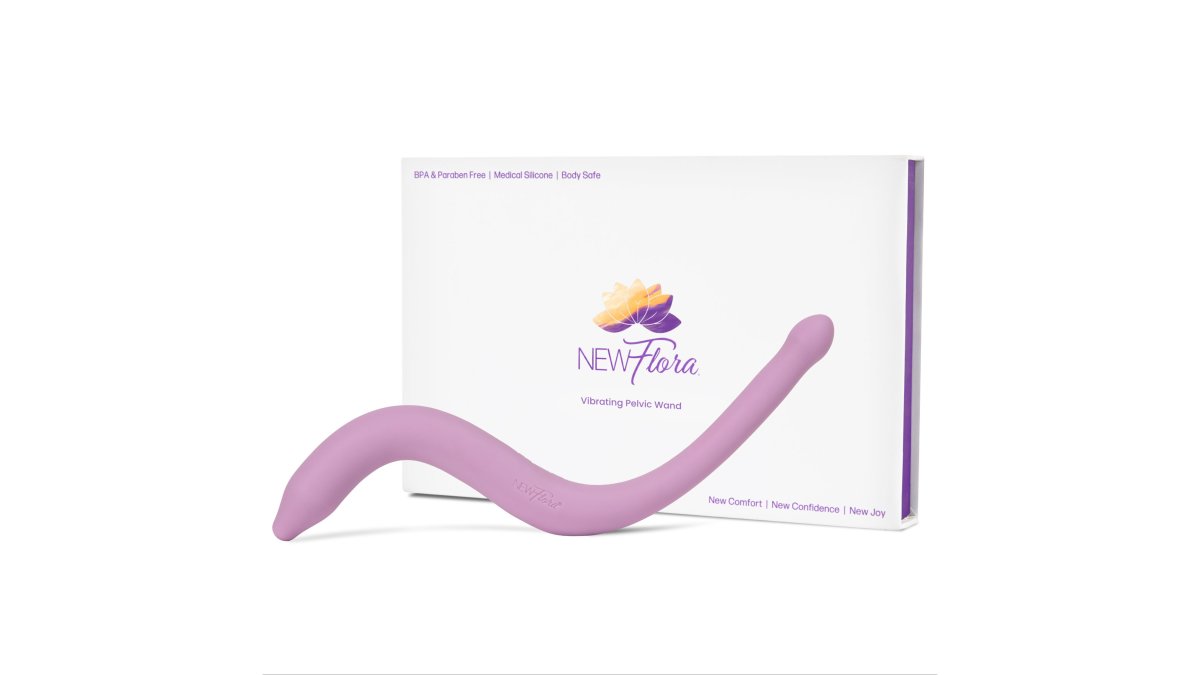
Vibrating Pelvic & Perineal Massage Wand →
Research on vibration therapy for pelvic floor dysfunction is still emerging, but evidence from related fields suggests pressure plus vibration produces measurable relaxation benefits.
How to Use Vaginal Dilators Safely at Home
Using vaginal dilators safely requires preparation, patience, and attention to comfort. The process is straightforward, but rushing or skipping steps often leads to pain and discouragement.

Before you begin, gather your supplies: your dilator set, water-based lubricant, a clean towel, and a comfortable private space. Set aside 15-20 minutes when you're not rushed or stressed. Your mental state affects muscle tension, so relaxation is part of the technique.
Starting with the Right Size and Lubricant
Begin with the smallest dilator in your set. Before insertion, apply generous amounts of water-based lubricant to both the dilator and your vaginal opening.
Position yourself comfortably, either lying on your back with knees bent or in a semi-reclined position. Breathe deeply and relax your pelvic floor muscles.
Gently insert the smallest dilator, allowing your body to accommodate it at its own pace. There's no rush.
Pacing Your Progress and Managing Discomfort
After using the smallest size comfortably for 2-3 weeks, move to the next size.
Mild pressure or stretching sensation is normal. Pain is not.
Progress timelines vary widely. Some people move through sizes in 6-8 weeks; others take 3-4 months.
Keep a simple log of your sessions: which size you used, how long you used it, and how you felt.
Safety, Contraindications, and When to Seek Professional Guidance
While pelvic floor therapy tools are generally safe, certain conditions warrant professional guidance before starting home treatment. Understanding contraindications and red flags prevents complications.
Active pelvic infections, untreated pelvic inflammatory disease, or recent pelvic surgery typically require clearance from your healthcare provider before using dilators or wands. These conditions create inflammation that can worsen with tool use. Your provider can tell you when it's safe to begin.
Who Should Avoid Home Therapy Tools
People with severe pelvic pain conditions like vulvodynia or lichen sclerosus should work with a pelvic floor physical therapist before starting home tool use.
Pregnant women should consult their OB/GYN before using dilators or wands. While these tools aren't inherently harmful during pregnancy, individual circumstances vary.
People recovering from pelvic radiation or cancer treatment should also seek professional guidance. Radiation changes tissue properties and can create scar tissue that requires specialized approaches.
Red Flags That Warrant Clinician Consultation
Increased pain after starting home therapy is a red flag. While mild discomfort during the initial learning phase is normal, worsening pain suggests you're progressing too quickly or using improper technique.
New symptoms like increased urinary urgency, bowel changes, or radiating pain warrant professional evaluation.
Inability to relax your pelvic floor muscles despite consistent effort over several weeks suggests you might benefit from professional guidance.
Home Devices Versus Supervised Pelvic Floor Physical Therapy
Home-based tools offer convenience and privacy, but they lack the personalized assessment and hands-on guidance that supervised physical therapy provides.
Home devices excel at consistency and accessibility. You can use them on your schedule, in your own space, without scheduling appointments.
Research from the National Association for Continence describes the range of evidence-based tools available for pelvic floor care, including muscle-training devices, dilators, and pessaries.
| Tool Type | Primary Use | Best For | Typical Timeline |
|---|---|---|---|
| Vaginal Dilators | Reducing pain, increasing capacity | Painful intercourse, vaginismus | 8-16 weeks |
| Kegel Devices | Muscle strengthening | Urinary incontinence | 12 weeks |
| Biofeedback Devices | Muscle training with feedback | Learning proper technique | 8-12 weeks |
| Pelvic Wands | Trigger-point release, tension relief | Pelvic pain, muscle tightness | Ongoing as needed |
| Pessaries | Continence support | Urinary incontinence | Ongoing as needed |
Evidence-based pelvic floor therapy tools work because they address specific dysfunctions with targeted interventions backed by research.
Frequently Asked Questions
What tools are used in pelvic floor physical therapy?
Pelvic floor therapy tools include vaginal dilators for progressive desensitization, pelvic wands for trigger-point release and muscle relaxation, Kegel exercise devices that provide real-time biofeedback, vaginal weights for muscle strengthening, continence pessaries for urinary incontinence support, and at-home biofeedback devices that help you monitor muscle contraction. Research supports combining muscle training with intravaginal devices to improve symptoms, particularly for stress urinary incontinence and pelvic pain conditions.
Do vaginal dilators help with painful intercourse?
Yes. A 2023 study published in PubMed Central reported that pelvic floor muscle training improved quality of life in women with urinary incontinence, particularly stress urinary incontinence. Research also favors combining dilator therapy with pelvic floor muscle training to address pain and muscle tension. Dilators work through gradual progression, starting with smaller sizes and advancing as comfort improves, which allows your pelvic floor muscles to adapt and relax over time. Results typically develop over weeks to months with consistent use.
How do pelvic floor biofeedback devices help with muscle training?
Biofeedback devices provide real-time feedback about your pelvic floor muscle contractions, helping you understand which muscles to engage and how strong your contractions are. This visual or auditory feedback improves exercise performance and muscle coordination by showing you immediately whether you're contracting correctly. This targeted awareness accelerates learning and helps prevent compensatory tension in surrounding muscles, making your training more effective than exercise without feedback.
Are pelvic floor therapy tools safe to use at home without a therapist?
Home tools can be safe when used correctly, but clinician guidance is important first. Start with a consultation with a pelvic floor physical therapist or gynecologist to confirm your diagnosis and receive instructions on proper use, sizing, and progression. Avoid use if you have active infection, severe pain, or recent pelvic surgery without medical clearance. Stop and seek professional advice if you experience increased pain, bleeding, or signs of infection. Many women benefit from a combination of home tools and periodic professional supervision.
What is the difference between vaginal dilators and pelvic wands?
Vaginal dilators are tube-shaped devices of graduated sizes designed for progressive desensitization and muscle adaptation, you insert them and hold or move them gently to help your pelvic floor relax and adjust to increasing sizes. Pelvic wands are massage tools with dual ends for vaginal or rectal use, designed to release trigger points and muscle tightness through targeted pressure and vibration. Dilators focus on gradual tissue adaptation; wands focus on muscle relaxation and pain relief through massage.
How long does it take to see results from pelvic floor therapy tools?
Timeline varies by condition and consistency. Many women report symptom improvement within 4-8 weeks of regular use, though some see changes sooner. Urinary incontinence improvement often appears within 2-3 months. Pelvic pain conditions may require 8-12 weeks or longer as muscles learn to relax and coordinate. Consistency matters more than speed, using tools 3-5 times per week typically yields better outcomes than sporadic use. Track your own symptoms to measure progress.


