


Table of Contents
- Understanding Pelvic Floor Sensitivity and Tension
- How to Relax Pelvic Floor Muscles: The Foundation
- Breathing Exercises for Pelvic Floor Relaxation
- Gentle Stretches for Pelvic Floor Pain Relief
- Pelvic Floor Physical Therapy for Pain: When to Seek Professional Support
- Pelvic Floor Release Techniques and Massage
- Using VuVa Magnetic Dilators for Gradual Pelvic Floor Relief
- Building Your At-Home Pelvic Wellness Routine
- References & Further Reading
- Frequently Asked Questions
Last Updated: October 19, 2026
Understanding Pelvic Floor Sensitivity and Tension
When I invented VuVa Magnetic Dilators, I wanted women to have another option for managing pelvic discomfort. Over the years, I've helped individuals find comfort and confidence by supporting relaxation and circulation through home-based wellness routines.
Your pelvic floor is a group of muscles that support your bladder, bowel, and reproductive organs. When these muscles become tight or tense, they can cause discomfort during intimacy, difficulty with tampon insertion, or a constant feeling of pressure.
The key difference between pelvic floor sensitivity and other types of pain is that it's often tied to muscle tension rather than inflammation or infection. Your muscles are essentially "guarding", staying contracted to protect against pain that may or may not still be present. This protective response can become a habit your body holds onto.
Understanding this distinction matters because it changes how you approach relief. You're not trying to strengthen weak muscles. You're learning to release muscles that are working too hard.
How to Relax Pelvic Floor Muscles: The Foundation
Relaxing your pelvic floor muscles is the foundation of gentle pelvic floor relief for sensitivity. This isn't something that happens overnight.
Starting with awareness and gentle self-touch
The first step is awareness. Many women have never consciously thought about their pelvic floor muscles. You can't relax what you don't notice.
Try this: sit comfortably and imagine you're stopping the flow of urine mid-stream. Feel that squeeze? Those are your pelvic floor muscles. Now release that squeeze completely. Let everything go soft.
Practice this awareness several times a day. No pressure. Just notice the sensation of tightening and releasing. This simple awareness practice trains your nervous system to recognize tension and consciously release it.
Gentle self-touch can help too. Using a clean finger with lubricant, you can gently massage the tissues around your pelvic opening. Apply light pressure and move slowly. This isn't deep massage, it's gentle, surface-level touch that signals to your body that this area is safe.
Many women find that pairing this with the pelvic massage wands available through VuVa can support their self-care routine. The Pelvic & Perineal Massage Wand is designed by a Doctor of Physical Therapy and lets you apply gentle, controlled pressure exactly where you need it.

Breathing Exercises for Pelvic Floor Relaxation
Your breath and your pelvic floor are deeply connected. When you hold your breath, your pelvic floor tightens. When you breathe deeply and slowly, your pelvic floor naturally relaxes.
Diaphragmatic breathing and pelvic floor coordination
Diaphragmatic breathing, breathing into your belly instead of your chest, is one of the most powerful tools for pelvic floor relaxation. Here's how to practice it:
Sit or lie down comfortably. Place one hand on your chest and one on your belly. Breathe in slowly through your nose for a count of four. Feel your belly expand as air fills your lungs. Your hand on your chest should barely move.
Hold for a count of four. Then exhale slowly through your mouth for a count of four. As you exhale, feel your belly soften and drop.
Repeat this cycle 10 times. Do this three times daily.
As you breathe this way, your pelvic floor naturally descends on the inhale and relaxes further on the exhale. You're not forcing anything. You're just breathing, and your pelvic floor responds.
Many women find that combining breathing exercises with gentle stretching creates a powerful relaxation response. The goal is to train your nervous system to associate deep breathing with safety and release.
Vibrating Pelvic & Perineal Massage Wand →
Gentle Stretches for Pelvic Floor Pain Relief
Gentle stretching addresses pelvic floor tension by lengthening the muscles that have become tight. These aren't aggressive stretches. They're slow, sustained positions that signal relaxation to your nervous system.
Safe stretching positions and mobility work
The Happy Baby pose is one of the gentlest stretches for pelvic floor relief. Lie on your back with your knees bent and feet flat on the floor.
Hold this position for 30-60 seconds while breathing deeply. You should feel a gentle stretch in your inner thighs and pelvic floor area. Never force your knees down. Let gravity do the work.
Another effective stretch is the Butterfly pose. Sit upright with the soles of your feet together and knees falling open to the sides. Gently lean forward from your hips, not from your spine.
Hold for 30-60 seconds. Breathe slowly and deeply. The key is gentleness. If you feel sharp pain, back off immediately.
Perform these stretches daily, ideally in the evening when your body is more relaxed. Consistency creates lasting change.
Pelvic Floor Physical Therapy for Pain: When to Seek Professional Support
Sometimes home-based approaches need professional guidance. Pelvic floor physical therapy is a specialized field, and a trained therapist can assess your specific situation and create a personalized plan.
Consider seeking professional support if you've been practicing gentle pelvic floor relief techniques for four to six weeks without improvement, or if your symptoms are significantly affecting your quality of life.
Research shows that supervised exercise and pelvic floor muscle training can ease current pelvic and genital pain in women with endometriosis, according to a 2026 study published in Frontiers in Sports and Active Living.
Your therapist can also help you distinguish between areas where you need relaxation versus areas where you might benefit from gentle strengthening. Not everyone with pelvic floor sensitivity needs the same approach.
Pelvic Floor Release Techniques and Massage
Beyond stretching and breathing, targeted release techniques can help ease tension in your pelvic floor muscles. These techniques work by applying gentle pressure to areas of tightness, signaling your nervous system that it's safe to let go.
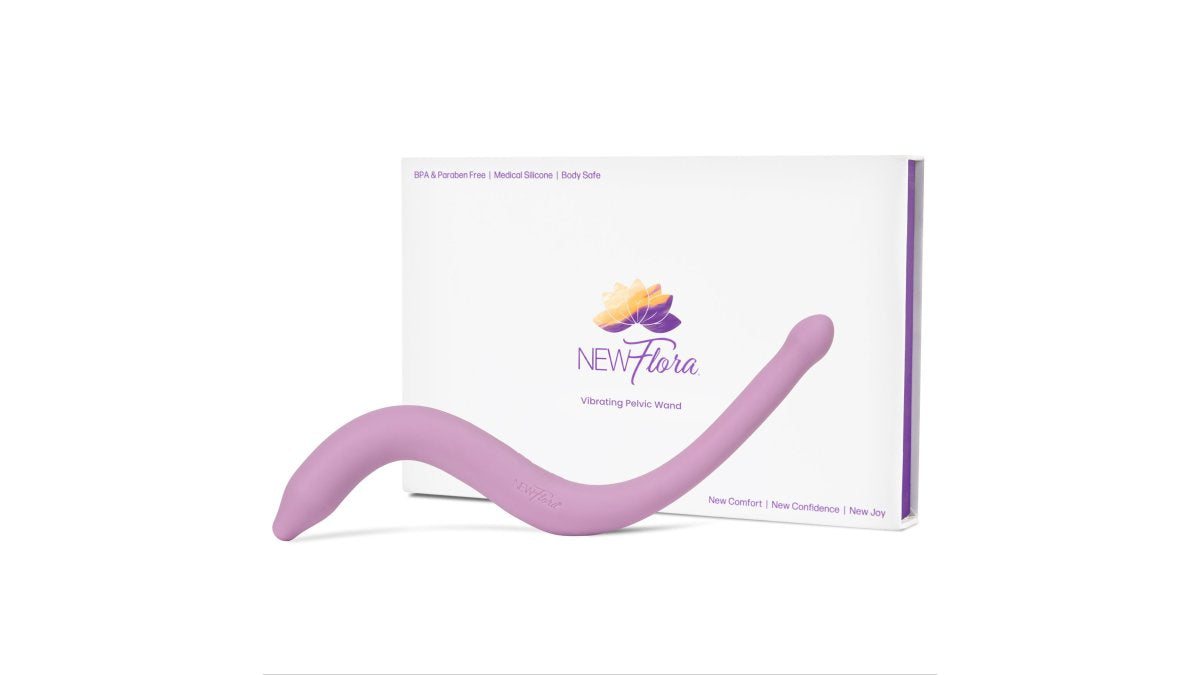
Myofascial release, gentle sustained pressure on tight muscles, can be done at home using tools like massage wands. The Vibrating Pelvic & Perineal Massage Wand offers both vibration and manual pressure options, giving you control over the intensity of your release work.

Start with the lowest vibration setting if using a vibrating tool. Apply gentle pressure to areas where you feel tightness. Move slowly and pause when you find tender spots. Hold pressure for 10-15 seconds, then release.
This type of release work is best done 2-3 times weekly, not daily. Your nervous system needs time to integrate the changes.
Trigger-point massage, applying sustained pressure to specific tight spots, can also help. Use your finger or a massage tool to find tender areas around your pelvic opening. Apply steady, gentle pressure for 30-60 seconds. Breathe deeply while you do this.
Using VuVa Magnetic Dilators for Gradual Pelvic Floor Relief
When I created VuVa Magnetic Dilators, I wanted to give women a tool that could support both relaxation and gradual stretching. The combination of gentle mechanical stretching with our patented neodymium magnet technology creates a distinctive approach to pelvic floor relief for sensitivity.
How magnetic dilators differ from traditional options
VuVa Magnetic Dilators feature permanently enclosed neodymium magnets throughout the device. This magnetic design is what sets them apart from conventional non-magnetic dilators. While both types support gradual stretching, VuVa's patented magnetic technology offers an additional dimension to your relief routine.
Conventional non-magnetic dilators provide mechanical stretching through graduated sizes. VuVa Magnetic Dilators do this too, but the integrated magnetic design means you're working with a tool specifically engineered with magnetic properties as a core feature.
The magnetic design is part of what makes VuVa different. I wanted women to have access to something that reflected my commitment to thoughtful design.
Vibrating Pelvic & Perineal Massage Wand →
Choosing the right size and set for your sensitivity level
Choosing your starting size is crucial. If you pick a size that's too large, you'll create tension instead of relief. Too small, and you won't experience the stretching benefit.
Most women with sensitivity start with our smallest size. This allows your pelvic floor to adjust gradually. As your muscles relax and your confidence grows, you progress to the next size.
When choosing your VuVa Magnetic Dilator set, consider:
- Your current comfort level, Can you insert a tampon without discomfort? Start with our smallest size. If even tampon insertion is difficult, begin with awareness and breathing work before introducing a dilator.
- Your goals, Are you working on relaxation, gradual stretching, or both? Our magnetic dilators support both, but understanding your primary goal helps you stay motivated.
- Your timeline, Pelvic floor relief for sensitivity is a gradual process.
- Your support system, Do you have access to a pelvic floor physical therapist? Professional guidance can accelerate your progress.
Explore our VuVa Magnetic Dilator Collection to find the set that matches your starting point. We offer graduated sets that grow with you as your pelvic floor relaxes and strengthens.
Building Your At-Home Pelvic Wellness Routine
Gentle pelvic floor relief for sensitivity works best when it becomes part of your daily routine. Consistency matters more than intensity.
Here's a simple framework you can follow:
- Morning (5 minutes): Practice diaphragmatic breathing. Sit comfortably and do 10 cycles of deep belly breathing.
- Midday (3 minutes): Pelvic floor awareness practice. Notice tension and consciously release it.
- Evening (15 minutes): Gentle stretching (Happy Baby and Butterfly poses), followed by light self-massage or massage wand use.
This routine takes about 23 minutes daily. Most women find that starting smaller and building up works better than trying to do everything at once.
Add your VuVa Magnetic Dilator practice 4-5 times weekly. Use it for 10-15 minutes at a time, focusing on relaxation rather than achievement.
Track your progress. Notice changes in your comfort level, your ability to relax, your confidence with intimacy. These shifts often happen gradually.
Remember: pelvic floor relief for sensitivity is a journey, not a destination. Your body is learning to trust again. Be patient with yourself.
If you're ready to explore how VuVa Magnetic Dilators can support your pelvic wellness routine, explore our magnetic dilator sets and find your starting size.
References & Further Reading
Pelvic Floor Dysfunction overview from NCBI StatPearls, Comprehensive clinical resource on pelvic floor anatomy and dysfunction
Johns Hopkins Medicine Pelvic Floor Therapy guidance, Professional clinical guidance on pelvic floor assessment and treatment
Frontiers in Sports and Active Living 2026 study on pelvic floor considerations in exercise, Recent research on supervised exercise and pelvic floor muscle training outcomes
Frequently Asked Questions
How can I tell if my pelvic floor is tight or if I have pelvic floor sensitivity?
Pelvic floor tension often shows up as discomfort during intimacy, difficulty with penetration, or a feeling of tightness in the pelvic region. Sensitivity may feel like sharp pain, burning, or rawness. Some women experience both. If you're unsure, a pelvic floor physical therapist can assess your muscle tone and help identify what's happening. Pain that's new or unexplained warrants evaluation by your gynecologist.
Can breathing exercises really help relax a tight pelvic floor?
Yes. Deep diaphragmatic breathing signals your nervous system to relax, which naturally eases pelvic floor muscle tension. When you breathe deeply, your diaphragm moves downward, creating space for your pelvic floor to release. This coordination between breath and pelvic floor relaxation is foundational to most pelvic floor recovery work. Practice this daily for best results.
Should I use dilators if pelvic floor exercises make my pain worse?
If traditional pelvic floor exercises increase your pain, stop and seek professional guidance. You may need relaxation-focused work instead of strengthening. A pelvic floor physical therapist can determine whether your pelvic floor needs to relax first. Gentle dilators used with proper breathing and relaxation techniques are different from strengthening exercises and may be appropriate for your situation.
What makes VuVa Magnetic Dilators different from regular dilators?
VuVa Magnetic Dilators feature our patented neodymium magnet technology, setting them apart from traditional non-magnetic dilators. Both types support gradual stretching, but VuVa's integrated magnetic design offers an additional feature. The magnets are permanently enclosed and designed to work alongside your relaxation and breathing routine as part of a complete at-home pelvic wellness approach.


