

Care

4 Ways to Treat Psychogenic Vaginismus (Pelvic Floor Myalgia)
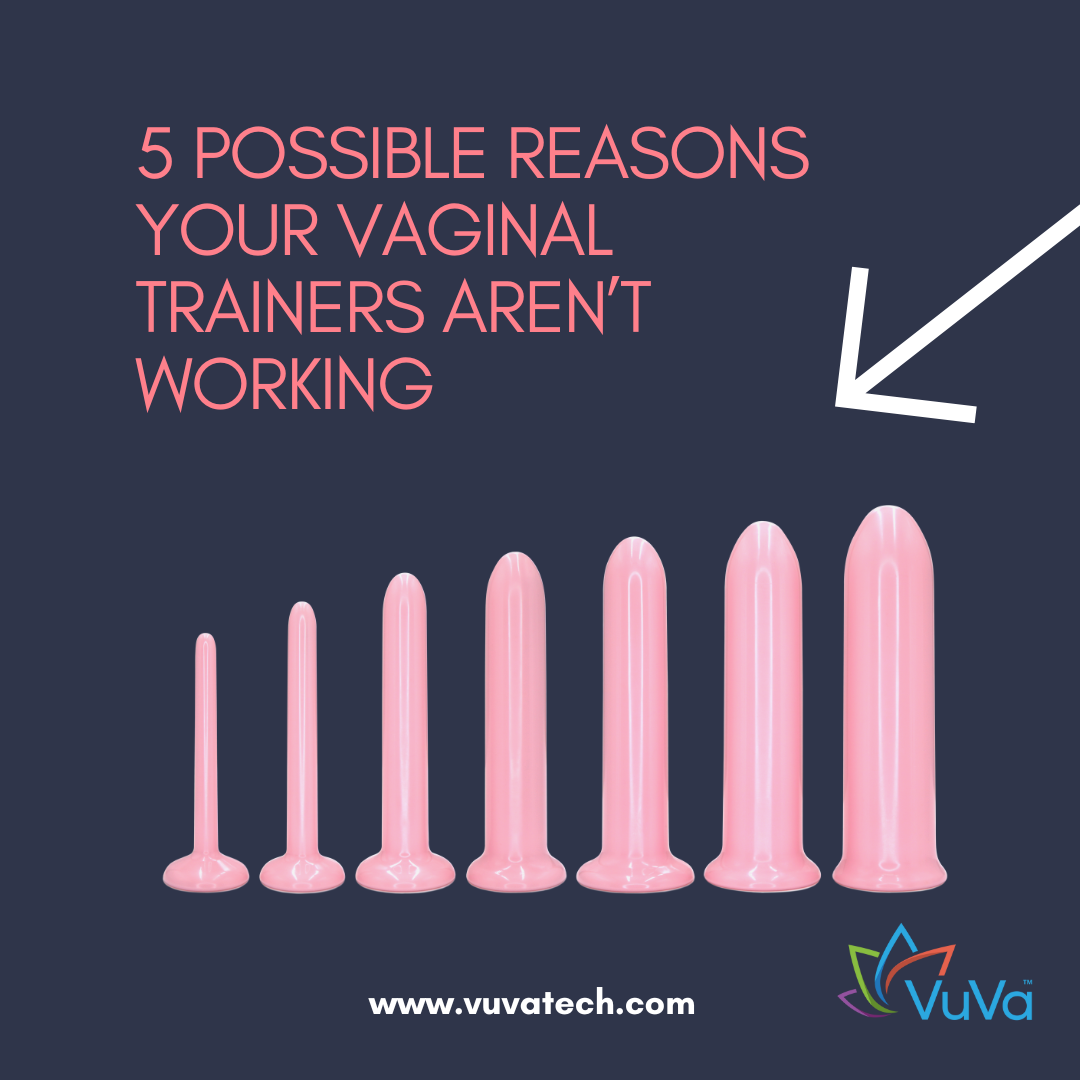
Pelvic floor myalgia (muscle soreness) is another name for vaginismus, one of the most common causes of sexual pain in women. Most Doctors consider vaginismus to be psychogenic in nature, meaning that it has a psychological origin. With psychogenic vaginismus, it is psychological issues around sex that create fear or anxiety, which in turn causes a physical reaction that seems to be beyond the woman’s control: pelvic floor myalgia. Pelvic floor myalgia describes the tightening and tension that develops in the pelvic floor region. Not all women are aware of tightness in their pelvic floor muscles until it causes pain. Psychogenic vaginismus will result in pain in the vaginal muscles because the muscles go into spasm and essentially ‘clamp shut’ when penetration is attempted. Any further attempts to penetrate are likely to worsen pelvic floor tension myalgia, regardless of whether the penetration is sexual in nature. What does pelvic floor myalgia feel like? This is actually just another way of asking, “What do sore pelvic floor muscles feel like?”, as the muscles in the vagina and surrounding areas react to tension in the same way as other muscles in the body. However, there is a slight difference if you have psychogenic vaginismus, because in response to a thought (or even a subconscious fear) your vaginal muscles may involuntarily contract and feel very difficult to release. Since the pelvic floor is trickier to reach than other muscle groups, pelvic floor muscle contractions can persist for an extended period, causing pain. The pain of pelvic floor myalgia may feel like: Burning Deep, dull aching Soreness (akin to inflammation) Because of the tension in the pelvic floor muscles, vaginismus can give the impression of a ‘blockage’ inside the vagina. This is particularly evident when penetration is attempted, which is often unsuccessful as the vagina is tightly closed. Even urination and defecation can be difficult if you have psychogenic vaginismus. What causes pelvic floor myalgia? Pelvic floor tension myalgia can occur for various reasons, including: As a secondary reaction to pain around the vaginal opening (vulvar vestibulitis syndrome or vestibulodynia) As a response to prolonged and consistent squeezing or clenching of the vaginal muscles (as per psychogenic vaginismus) A history of habitually holding onto urine or stools A history of urinating too much or pushing too hard when passing stools Injury to the pelvic floor muscles during surgery or childbirth Nerve damage in the pelvic region What is psychogenic vaginismus? There is a clue in the fact that vaginismus is listed in the Diagnostic and Statistical Manual of Mental Disorders (DSM), which is the American Psychological Association's manual of official psychiatric diagnoses. This certainly does not mean that women with psychogenic vaginismus have mental health problems in general: it simply means that they have a psychological issue around sex that is likely to need professional assistance. Vaginismus has more recently been classed as a genito-pelvic pain/penetration disorder (GPPPD), which is diagnosed according to the following symptoms: Vulvovaginal or pelvic pain when intercourse is attempted Vulvovaginal or pelvic pain after intercourse is finished Pain during sexual intercourse Pelvic floor muscles contractions or tightening at the thought of vaginal penetration Fear or anxiety about the pain you experience with penetration What causes psychogenic vaginismus? At some point, women who experience issues with penetration or soreness during sex might find themselves asking, Do I have vaginismus? It may help to learn about this issue, so that the link between the various causes becomes clear. For some, psychogenic vaginismus may happen immediately after the first attempt to penetrate the vagina, whether that is with a tampon, a speculum or a penis. For some women, vaginismus may occur after having normal intercourse in the past, developing into long-term sexual dysfunction (if not treated effectively). Common causes of psychogenic vaginismus are: Difficult or painful past sexual experiences A history (or experience of) sexual trauma, such as sexual abuse or rape A lack of trust and connection with a sexual partner An unsatisfying sexual relationship A physically or emotionally abusive partner Past experiences of painful or distressing pelvic examinations Feeling a loss of control or anticipation of pain around penetration Being afraid of getting pregnant How do you treat pelvic floor myalgia? The pelvic floor muscles are technically under your voluntary control, but with psychogenic vaginismus it certainly doesn’t feel like that. This is why physical and emotional rehabilitation is often required. Below are 3 of the best ways to treat vaginismus symptoms: Physical support from a pelvic floor physiotherapist Pelvic floor myalgia is treated through pelvic floor rehabilitation; a pelvic floor physical therapist is likely to use physical manipulation, biofeedback and dilator therapy to relax your vaginal muscles and get you used to the feeling of penetration. You can also use vaginal dilators alone at home, which your therapist (if you have one) will usually recommend. Psychological support from a sexual therapist Treating the psychogenic aspect of vaginismus requires an experienced sexual therapist to address the underlying cause; that is, your subconscious programs around the sexual experience. If you have gone through a lot of stress or abuse, and even if there is no longer any danger, the body may have developed conditioned responses to triggers around sex and penetration. Seeking an experienced sexual counsellor to help work though sexual issues and core beliefs may be necessary, if you are to fully treat psychogenic vaginismus. Learning to relax Women with vaginismus are often out of touch with their own bodies, because rejecting the sexual experience is to reject their own sexuality. It can really help to get back in touch with your own body, in your own space and when you have plenty of time to relax. This might feel alien at first, but you will get used to it. It is necessary to feel comfortable with your body if you are going to enjoy sex, or at the very least be able tolerate any kind of penetration. The point is to become familiar with your body, what it enjoys and dislikes, and what leads to relaxation. It might help to use personal massagers and water-based lubricants, especially if you are going to attempt penetration at any point during this exploration. Over time, when you are more familiar with your body and sexual preferences, you will be able to communicate this more easily to a partner. Using vaginal dilators Experts highly recommend using vaginal dilators for vaginismus. We also know from many dilator testimonials that lots of women have great success treating vaginismus with vaginal dilators. Dilators are a form of desensitization therapy in which a woman learns to slowly relax and accept penetration at her own pace. They can stretch the vaginal walls to expand capacity, and help the muscles to become accustomed to the feeling of penetration. At some point you will feel ready to attempt penetration through sex, or to have a health examination. Shop for VuVa Vaginal Dilators Dilators treat vaginismus by reducing or completely stopping the muscle spasms that prevent penetration and lead to myalgia. Over time, your pelvic floor will start to relax relaxing and you can even find that you start to enjoy sex – which is surely the goal! It’s important to remember to be patient with yourself, because recovery from vaginismus often doesn’t happen overnight. We recommend buying magnetic dilators in a range of sizes (from small to large) initially, because they contain Neodymium magnets which help to stimulate blood flow and soothe nerves, making the whole process easier for your body. You can work your way up through the sizes, from small to large, until you feel comfortable with the largest. Shop for VuVa Vaginal Dilators You may need to combine therapies, as mentioned above, and it may be a case of trial and error with different therapies (and therapists!) until you find the combination that works best for you. Don’t worry though - it is definitely possible to heal from psychogenic vaginismus – it happens all the time, and with time and effort, it will surely happen for you too. Resources Vuvatech.com/blogs/vuvagirlblog/dealing-with-vaginismus-psychologically Vuvatech.com/blogs/care/how-to-overcome-fear-of-physical-intimacy Vuvatech.com/blogs/vuvagirlblog/fear-of-penetration-why-you-have-it-and-what-to-do Vuvatech.com/blogs/vuvagirlblog/how-vaginismus-treatment-could-change-your-life Vuvatech.com/blogs/vuvagirlblog/pelvic-pain-is-sex-therapy-the-answer VuVa Helpful Links: How do Neodymium Vaginal Dilators work? 7 Reasons for a Tight Vagina and How to Loosen How to use Vaginal Dilators How to Relax Vaginal Muscles, Vaginismus & Sex Vaginal Stretching - Keeping in Shape with Dilators Do Dilators Really Work? Yes, and They can Improve Your Sex Life! Shop for VuVa Vaginal Dilators
Learn more
How Soon After Chemotherapy Can You Have Sex?
How soon can I have sex after chemotherapy? This tends to be an important question for women going through chemo, if they are in a romantic relationship. Given that there are many ways chemo can affect your sex life, the prospect can feel worrying. Cancer affects women of all ages, the types of cancer vary a lot, and we all have unique constitutions and lifestyles that can affect our healing rate. For these reasons there is no guarantee that it will be totally safe to have sex while having chemo, but the likelihood is that you can. In short, some women find that their sex life is unaffected by chemo, while others find that it is, but returns to normal afterwards. To help you decide how soon after chemo to have sex, we have answered the most common questions about sex and chemo in this article… Can I have sex during chemo? Let’s get straight to the point and address the burning question: can you have sex with cancer treatment? Rest assured that there is no medical reason to stop having sex during chemotherapy. For many, it is ok to have sex during cancer treatment, but there are some precautionary measures you may want to take, which we’ll address a little later in this article. Whether you choose to have sex while on chemotherapy is likely to depend on whether you’re experiencing any sexual side effects of chemo. The same applies to the type of cancer you are dealing with. For example, if you have cancer in pelvic areas, including the genitals, urinary tract or rectum, penetration may not be a good idea until it is fully healed. It would be wise to consult your Doctor on this. Is it better to have sex after chemo? Some women prefer to have sex after cancer treatment, and that is a perfectly understandable choice. Perhaps you don’t feel comfortable having intercourse while receiving treatment, or your Doctor has advised against it. Perhaps the chemo symptoms have made sex more difficult for you. Sex after chemotherapy might just be better because it doesn’t feel as risky, or because fewer symptoms mean more enjoyment. It makes sense that higher doses of chemotherapy are more likely to affect your sex life than lower doses. Still, chemo doesn’t usually impact your sex life for a long time. Your enjoyment (and usual performance!) should return to normal soon afterward. Having said that, for some women chemo treatment leads to physical changes that can affect the sexual experience. For example, it is possible that chemotherapy can induce ovarian failure and trigger the onset of atrophic vaginitis or vaginal stenosis, or exacerbate existing symptoms. If this does happen, know that there are lots of treatment options to restore your sexual enjoyment. Check out our article library for more information on these issues. Is it safe to have sex during chemo? As we mentioned above, it is usually safe to have sex during chemo, but there are some instances when it is not. For instance, it might be better to wait to have sex after chemo if you have any of the following: Low white blood cell count Low platelet count Thin or inflamed vaginal skin or tissues Any pain or discomfort during normal intercourse Some types of chemo can cause low white blood cell or platelet counts, which can lead to a higher risk of infection. Since chemo compromises the immune system, you are more likely to develop infections or catch something from someone else, and your body may not have its usual ability to heal as quickly. It is worth asking your Doctor whether you might have low counts. Does sex hurt after chemo? No, chemo doesn’t cause pain directly, but sometimes the physical issues caused by chemo or radiation (vaginal stenosis or atrophy) can lead to dyspareunia (painful sex). If this happens you should consult your Doctor about whether it is safe – or sensible – to have sex yet. Likewise, tears in the skin or bleeding can leave you open to infection, so if your skin down there is likely to become irritated or damaged from sex, it may be better to wait. How will chemo affect my sex life? Your Doctor may confirm that it’s fine to have sex during or after your chemo treatment, but realistically, you may not feel like it. Does chemo affect sexual desire? Again, not directly, but it can have symptoms that deflate your desire. For instance: Tiredness or physical exhaustion Mood swings and irritability (due to stress and worry) Feeling sick Pain in the pelvic region On top of this, it could be that other chemo symptoms affect your physical appearance, which in turn can make you feel self-conscious. This might make it harder to relax and enjoy sex. Such side effects may include: Hair loss Weight changes Scarring Changes in your skin condition Swelling (lymphedema) Surgical removal of body parts (such as breasts) How long after chemo will it take for your sex drive to come back? This is difficult to answer; it really depends on the reason for it disappearing. If it’s a psychological reason, you may need to work on coming to terms with changes, or waiting for your physical appearance to return to normal. Physical symptoms may need to subside before you are comfortable enough to want to have sex again. Sometimes you may just not feel up to it - and that is fine. It would help to communicate honestly with your partner over this, so that both of you understand each other throughout this period and there is no room for negative assumptions. It might be that your partner isn’t in the mood as often either, for any number of reasons. In this case it would help to extend compassion to your partner too. They may feel stressed, or worried about the impact the chemo could be having… which isn’t much of a turn-on! What can chemo do to your partner? It is a possibility that chemo drugs could be passed to your partner during intimate moments, through bodily fluids. It hasn’t been categorically proven, but it may be a risk. Therefore it is a good idea to protect your partner if you do have sex while on chemo drugs. To be on the safe side (by keeping bodily fluid exchange to a minimum), Doctors recommend using condoms during sexual activity, or a dental dam during oral sex, for between 48 and 72 hours after chemotherapy. How does chemo affect pregnancy? The National Cancer Institute published findings that indicate chemo can cause changes that might lead to birth defects in the first three months of pregnancy. Eggs and sperm could be affected, so it is important to use contraception if you do have sex during cancer treatment. Remember that if your treatment is for breast cancer, the birth control pill may not be suitable for you. Your Doctor will advise on this. Similarly, you wouldn’t want to become pregnant while having chemotherapy because the treatment could damage the developing child. The bottom line is this: how soon after chemo you should have sex is a very personal issue, for you only to decide on. However, provided you take the necessary precautions, in most instances it is safe – the real question is whether it is sensible or enjoyable! Listen to your body, don’t force yourself to do anything you don’t feel like doing, and be patient with yourself when you don’t. You will be able to have sex again soon enough, and it will have been worth the wait. Resources Ncbi.nlm.nih.gov/pmc/articles/PMC4493485/ Discussing safe sexual practices during cancer treatment: Pubmed.ncbi.nlm.nih.gov/25095299/ Vuvatech.com/blogs/vuvagirlblog/atrophic-vaginitis-is-a-reality-for-breast-cancer-survivors Vuvatech.com/blogs/vuvagirlblog/cervical-cancer-survival-and-your-sex-life Vuvatech.com/blogs/care/the-vaginal-side-effects-of-anal-radiation Vuvatech.com/blogs/vuvagirlblog/cervical-cancer-treatment-vaginal-dilators-can-help VuVa Helpful Links: How do Neodymium Vaginal Dilators work? 7 Reasons for a Tight Vagina and How to Loosen How to use Vaginal Dilators How to Relax Vaginal Muscles, Vaginismus & Sex Vaginal Stretching - Keeping in Shape with Dilators Do Dilators Really Work? Yes, and They can Improve Your Sex Life! Shop for VuVa Vaginal Dilators
Learn more
5 Treatment Options for Pelvic Inflammatory Disease
What is Pelvic inflammatory disease (PID) Pelvic inflammatory disease (PID) refers to a range of infections that can cause damage and dysfunction in the endometrium (womb lining), ovaries, fallopian tubes, and the membrane that lines the abdominal cavity (the peritoneum). The most common cause of PID is sexually transmitted infections; for instance, untreated chlamydia is responsible for around 15% of cases of PID. However it can also develop due to recurrent bouts of bacterial vaginosis (BV). Delayed diagnosis and treatment can lead to various complications, from chronic pelvic pain to damaged reproductive organs, infertility and ectopic pregnancy. Since PID is caused by an underlying infection, it is always necessary to treat this infection first and foremost, and as soon as possible. When the infection has already progressed to PID, other more invasive treatment methods may be required. The treatment options for pelvic inflammatory disease vary dependent on what stage the PID has reached. Diagnosing pelvic inflammatory disease When symptoms of PID do occur, they include: Abdominal pain Painful sex (dyspareunia) Pain when urinating Irregular periods Signs of infertility It is important to get an accurate PID diagnosis, but that isn’t always an easy task since there is no single test that can do so. Therefore your Doctor may conduct various examinations in order to come to a conclusion, including: Symptoms you are experiencing Medical history, including birth control, sexual history and STIs Your pelvic region, through a physical exam designed to pinpoint soreness or swelling Vaginal and cervical swabs may be required (to check for STIs) An ultrasound may be recommended Your blood or urine, through various tests Should it still be unclear whether you have pelvic inflammatory disease after this point, your Doctor may recommend a microsurgical procedure to view your pelvic organs or take tissue samples, such as a laparoscopy or endometrial biopsy. If you have not yet been diagnosed with PID, but you experience severe pain in your lower abdomen along with nausea or vomiting, and/or fever and unpleasant vaginal discharge, you should get to the emergency room immediately. Treatment options for pelvic inflammatory disease It is of vital importance that you seek treatment for PID as soon as you possibly can - if it is suspected, even before you get a positive STI test result. That’s because just three days of untreated PID can triple your risk of infertility and ectopic pregnancy. Pregnancy complications are common in women who have (or have had) PID, so it is crucial that you get treatment before getting pregnant. If scarring or damage to the reproductive tract occur it may be difficult, if not impossible, to successfully treat this later. Untreated PID has also been linked to an increased risk of ovarian cancer (especially for Asian women). Treatment options for pelvic inflammatory disease depend on the stage the condition has reached, so we will address treatment according to that factor: Treating the underlying infection with antibiotics When treating the infection behind your PID, most of the time you will be offered antibiotics, or a combination of antibiotics. Once test results confirm a specific infection, your Doctor might offer you something more specific to that infection. If it happens that you have acute PID, or the antibiotics you’ve taken haven’t worked as well as they needed to, you may need to attend hospital for intravenous antibiotics. Please note that the antibiotics given to treat PID won’t do anything to treat the internal damage PID has caused, although they may be able to prevent further damage from occurring. Although drugs including antibiotics and hormones are often used to treat of PID, they can bring about a range of adverse effects (for example, antimicrobial resistance and a limited effective duration of hormones). Treating PID or underlying infections naturally If you are concerned about taking antibiotics, there are natural remedies available to treat PID and its underlying infections, such as Chinese medicinal herbs. A study published in the International Journal of Medical Sciences concluded that medicinal herbs Cortex Phellodendri and Humulus japonicus reduced various inflammatory aspects of PID but with no adverse clinical signs. Treating PID-related pelvic pain Even after your PID treatment is complete, it is possible to experience pelvic pain due to adhesions and scar tissue. Chronic pain treatments may include various painkillers, pelvic floor physical therapy, acupuncture, TENS (transcutaneous electrical nerve stimulation), or trigger point injections. In serious instances, surgery may be needed to remove the adhesions, but even this is not guaranteed to bring permanent pain relief. Treatment of PID related infertility PID can lead to infertility due to blockages in your fallopian tubes. When only one tube is blocked, you still may be able to conceive naturally. However if both are blocked or you have thick adhesions between the fallopian tubes and ovaries, it might be necessary to seek IVF treatment. When IVF is combined with embryo transfer (ET), your chance of success is heightened. Treatment for blocked tubes, abscesses or adhesions Surgery may be required if both fallopian tubes are blocked, one or more dilates and fills with fluid (hydrosalpinx), or you have an abscess on a fallopian tube or ovary. If only one tube is removed, your chances of conceiving may rise. Fortunately, many PID-related issues can be treated with microsurgery rather than traditional laparotomy. Microsurgery (such as laparoscopy) is less invasive but still has good success rates, especially with reconstructive infertility operations. The bottom line is that PID and the infections that cause it should be treated as early as possible so that it does not cause further complications or pain conditions later in life. We hope you found this article informative; if so, please check out the VuvaCare blog for advice on all kinds of sexual health issues. Resources Aafp.org/afp/2019/0915/p357.html Pubmed.ncbi.nlm.nih.gov/28342087/ Pubmed.ncbi.nlm.nih.gov/6227744/ Ncbi.nlm.nih.gov/pmc/articles/PMC5562126/
Learn more
Is Vulvodynia an Autoimmune Disease?
Vulvodynia is the name for chronic vulvar pain with no identifiable cause. Since it is incredibly difficult to pinpoint the cause, a lot of tests may be necessary to diagnose vulvodynia in the first place and eliminate other possible causes of vulvar pain. Because of the lack of definitive causal factors, in the past there has been lots of speculation that it could be an autoimmune disease. The straight answer is that no, vulvodynia is not an autoimmune disease. However, it has been linked to other autoimmune disorders, in that certain autoimmune diseases render you more likely to develop vulvodynia or vulvar vestibulitis syndrome. VVS is also called vestibulodynia or vulvar vestibulitis, and it is basically vulvodynia, just localized to the vulvar vestibule. As you are no doubt well aware, vulvodynia is a pain condition, so if it has not yet been diagnosed, your Doctor will need to carefully assess you to eliminate any other possible causes of your vulvar pain. If vulvodynia is not an autoimmune disease, what is it? Many physicians have conceptualized that vulvodynia is a type of neuropathic pain, which means that nerve fibres in the vulva are behaving like pain fibres; thus they interpret even the lightest touch or pressure as pain. Since neuropathic pain often results in burning or stinging sensations, it is quite possible that vulvodynia is the result of neuropathic dysfunction. Vulvodynia could be caused by one of three types of neuropathic pain: Allodynia: Painful responses to a stimulus should not normally be painful Hyperalgesiadescribes: Exaggerated pain reactions to a stimulus that normally would cause some degree of pain Dysesthesia: Perception of abnormally uncomfortable sensations despite stimulus not being noxious Vulvodynia sufferers can experience all three of the above, but pain specialists generally consider it to be allodynia. Autoimmune diseases are linked to vulvodynia For instance, Sjögren’s Syndrome is an autoimmune disease that causes excessive dryness in the body, and the vulvar area is also affected by it. It goes without saying that this could cause serious discomfort during intercourse, which could be mistaken for vulvodynia. However, as mentioned, if you have Sjögren’s Syndrome you may have developed vulvodynia too. Sjögren’s Syndrome can also increase in the likelihood of developing bacterial or fungal infections in the vagina, which can also cause irritation, inflammation and pain. However, if you eliminate these infections you are likely to get rid of the pain. With vulvodynia, the pain would be more likely to persist. Women with Sjögren’s are also more likely to develop urinary tract infections (UTIs), which can lead to pain when urinating. If you have this problem, you should have your Doctor check whether the cause is bacteria or Interstitial Cystitis (IC). Other autoimmune diseases thought to make women more susceptible to vulvodynia or vulvar vestibulitis are another pain condition known as fibromyalgia, and systemic lupus erythematosus. If you have been diagnosed with any of these autoimmune diseases, you should disclose this to your healthcare specialist. You should also note that it is important to find a Doctor who is familiar with treating vulvodynia, since not all understand the condition well and treatment is likely to be unsuccessful. So in a nutshell, no, vulvodynia is not an autoimmune disease… but whatever the cause of your vulvodynia, if you’re looking for treatment, you’ve come to the right place. VuvaTech has a wealth of information on treating vulvodynia, and we’re happy to answer any questions you may have about which products could help you. Other VuVa Helpful Links: 7 Reasons for a Tight Vagina and How to Loosen How to use Vaginal Dilators How to Relax Vaginal Muscles, Vaginismus & Sex Vaginal Stretching - Keeping in Shape with Dilators Do Dilators Really Work? Yes, and They can Improve Your Sex Life! Shop for VuVa Vaginal Dilators
Learn more
Can vulvodynia pain go away on its own?
Vulvodynia is awful There are no two ways about it! This painful condition leaves women feeling awful for various reasons; physically, it causes discomfort sometimes even just sitting or walking, and it can certainly disrupt your sex life since even touch is often painful. Vulvodynia pain occurs in and around the vulva, hence the condition is inconvenient, uncomfortable and worrying… we know. Vulvodynia is characterized by symptoms such as throbbing, burning, stinging or aching pains in the vulva region. It may also cause feelings of rawness, soreness and irritation, and in some instances there actually signs of swelling or inflammation – though that is rare. The thing about vulvodynia is that attributing a cause is difficult if not impossible. Experts think that it could be due to damaged nerve endings in the urethra and vaginal areas, resulting in hypersensitivity. Another possibility is repeated bouts of thrush or similar infections. Can vulvodynia go away? No doubt that’s a familiar question. The answer may not be a straight one, but it can be a positive one. Vulvodynia pain manifests in different ways Vulvodynia doesn’t feel the same for every woman. Since it seems to be nerve-related, feelings of extreme sensitivity and sharp, stinging or burning pains are common… but where exactly the vulvodynia pain manifests can vary. There is more than one type of vulvodynia, and the pain feels different depending on the type you have: Generalized vulvodynia Generalized vulvodynia causes pain in different areas of the vulva, and it can fluctuate. You may not feel vulvodynia pain consistently in one place; instead it can move from spot to spot, quite unpredictably and intermittently. It may seem to flare up out of nowhere. For some, touch might set it off, and for others it might not. One commonality is that the pain tends to worsen when pressure is applied. Localized vulvodynia If you have the localized type, your vulvodynia pain will manifest in one specific place around the vulva. The pain (or the typical variants of it) feels just the same as type 1, so touch or pressure of any kind can trigger it – even sitting down for too long might. Provoked vestibulodynia Then there is a related condition, provoked vestibulodynia. Its symptoms are pretty much identical to vulvodynia pain, and may affect women of all ages. However, it is most common in younger women who experience painful sex (dyspareunia); they often can’t manage to have penetrative sex at all. Vulvodynia symptoms can come on seemingly out of nowhere, which can be quite alarming. Unfortunately, vulvodynia pain can go on for many months at a time, and for some women it goes on for years. The good news is that vulvodynia can and often does go away by itself, so it’s unlikely that you will have to deal with vulvodynia pain for your whole life. If your vulvodynia is sticking around, there are treatments that can help manage the symptoms. Lubrications and topical medications are popular, and sometimes a course of pelvic floor physical therapy can help, since it encourages your pelvic floor muscles to relax. In severe and persistent cases, a Doctor might recommend a surgical procedure to remove the painful area. This is unusual, so there’s no need to worry about it. Finally, bear in mind that not every Doctor understands vulvodynia pain, so if anyone tells you it’s all in your head make sure you check in with a gynecological specialist instead! Other VuVa Helpful Links: 7 Reasons for a Tight Vagina and How to Loosen How to use Vaginal Dilators How to Relax Vaginal Muscles, Vaginismus & Sex Vaginal Stretching - Keeping in Shape with Dilators Do Dilators Really Work? Yes, and They can Improve Your Sex Life! Shop for VuVa Vaginal Dilators
Learn more
How Do I Relax My Kegel Muscles? 4 Surprising Solutions
We recently wrote an article about tight pelvic floor muscles, which is a problem affecting women of all ages, and for various reasons. You may have come across the words ‘kegel muscles’ and ‘pelvic floor muscles’ but they’re actually the same thing. So when you hear about kegel exercises, that’s the muscle group it relates to. You might even hear the exercises referred to as ‘doing a kegel’, as the need for these exercises are so common! So, do you need to relax your kegel muscles? You may be unsure if tight kegel muscles are your problem. Well, you’ll be able to tell when you have tight kegel muscles as you will probably feel some kind of pain in the pelvic area, in the form of constriction or spasms in the muscles. Some women find that they struggle to pee, or need to go constantly but can’t get the flow going. Others feel that they haven’t been able to empty their bladder fully, and others get constipation. Dyspareunia (painful sex) is another problem that can result from having tight kegel muscles. We’re sure you’ll want rid of these symptoms as soon as possible, so let’s take a look at what you can do to relax your kegel muscles. Ways to relax your kegel muscles As always, prevention is better than cure. If you’re well past the stage of prevention, you’ll need to loosen the kegel muscles up and then continue with the same practices in order to prevent any reoccurrences. Be careful not to strain Whenever you’re using the toilet and struggling to go, there may be a tendency to want to push. This isn’t a good idea as it only encourages the kegel muscles to tighten up more. Pushing and straining to pass stools or urine is simply going to worsen the problem, and perhaps lead to other unpleasant side effects (such as painful fissures). Constipation medicine or even natural constipation remedies like prune juice would be a better option. Take warm baths once a day or more Good old heat is an effective solution for many problems, and especially for tight and sore muscles. When you have chronically tight pelvic floor muscles (also known as a hypertonic pelvic floor), taking a warm bath once or twice a day will encourage the muscles to relax. Sort out your posture It’s time to start paying attention to your posture. How you are sitting and walking could be part of the reason you’re unable to relax your kegel muscles. By sitting up straight with your back against a chair back and your feet placed firmly on the floor, you take pressure away from the pelvic organs and bladder and give your kegel muscles less work to do. When you walk, notice if you are carrying tension in your lower back, as this is another sign of (or cause of) a tight pelvic floor. Make sure you’re walking with proper posture at all times and your pelvic floor will thank you for it! Take time out to de-stress Even though we tend to overlook the pelvic floor as a stress carrier, we actually carry a whole lot of our stress in this area. The moment we become anxious, worried or angry, the kegel muscles are going to tense up. Although the results may not be instantaneous, over time you may find you have developed a hypertonic pelvic floor. Take a few minutes each day to meditate, practice gratitude for all the things you love (rather than focusing on what you don’t); give yourself an hour each day (or however long you can spare) just for you, and watch where your thoughts are going – try to catch them before they go into a negative spiral. Mindfulness has many benefits, one of which is relaxed kegel muscles! Ask a practitioner for help If you are really can’t relax your kegel muscles on your own, you may need to see a Doctor or pelvic floor physical therapist. Your Doctor might decide to give you a local muscle relaxant in the form of a compounded vaginal or rectal diazepam. However, a pelvic floor physical therapist can offer longer-term solutions. The bottom line is that if you really want to relax your kegel muscles, where there’s a will, there’s a way! Just because you can’t see them doesn’t mean you can’t train them. You might also be interested in our other article on this topic, in which we talked about how you can relax your pelvic floor muscles using deep breathing exercises and yoga-style muscle stretches, so don’t forget to try those out too! Other VuVa Helpful Links: 7 Reasons for a Tight Vagina and How to Loosen How to use Vaginal Dilators How to Relax Vaginal Muscles, Vaginismus & Sex Vaginal Stretching - Keeping in Shape with Dilators Do Dilators Really Work? Yes, and They can Improve Your Sex Life! Shop for VuVa Vaginal Dilators
Learn more
Postpartum Dyspareunia: What is it and how do you fix it?
Postpartum dyspareunia is the term for painful sex after childbirth. We all know that childbirth is no walk in the park, but it doesn’t seem that painful sex after childbirth is given much consideration. Obviously the idea wouldn’t stop you from becoming a mother, but it might surprise you to know that between 50 and 60% of new mothers report postpartum dyspareunia at around six or seven weeks after the birth. Another 30% develop it as late as six months afterwards. You might think that having a cesarean section would put paid to that possibility, but statistics indicate that it doesn’t make any difference. In other words, painful sex after childbirth can happen to women regardless of the way their baby was delivered. The term dyspareunia refers to pain during (or after) intercourse, pain on penetration, or at orgasm. Why don’t more women known about postpartum dyspareunia? Statistics are obviously being collected but lots more women don’t report the problem to their doctors, perhaps hoping that the problem will fade with time. Doctors don’t always highlight the potential issue to moms-to-be either, preferring to focus on birth control, healing and timelines for reintroducing intercourse. It may be because of this initial omission that women don’t think to report it when it does happen to them. Another reason might be that postpartum dyspareunia doesn’t always kick in until after the scheduled check up with the Doctor has passed. Some women are shy about reporting any kind of sexual issues at all, which could account for inaccurate statistics in all areas of female sexual health. What are the symptoms of Postpartum Dyspareunia? Painful sex after childbirth can be one challenge in a list of many for new moms. The pain of postpartum dyspareunia has the same symptoms of dyspareunia. Symptoms are likely to include one or more of the following: Pain at penetration (sometimes, or every time) Pain when inserting a tampon Deep pain during thrusting Burning, throbbing or aching pain Pain that lasts for hours after intercourse New pain even when sex didn’t hurt previously However, after giving birth women are likely to experience other postpartum symptoms that may contribute to or cause their dyspareunia, such as: Vaginal dryness Vaginal tightness or looseness Bleeding or irritation during or after sex Loss of libido Weakened or tight pelvic floor muscles (tightness can be an over-compensation for weakness through pregnancy, cesarean section or tearing) Fatigue and stress It can take some time for estrogen levels and libido to return to normal, which often means they don’t feel like having sex at the best of times. If sex hurts when they do, this can create a negative cycle of avoidance. What can you do to treat postpartum dyspareunia? Fortunately it is often easier to treat postpartum dyspareunia than painful sex from other causes. Firstly, it although we wouldn’t encourage you not to breastfeed as it is good for your baby, it’s worth noting that breastfeeding can still reduce your estrogen levels. So it helps to be aware that while breastfeeding, your chances of having postpartum dyspareunia may be higher. According to a study by the NCBI called "Risk Factors for Dyspareunia After First Childbirth", there were 2,911 women who participated in the 6 months postpartum interview, representing 96.8% of the original study group. Among these women, 2,748 (94.4%) reported that they had resumed sexual relations by the time of the 6 month interview. If you are suffering with postpartum dyspareunia, it is important to check in with your Doctor or gynecologist. You can also try pelvic floor strengthening exercises if you are experiencing tightness, or pelvic floor stretches if the problem is weakness. If dryness is the issue, you may be prescribed an estrogen cream, or you could try a personal lubricant. If you are having muscular issues, you could make an appointment for pelvic floor physical therapy, which you may be referred to anyway if painful sex becomes a big problem or your Doctor doesn’t have a solution. Last but by no means least, many women successfully overcome dyspareunia by using vaginal dilators. Ultimately it should not take too long to overcome postpartum dyspareunia, although you may need a little help through healthcare providers and useful products. VuVa Helpful Links: 7 Reasons for a Tight Vagina and How to Loosen How to use Vaginal Dilators How to Relax Vaginal Muscles, Vaginismus & Sex Vaginal Stretching - Keeping in Shape with Dilators Do Dilators Really Work? Yes, and They can Improve Your Sex Life! Shop for VuVa Vaginal Dilators
Learn more
Are Kegel Exercises Good For Vaginismus?
Vaginismus is a testing condition to say the least. Fear of penetration is the cause of the physical symptoms associated with vaginismus, but it’s not something you can simply rationalize away. When any attempt at penetration is made (whether for sexual or medical reasons), women with vaginismus find that their vaginal muscles involuntarily contract and spasm, making penetration difficult or impossible. To make matters worse, muscular tension can build up over time, causing problems in the pelvic floor. As a result lots of women wonder whether kegel exercises are good for vaginismus. We understand why this might sound like a good idea, but the reality is that it’s counterintuitive; doing kegel exercises for vaginismus is a bad idea. In this article we will explain why this is, and what you should be doing instead if you wish to ease vaginismus symptoms. Why aren’t kegel exercises good for vaginismus? The main reason that kegel exercises for vaginismus don’t work is this: kegel exercises aim to strengthen the pelvic floor muscles, so they are based on tensing and releasing the muscles in order to fortify them. However, if you have vaginismus your pelvic floor muscles are likely to be carrying a lot of tension and tightness anyway. They will be squeezing and releasing as if you were already doing overzealous kegel exercises. So if you then start to constrict them on purpose, you are likely to create even more tension, consequently either causing or exacerbating pelvic floor problems. So if you have been diagnosed with vaginismus, before you attempt any kind of muscular therapy at home it is worth assessing yourself for signs of tight pelvic floor muscles (also known as a hypertonic pelvic floor). Here is an overview of the main ones to look out for: Muscle spasms and contractions in the pelvic area Difficulty in urinating properly or emptying the bladder Feelings of urgency (and frequency of need) – either bladder or bowel Pain when urinating or passing stools Constipation or straining Lower back pain or tightness in the muscles around the hips, glutes, groin, abdomen, genitals or rectum We wrote a full article on the symptoms of tight pelvic floor muscles if you would like to know more. Which exercises are good for vaginismus? So now we’ve addressed the question of whether kegel exercises are good for vaginismus, we’ll move on to the exercises that do actually help. The exercises that help vaginismus are called pelvic floor stretches. Some people mix up kegel exercises with pelvic floor stretches, but there are some important differences. Pelvic floor stretches require the movement and stretching of various body parts, and they are very similar to yoga poses - they actually originate from yoga. Kegel exercises mainly just require tensing and releasing muscles at will. As we have already written plenty on pelvic floor stretches, rather than list them all again here, let us direct you to another of our articles on how to relax your pelvic floor muscles. We also have a section on the site dedicated to pelvic floor stretches, and this outlines each move in detail along with images… so you can’t go wrong. You can try pelvic floor stretches for vaginismus at home, but don’t be disheartened if you find you need to do more to ease your symptoms. Vaginismus is a complex condition so sometimes it requires a combination of therapies and home treatments to overcome it. The two main options are pelvic floor physical therapy (which includes pelvic floor exercises that are good for vaginismus), and using vaginal dilators in your own time and at your own pace. Both of these have worked wonders for women with vaginismus… it is in fact the reason that our company was started in the first place, so rest assured that this site exists to help you with exactly the advice and products you need to beat this challenging condition. VuVa Helpful Links: 7 Reasons for a Tight Vagina and How to Loosen How to use Vaginal Dilators How to Relax Vaginal Muscles, Vaginismus & Sex Vaginal Stretching - Keeping in Shape with Dilators Do Dilators Really Work? Yes, and They can Improve Your Sex Life! Shop for VuVa Vaginal Dilators
Learn more
How Can I Relax My Pelvic Muscles?
A tight pelvic floor (otherwise known as a hypertonic pelvic floor) is a very real problem afflicting modern women for a myriad reasons. There are a number of symptoms of a tight pelvic floor. For instance, you may find that you’ve got persistent pain in the pelvic area or coccyx, you need to pee urgently and frequently, your urine doesn’t flow steadily, you’re constipated often or sex is painful. You might also find that you have tightness in the hips, buttocks, thighs, hamstrings or abdominal muscles. If any of these things are happening to you, you might be asking yourself the question, how can I relax my pelvic muscles? VuvaTech have a lot of experience with this problem, so we’re here to help. We want to point out that you should be careful not to confuse pelvic floor stretches with pelvic floor strengthening exercises (kegel exercises). The latter will tighten the pelvic muscles further, which is the last thing you want. Below we’ll answer two of the most common questions we’re asked about relaxing pelvic muscles: How can I relax my pelvic muscles? Do some pelvic floor stretches One of the best ways to relax your pelvic muscles is through pelvic floor stretches. Any yogi will tell you that these offer lots of relief… so you won’t be surprised to hear that most of the stretches are adapted from yoga postures. They will help you to release tightness from your abdomen, thighs and buttocks, and of course your internal pelvic muscles. Below is a quick summary of our favorite stretching exercises for the pelvic floor. If you’re not familiar with the poses, you can find full details with accompanying images in our section on pelvic floor muscle stretches. Child’s pose (opens the hips and stretches the abdomen) Cobra pose (stretches out the abdominal muscles) Garland pose (a hip opening squat) Happy baby (another hip opener) Bound angle pose (a stretch for the hips, thighs and perineum) Half Lord of the Fishes pose (stretches the buttocks, outer thighs and lower back) Remember that these poses are supposed to be relaxing so if you’re in pain at all, ease off and don’t push yourself too far. If you’re not used to stretching the pelvic floor and surrounding muscles it may feel more challenging until you have practiced more. However, doing these stretches once a day will surely help you to relax your pelvic muscles. Try some abdominal breathing Another great way to relax your pelvic muscles is through abdominal breathing. It’s a bit of a mind over matter thing, as you’re going to breathing deeply while focusing on releasing muscular constriction. Here are some abdominal breathing tips to relax your pelvic floor: Lie down on your back and bend your knees (feet flat on the floor). Place a hand on the chest, and one on your abdominal area. While taking a long, deep breath in for around 3 seconds, allow the abdomen to rise to full capacity while visualizing your breath moving downward and your tight muscles releasing tension. Breathe out for the same amount of time, allowing the air to release from the ribs and then the pelvic floor. Aim for circular breathing (i.e. when your lungs are empty breath in immediately). We recommend doing this exercise for five minutes each day to relax your pelvic muscles consistently. Help! I can’t relax my pelvic muscles… If you are doing the above exercises but having no luck, it might be time to check in with your Doctor to see if there are any underlying issues you’re not aware of. It is also worth considering pelvic floor physical therapy, which is one of the best therapies for releasing tight pelvic muscles. Finally, be aware of any detrimental habits you may have that are contributing to a tight pelvic floor. For example, if you’re doing heavy weights in the gym, jogging or running too much, or sitting around for several hours a day, you could find that your pelvic muscles are carrying tension. Posture may be another problem, so be careful to observe how you carry your body day to day. Thanks for reading, and we wish you the best of luck in releasing that troublesome tension! VuVa Helpful Links: 7 Reasons for a Tight Vagina and How to Loosen How to use Vaginal Dilators How to Relax Vaginal Muscles, Vaginismus & Sex Vaginal Stretching - Keeping in Shape with Dilators Do Dilators Really Work? Yes, and They can Improve Your Sex Life! Shop for VuVa Vaginal Dilators
Learn more
Made in the USA
We create safe, effective products that truly work — designed to help you relax, restore balance, and feel good in your body again. Our VuVa® Pelvic Floor Support Sets gently calm nerves, ease tension, and support natural pelvic healing from the inside out.


