


If you feel "too tight" for sex, you are likely stuck in a cycle of frustration. You want to be intimate with your partner, but the moment things progress, your body hits a "brick wall." You might experience a sharp stinging at the opening or a deep ache that makes you want to stop immediately.
First, let’s clear up a huge myth: Your vagina is not "too small." The vaginal canal is made of highly elastic muscle designed to expand. When it feels "tight," what you are actually feeling is Pelvic Floor Guarding. Your muscles are clenching shut—usually involuntarily—to protect you from perceived pain.
If you want to know how to have sex when you feel this way, the answer isn't "just relax" or "push through it." The answer is a strategy I call "The Soft Entry Approach."
Step 1: The "Pre-Game" (15 Minutes Before)
You wouldn’t run a marathon without stretching, and you shouldn’t attempt penetration if your muscles are already in a state of high tension.
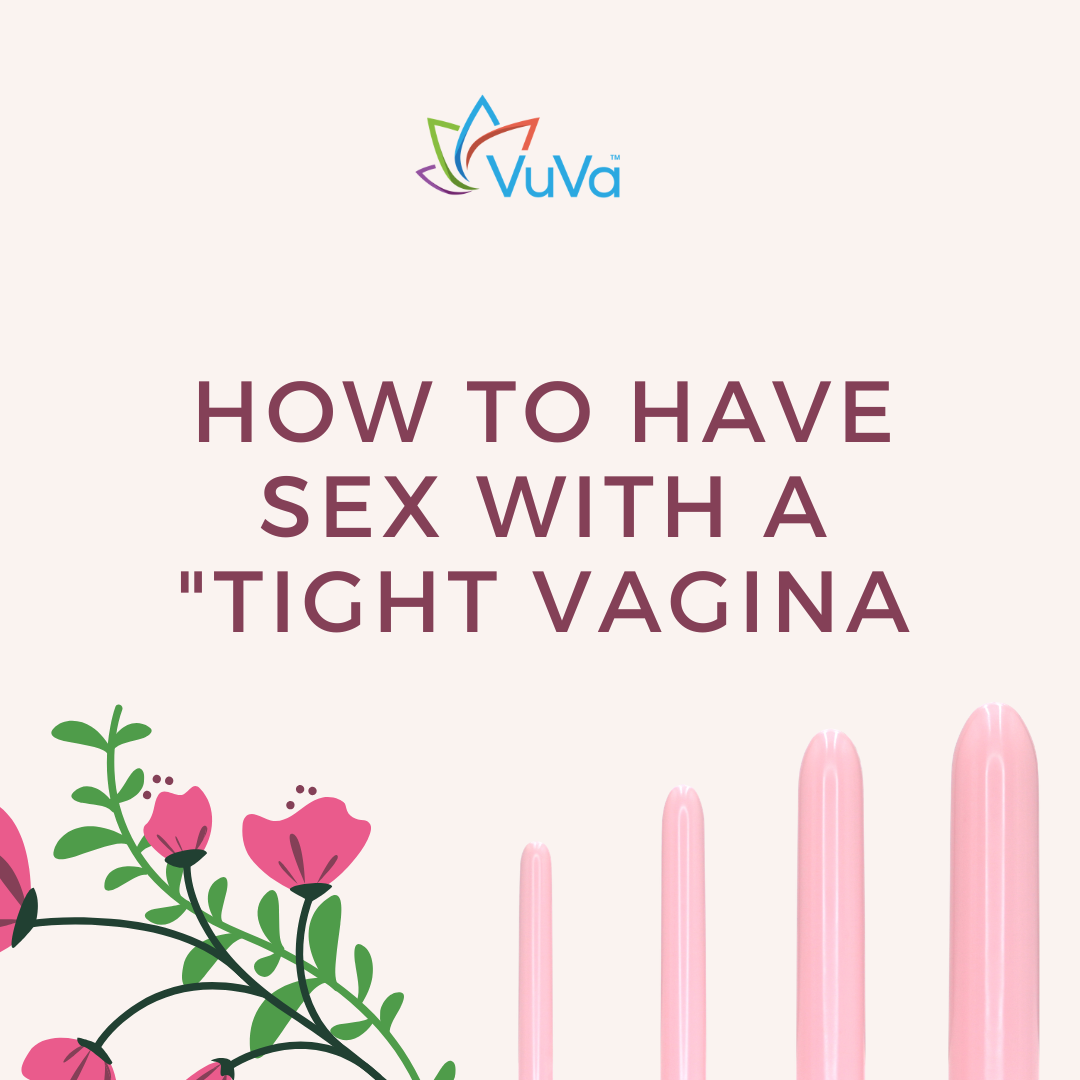
The Secret Weapon: Dilation. The absolute best way to have comfortable sex is to use a Pelvic Trainer (dilator) for 10–15 minutes before your partner enters the room.
-
Why it works: Using a graduated trainer allows you to "warm up" the tissues and desensitize the nerves in private. By the time you move to intimacy with your partner, your pelvic floor has already "accepted" the sensation of fullness, making actual sex much easier.
Step 2: Breathe Your Way Open
Most people hold their breath when they are nervous or in pain. This is the worst thing you can do for a "tight" vagina. Your diaphragm and your pelvic floor move together; when you hold your breath, your pelvic floor locks up.
-
The Technique: Practice "Reverse Kegels." As your partner moves toward entry, take a deep breath into your belly. As you exhale, imagine your pelvic floor dropping and opening like a blooming flower. This physically lowers the "gate" of the pelvic muscles.
Step 3: Prioritize "The Tenting Effect"
A woman’s body needs time to physically change for sex. When you are fully aroused, the vaginal canal undergoes "tenting"—it expands in length and width, and the cervix lifts out of the way.
-
The Strategy: If you feel tight, you likely need more foreplay. Do not rush to penetration. Ensure you are physically and mentally aroused so your anatomy has the chance to "unlock" and create the space needed for comfort.
Step 4: Use "Buffer" Lubrication
Friction causes micro-tears, and micro-tears cause the muscles to clench even harder. Even if you think you’re "wet enough," use a high-quality, water-based lubricant.
-
The Strategy: Apply lube to both yourself and your partner. This reduces the "stinging" sensation that often triggers the guarding reflex at the start of intercourse.
Step 5: Control the Depth and Speed
When you feel "tight," the fear of a sudden, painful thrust can make you clench. Regaining control can help lower your anxiety.
-
The Strategy: Consider positions where you are in control of the depth and speed (such as being on top). This allows you to set the pace and stop the moment you feel a "clench" starting, allowing you to breathe and reset.
Why This is Only a Temporary Fix
The steps above will help you get through the night, but they don't fix the underlying issue. If you are consistently "too tight," you likely have a condition like Vaginismus, Vulvodynia, or a Hypertonic Pelvic Floor.
True freedom comes from Graduated Dilation Therapy. By using a set of trainers (like our VuVa Magnetic sets), you are doing the long-term work of retraining your nervous system. You are teaching your body that penetration is safe, which eventually makes the "tight" feeling disappear entirely.
FAQs: Tips for Success
Should I tell my partner it hurts? YES. If you hide the pain, you will naturally start to resent intimacy. Explain that your muscles are "guarding" and that you need to go slow. A supportive partner is your best asset in healing.
What if we can't get all the way in? That is okay! "Outer-course" or shallow penetration is still intimacy. Don't force it. If you hit a wall, stop, go back to foreplay, or try using your trainer for a few minutes to reset.
Do magnets really help with the "sting"? Many women find that Neodymium magnets help calm the "electric" nerve pain associated with Vulvodynia. This reduces the initial sting of entry, which prevents the muscles from slamming shut.
A Final Thought from Tara
I know the frustration of wanting to be close to someone but feeling like your body is a "no-fly zone." Please stop trying to "push through" the pain. Use the tools available to you—lubricants, breathing, and especially Pelvic Trainers. When you treat your pelvic floor with kindness instead of force, it will eventually open up for you.
About the Author: Tara Langdale-Schmidt
Tara Langdale-Schmidt is a pelvic health advocate and the inventor of the patented VuVa™ Magnetic Pelvic Trainers. After overcoming her own battle with Vaginismus, she dedicated her life to helping women reclaim their bodies through non-invasive, drug-free solutions.
References & Clinical Citations
-
Journal of Women’s Health Physical Therapy (2026): The Impact of Arousal and Tenting on Dyspareunia.
-
International Society for the Study of Women's Sexual Health: Managing Hypertonic Pelvic Floor.
-
Mayo Clinic: Vaginismus and Muscle Guarding Reflexes.


