


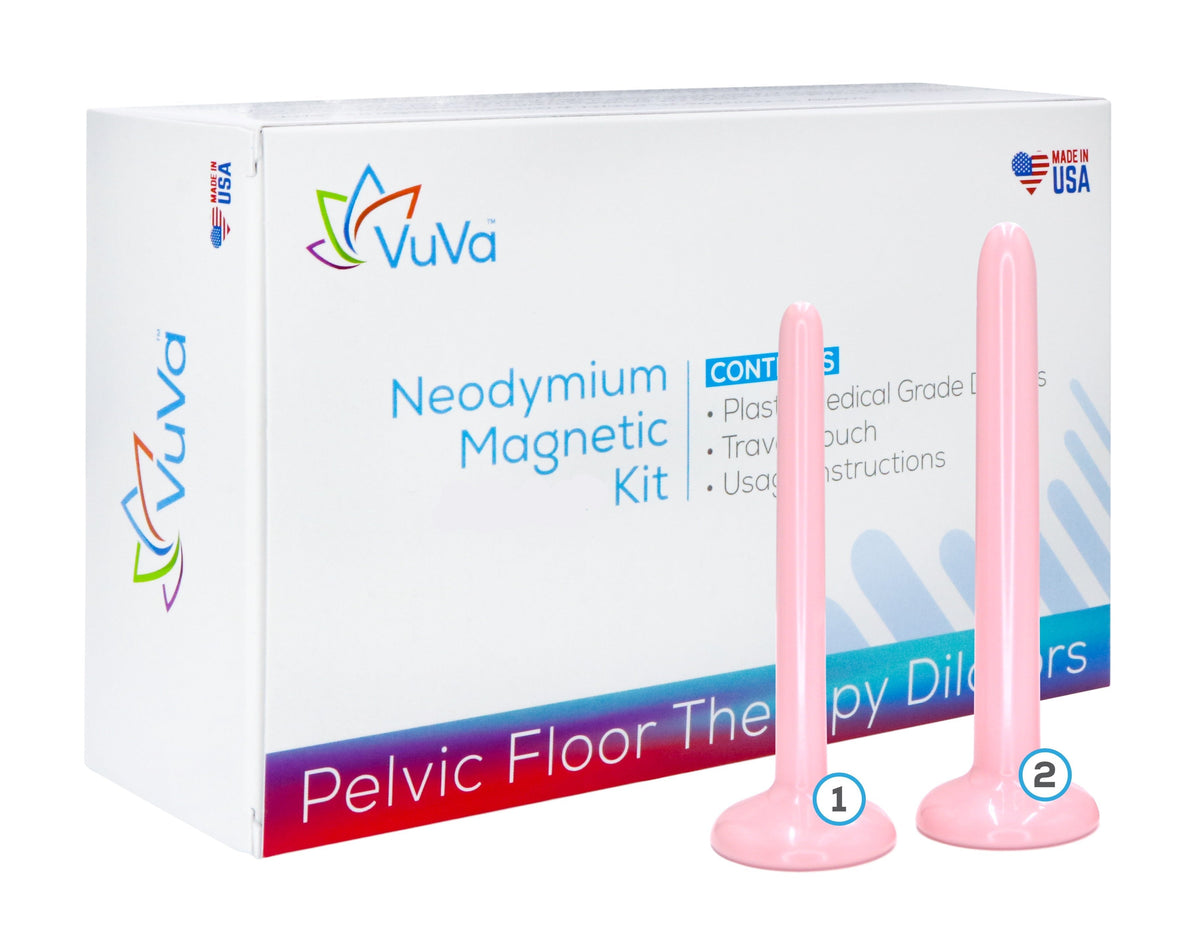
How Do I Know When to Move Up to the Next Dilator Size?
You may be ready for a larger dilator when the current size can be used comfortably and your clinician or pelvic floor therapist agrees. There is no universal timetable for increasing sizes.
What this symptom or decision really means
Vaginal dilators are tools for gradual, clinician-guided accommodation and desensitization—not a test of endurance. Painful insertion may involve pelvic floor muscle guarding, vulvar or vaginal tissue sensitivity, hormonal dryness, or other conditions. A gynecologist or pelvic floor physical therapist can help identify the cause before choosing a size.
Progress is about comfort, not the calendar
Some people remain at one size for several sessions; others need longer. A prescribed plan may focus on reduced guarding, easier insertion, and confidence rather than a target date.
Signs you should stay at the current size
Sharp pain, burning, bleeding, significant muscle clenching, or lingering soreness are reasons to pause and seek guidance. Moving up should not mean pushing through pain.
Why diameter jumps matter
VuVa Size 3 is 0.75 inches in diameter and Size 4 is 1 inch; Size 5 is 1.125 inches. Compare the actual change rather than assuming each numbered step feels identical.
How to choose a set with room to progress
The 1–4 set covers smaller sizes, 3–6 covers a middle progression, and the full 1–7 range offers broader options. A larger set is convenient only if those sizes match your clinician-directed plan.
Compare VuVa vaginal dilator sizes
| Size | Diameter |
|---|---|
| 1 | 0.375 in |
| 2 | 0.5 in |
| 3 | 0.75 in |
| 4 | 1 in |
| 5 | 1.125 in |
| 6 | 1.375 in |
| 7 | 1.625 in |
Compare the official VuVa size chart, the Sizes 1–4 beginner progression, the Sizes 3–6 set, or the full 1–7 set. VuVa’s Size 1 contains no magnet. The magnetic models use patented sealed neodymium magnets, but additional therapeutic benefits from magnets are not established.
When to stop and seek medical advice
Do not force insertion or continue through sharp pain, bleeding, or significant resistance. Seek assessment for persistent pain, new bleeding, unusual discharge, skin changes, or pain after surgery or cancer treatment.
Signs that suggest you may be ready
Your current size can be used comfortably according to your clinician's instructions, with no sharp pain, tearing, or lingering soreness. You can maintain relaxed breathing rather than bracing against the device. You are not experiencing new bleeding or irritation. These are discussion points for your clinician or pelvic floor therapist, not an automatic signal to advance.
Signs that mean stay where you are—or stop
If you tense your abdomen, hold your breath, experience burning at the entrance, or feel pain afterward, increasing diameter may be premature. A sudden setback can occur with infection, menstrual or hormonal changes, stress, or a flare of an existing pain condition. You do not need to 'make up for lost time.' If symptoms change substantially, seek medical advice.
Why the next diameter may feel surprisingly different
Even a modest increase in diameter changes the circumference of a dilator. That can make the next size feel more challenging than expected. Compare exact measurements on the VuVa chart, and do not judge readiness by size numbers alone. The difference between consecutive sizes is not identical throughout every product range.
What to track between sessions
A simple log can record the size used, whether insertion was comfortable, how your pelvic floor responded, and whether pain persisted afterward. You can also note lubrication and any dryness or irritation. A log is useful when it helps you and your therapist make decisions; it should not become a pressure-filled scorecard.
The goal is function, not finishing a set
A person using dilators to tolerate a pelvic examination may have a different goal from someone working toward comfortable intercourse. Some people never need the largest sizes. Others need ongoing treatment for tissue dryness, vulvodynia, or another cause of pain. Reaching a particular number is not a medical definition of success.
Making the plan personal rather than following an internet schedule
Two people with the same symptoms may need different care. One may have primarily pelvic floor muscle guarding; another may have menopause-related dryness, a vulvar skin condition, or pain following surgery. Your gynecologist or pelvic floor physical therapist can help identify which factors are present and whether dilation should be used alongside other treatment. An online size chart can help you compare products, but it cannot determine your diagnosis or ideal progression.
Cleaning, lubrication, and when to pause
Follow VuVa's official cleaning and care instructions. Use a lubricant that is compatible with the device and appropriate for sensitive tissue. Do not share dilators. Stop and seek advice if insertion causes sharp pain, new bleeding, or persistent irritation. If you have active infection symptoms, recent pelvic surgery, or unexplained pain, ask your healthcare professional before starting or resuming. Comfortable, controlled practice is more useful than forcing a larger diameter.
Frequently asked questions
Should I move up every week?
No. Comfort and your clinician’s plan matter more than elapsed time.
What if the next size hurts?
Sharp pain, bleeding, muscle bracing, or persistent soreness mean you should pause and reassess.
Does the largest size mean therapy is complete?
No. The useful endpoint depends on your individual goals.
A practical next step
If you are considering vaginal dilators, identify the cause of discomfort and select a size based on what is comfortable now—not on a deadline or an idealized goal. VuVaTech offers USA-made progressive sets with discreet shipping.
Medical and product references
Educational content only; not individualized medical advice. Have a qualified clinician review condition-specific claims before publication.


