


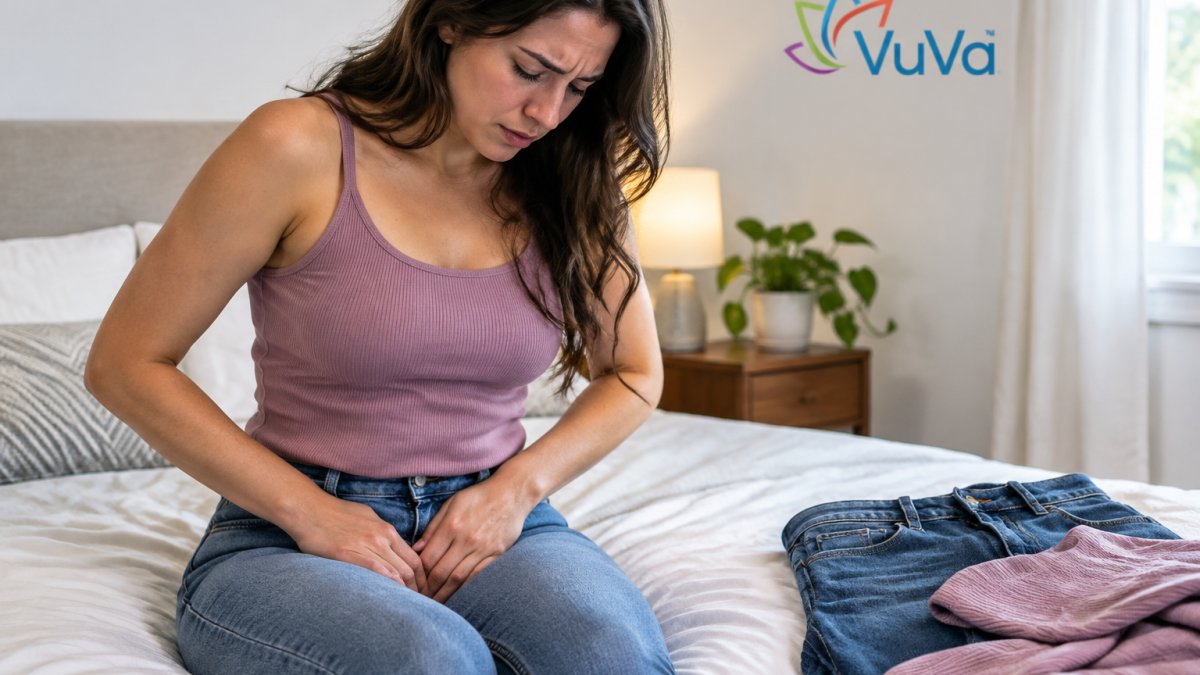
Last Updated: November 8, 2026
Quick Summary
A vulva sting from tight clothes happens because pressure, friction, trapped sweat and reduced airflow irritate the vulva's thin, sensitive skin. Switching to loose cotton underwear and breathable clothing usually eases the sting within hours, but pain that lasts for weeks needs a clinician's look.
- Tight pants and pubic-hair removal have been linked with a higher risk of vulvodynia.
- Change out of tight clothing as soon as you get home and rinse with plain warm water.
- Switch to loose cotton underwear and skip tight jeans, leggings and shapewear on flare-up days.
- Wash underwear in fragrance-free detergent and avoid fabric softeners and dryer sheets.
- Bring a trigger log of what you wore and when the sting started to your appointment.
Table of Contents
- Why Tight Clothes Make Your Vulva Sting
- Vulvar Irritation From Tight Clothing: What Pressure and Friction Do
- Vulvodynia Symptoms: When Stinging Points to Nerve Pain
- Other Causes of Stinging Besides Vulvodynia
- Pain in the Vaginal Opening: Tampons, Sex and Tight Seams
- How to Soothe a Burning Vulva: Step-by-Step Relief
- What a Clinician May Ask and Examine
- Choosing Clothing and Products That Ease the Sting
- Frequently Asked Questions
Why Tight Clothes Make Your Vulva Sting
If your vulva stings after a day in tight jeans, you are not imagining it. I'm Tara Langdale, and I created VuVaTech in 2014 after years of my own vulvodynia and painful intimacy. The burning, tingling feeling that shows up after tight clothes is real, and it has real causes. This guide explains why tight clothing makes your vulva sting, what else can trigger it, and the practical steps that help. Below, we'll walk through the causes, the relief steps, and when to see a clinician.
Vulvar pain is discomfort in the external genital area, and it can come from skin irritation, nerve sensitivity, or pelvic floor tension. Many people find that pressure and friction from clothing provoke their symptoms. According to Boston University School of Public Health research on tight pants and vulvodynia risk, researchers have linked tight pants and pubic-hair removal with a higher risk of vulvodynia. That does not mean your jeans cause a chronic condition. It means clothing choice deserves attention.
Vulvar Irritation From Tight Clothing: What Pressure and Friction Do
Vulvar irritation from tight clothing happens when fabric presses against sensitive tissue and rubs with movement. The vulva has thin, delicate skin with a rich nerve supply. Constant compression and chafing wear on it fast.
Four things go wrong at once:
- Pressure traps the tissue against the body and reduces blood flow
- Friction from seams and tight seams creates micro-irritation
- Sweat gets trapped, and moisture softens and irritates skin
- Reduced airflow keeps the area warm and damp
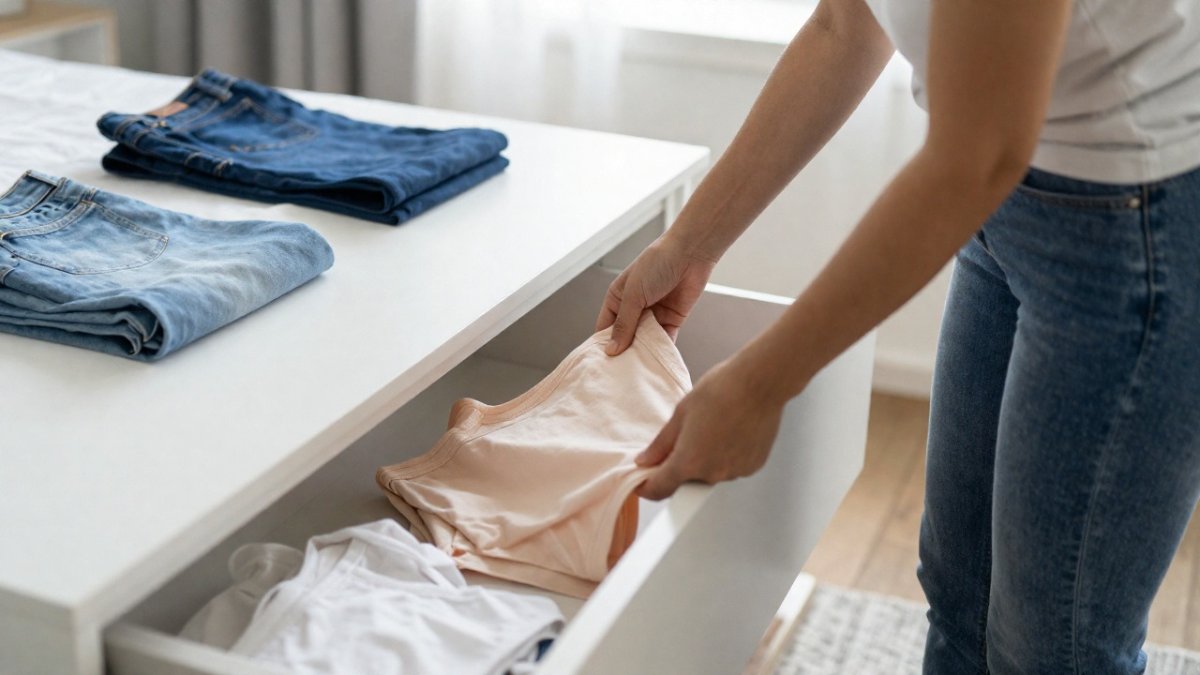
The result is stinging, burning, and sensitivity that often builds through the day. If you want to know how long this kind of irritation usually lasts, read our guide on how long tight pants syndrome lasts.
Vulvodynia Symptoms: When Stinging Points to Nerve Pain
Vulvodynia is chronic vulvar pain without a clear identifiable cause, and it often shows up as burning, stinging, or rawness. The pain can last months and may come and go.
Watch for these signs:
- Stinging or burning with no visible rash
- Pain with touch, sitting, or tight clothing
- Discomfort that lasts well after the trigger is gone
- Pain that spreads or worsens over time
When stinging follows nerve patterns rather than skin irritation, home care looks different. Our guide to managing vulvodynia pain at home covers gentle hygiene, cold therapy, and pelvic floor care in detail.
Other Causes of Stinging Besides Vulvodynia
Not every sting is nerve pain, and assuming it is can delay the right care. Several common conditions cause burning, stinging, or rawness on the vulva, and each has a different pattern. The table below is a starting point for a conversation with a clinician, not a diagnosis.
| Cause | Typical pattern | What often helps |
|---|---|---|
| Yeast infection | Itching plus thick discharge, worse at night | Antifungal treatment after confirmation |
| Bacterial vaginosis | Thin discharge with odor, burning with urine | Antibiotics after testing |
| Contact dermatitis | Sting after new detergent, dye, or scented product | Remove the trigger, fragrance-free care |
| Hormonal thinning (menopause, postpartum, breastfeeding) | Dryness, stinging with touch or sex, less natural moisture | Lubrication, local estrogen if appropriate |
| Pelvic floor tension | Burning with pressure, sitting, or penetration | Pelvic floor physical therapy, gentle dilation |
| Skin conditions such as lichen sclerosus | White patches, tearing, intense itch | Prescription treatment from a clinician |
A few patterns help you sort these out. If the sting comes and goes with your clothing and fades within hours of changing, friction and moisture are likely players. If it persists for weeks, spreads, or appears with discharge, odor, or visible skin changes, an infection or skin condition deserves a look. If it comes with dryness and you are in perimenopause or menopause, hormonal thinning is a common contributor.
Stress and anxiety belong on this list too, but not as a dismissal. Pelvic floor muscles tighten under stress, and that tension creates real burning with pressure. If your stinging has no clear infection, our article on whether stress can cause vulvar burning explains the mind-body link.
Watch out: do not treat a suspected infection with leftover antifungals or home remedies before you know what you are dealing with. The wrong treatment can mask symptoms and make the next evaluation harder.
Pain in the Vaginal Opening: Tampons, Sex and Tight Seams
Pain in the vaginal opening often traces back to the same pressure and friction that tight clothes create. The opening, called the vestibule, is packed with nerve endings.
Tampons and sex both press on that tissue. Add a tight seam or a compressive waistband and the burning gets worse. Our guide on why tampons feel uncomfortable breaks down the causes and fixes.
A simple test helps. Switch to loose clothing for a week and note whether the sting eases. If it does, clothing is likely part of the picture. If it does not, look at other triggers.
How to Soothe a Burning Vulva: Step-by-Step Relief
How to soothe a burning vulva starts with removing the trigger, then calming the tissue. Try this sequence:
- Change out of tight clothing as soon as you get home
- Rinse gently with plain warm water, no soap on the vulva
- Pat dry, then let the area air dry fully
- Apply a cool compress for a few minutes
- Switch to loose cotton underwear for the rest of the day
- Avoid scented wipes, sprays, and douches
- Note what you wore and when the sting started
For sex, a quality lubricant reduces friction on sensitive tissue. Our water-based Slippery Stuff Gel is odorless and non-staining.

What a Clinician May Ask and Examine
A clinician will usually start with your history, not a speculum. Expect questions about when the sting started, what provokes it, and whether it links to clothing, sitting, sex, or your cycle. Bring a simple trigger log: what you wore, how long you wore it, when the sting started, and how long it lasted. That log does more for diagnosis than any single test.
The exam is often gentle and can be stopped at any point. A clinician may:
- Look at the vulvar skin for redness, fissures, white patches, or changes
- Use a cotton swab to test specific points for tenderness, which helps separate skin irritation from nerve sensitivity
- Check pelvic floor muscle tone with a gentle internal exam, only if you consent
- Ask about infections, hormones, medications, and stressors
- Review your history for patterns such as pain with tampon use or cycling
No single test confirms vulvodynia. It is a diagnosis made after other causes are ruled out, so the history and the exam together matter more than any lab result. If a clinician suspects an infection, they may swab for yeast or bacteria. If they suspect hormonal thinning, they may ask about menopause status or suggest a trial of local treatment.
A few signs warrant faster care rather than watchful waiting: a new lump, ulcer, or sore that does not heal; bleeding between periods or after sex; fever with pelvic pain; or pain that wakes you at night. These are uncommon, but they change the urgency of evaluation.
Watch out: if a clinician dismisses your pain without examining you or taking a history, it is reasonable to seek a second opinion.
Choosing Clothing and Products That Ease the Sting
Clothing choice is the lever you control every day. Build your wardrobe around airflow and low friction.
- Choose breathable cotton underwear and change it daily
- Skip tight jeans, leggings, and shapewear on flare-up days
- Wear loose skirts or wide-leg trousers when you can
- Wash underwear in fragrance-free detergent
- Avoid fabric softeners and dryer sheets
- Go without underwear at night when possible
For ongoing irritation, gentle products matter too. You can browse products for vulvar itchiness designed to soothe rather than strip sensitive skin.
Pelvic floor tension often sits underneath recurring stinging. VuVaTech's patented Neodymium magnetic dilator sets are made from medical-grade, BPA-free plastic and come with a 10-year magnet strength warranty. They are designed to support relaxation and circulation as part of a home routine. Our 4-disc DVD set, Healing the Pain 'Down There', walks through vaginal health guidelines and a viewing schedule you can follow at your own pace.

Stinging that returns every time you dress is frustrating, and it deserves a real plan. Start with clothing, track your triggers, and bring your notes to a clinician. If pelvic tension is part of your picture, VuVaTech can help with patented magnetic dilator sets, medical-grade materials, and discreet shipping. Get started with VuVaTech and build a gentler daily routine.
Frequently Asked Questions
Can tight clothing cause vulvar irritation?
Yes. Tight jeans, leggings and synthetic underwear press against the vulva, trap heat and moisture, and create friction when you move or sit. That combination can leave skin feeling raw, itchy or stingy by the end of the day. Switching to looser, breathable fabrics and giving your skin a break from compression is a sensible first step.
How long does a vulvodynia flare last?
It varies widely. Some people notice stinging ease within hours of changing clothes and resting, while others have discomfort that builds over days and settles slowly. Flares can be triggered by sitting, cycling, tight waistbands or sexual activity, so tracking what came before each one helps you spot patterns. If pain lasts for weeks, keeps returning, or starts affecting sex, tampon use or sitting, see a clinician for an assessment rather than waiting it out.
How do you soothe a burning vulva at home?
Start by removing the trigger: change out of tight clothing into loose cotton, avoid scented washes and soaps, and rinse the area with plain warm water. A cool compress wrapped in a soft cloth can calm stinging skin. Skip douching and harsh wipes. Persistent burning deserves a clinician's review.
When should I see a clinician about vulvar pain?
Book an appointment if stinging lasts more than a few weeks, keeps coming back, or comes with burning when you urinate, unusual discharge, a visible rash, sores or lumps. The same applies if pain blocks sex, tampon use or sitting comfortably. A clinician may ask about your clothing, hygiene products and daily activities, then examine the vulva and vaginal opening. Vulvodynia symptoms and other causes can look alike, so an exam helps narrow down what is driving the sting.


