


Table of Contents
- How Pelvic Floor Tension Affects Sexual Wellness and Intimacy
- Recognizing Hypertonic Pelvic Floor Symptoms
- How to Relax Pelvic Floor Muscles: Practical Techniques
- Pelvic Floor Physical Therapy for Sexual Pain
- Vaginal Dilators for Pelvic Floor Tightness: Why They Help
- Moving Forward: When to Seek Professional Support
- Conclusion
- Frequently Asked Questions
Last Updated: October 21, 2026
How Pelvic Floor Tension Affects Sexual Wellness and Intimacy
When I invented VuVa, I wanted women to have another option.
Pelvic floor tension and sexual wellness are deeply connected. Your pelvic floor muscles support your bladder, bowel, and uterus.
The connection isn't always obvious. Many women don't realize their pelvic floor is the problem. They think something is wrong with them or their partner.
The Connection Between Muscle Tightness and Arousal
Arousal depends on blood flow and muscle relaxation.
Research shows that pelvic floor strength and sexual function are positively associated in women. But here's what most guides miss: strength alone isn't enough.
Think of it like a fist: a strong fist can squeeze hard, but it can't open and receive. Your pelvic floor needs both strength and the ability to release.
Pain, Discomfort, and Difficulty with Penetration
When pelvic floor muscles stay contracted, penetration becomes difficult or painful, and the muscles tighten more as you try to push through, a cycle where tension leads to pain and pain leads to more tension. Many women describe it as hitting a wall: they want intimacy but their body won't cooperate. This isn't a personal failure; your body is protecting itself.
Recognizing Hypertonic Pelvic Floor Symptoms
A hypertonic pelvic floor means your muscles stay too tight. They don't relax the way they should. This is different from weakness.
Common signs include:
- Difficulty with penetration or pain during sex
- Burning or aching in the pelvic area
- Frequent urination or urgency
The Cleveland Clinic describes hypertonic pelvic floor as muscles that do not relax and notes it can cause pain and problems with sex.
The good news: this is treatable. Understanding what's happening is the first step toward feeling better.
How to Relax Pelvic Floor Muscles: Practical Techniques
One question women frequently ask me is, "How do I actually get my pelvic floor to let go?" Relaxation isn't something you can force, you create the conditions for it, then practice. Here's the gentle, at-home sequence I wish someone had handed me years ago.
Before you start, a few ground rules:
- Empty your bladder first. A full bladder makes it harder to relax the pelvic floor.
- Set a timer for 10 minutes. Short and consistent beats long and sporadic.
- Never push into pain. A stretch should feel like a gentle yield, not a strain.
Step 1: Down-Regulate First (2-3 minutes)
Your pelvic floor won't release while your nervous system is in alarm mode. Start with breath, not with the muscles themselves.
- Lie on your back with knees bent and feet flat, or sit comfortably with your back supported.
- Place one hand on your lower belly and one on your ribcage.
- Inhale through your nose for a slow count of four, letting your lower belly and ribs expand in all directions.
A common pattern I hear is women who've been "belly breathing" but still holding their pelvic floor. On each exhale, silently say "let go" and notice whether it drops slightly. Don't push it down, just allow it.
Step 2: Pelvic Floor Awareness Without Clenching (2 minutes)
This is the part most guides skip. You can't release a muscle you can't feel.
- Bring your attention to the area between your pubic bone and tailbone.
- Notice what's there without trying to change it. Is it clenched? Gripped? Neutral?
- Gently imagine the pelvic floor widening and softening, like a flower opening, or like the feeling just before you sit down into a warm bath.
Step 3: Gentle Movement to Release Surrounding Tension (3-4 minutes)
Tight pelvic floors rarely live alone, the hips, glutes, and low back often hold tension too. Move slowly through 2-3 of these:
- Child's pose: Kneel, sit hips back toward heels, arms forward. Hold 60-90 seconds. Breathe into your back body.
- Cat-cow: On hands and knees, alternate arching and rounding your spine slowly for 8-10 rounds. Let your pelvic floor move with your breath.
- Supported squat: Hold a counter or chair, lower into a comfortable squat (not deep), and hold 30-45 seconds while breathing slowly.
Step 4: Integrate With Daily Life (throughout the day)
The real progress happens outside your 10-minute practice. A few micro-habits help:
- Check in at red lights, at your desk, and before bed. Ask: "Am I gripping?" Then soften.
- Notice your jaw and shoulders. Clenching your jaw often mirrors clenching your pelvic floor.
- Use a supported seat. Hard chairs with no back support encourage gripping. A small cushion or footstool helps.
How Often, and How Do You Know It's Working?
Most practitioners suggest 5-10 minutes daily, or at least 4 times per week, for 4-6 weeks before judging whether it's helping.
If you've practiced consistently for 6-8 weeks and still feel locked down, or if any insertion (tampon, finger, dilator, or intercourse) remains painful, seek a pelvic floor physical therapist or gynecologist rather than push harder at home.
When you're ready to add gentle, gradual stretching to your routine, VuVa Magnetic Dilators are designed to support that step-by-step progression. If you're brand new to dilation, most women start with Size 1 or Size 2 from the Full Magnetic Set, which lets you progress at your own pace.
Pelvic Floor Physical Therapy for Sexual Pain
If tension persists despite home relaxation work, pelvic floor physical therapy is worth exploring. Pelvic physical therapy is described as an evidence-based, first-line treatment for many pelvic floor disorders and sexual dysfunction. But "see a pelvic floor PT" is vague advice if you don't know what actually happens in the room. Here's what to expect, so you can walk in feeling informed rather than blindsided.
What a First Evaluation Usually Looks Like
A good pelvic floor PT starts with a conversation, not a speculum. The first visit typically includes:
- A detailed history: your pain pattern, when it started, what makes it better or worse, bowel and bladder habits, menstrual history, pregnancies, surgeries, and any history of trauma. You're never required to disclose more than you're comfortable sharing, but the more your therapist understands, the better they can help.
- A posture and movement screen: how you stand, sit, breathe, and move. Pelvic floor tension often shows up in the ribs, hips, and breath pattern first.
- An external assessment: observation and gentle touch of the hips, glutes, low back, and inner thighs, fully clothed.
What Treatment Might Include
Pelvic floor PT for tension is not just Kegels, for a tight pelvic floor, Kegels can make things worse. Treatment often combines:
- Down-training and breath work: teaching the pelvic floor to lengthen and release rather than contract.
- Manual therapy: gentle external and (with consent) internal soft-tissue work to release trigger points and restrictions.
- Biofeedback: sensors that help you see on a screen whether you're clenching or releasing, useful when the sensation is hard to read.
How Progress Is Measured
Progress in pelvic floor PT is tracked in concrete ways, not just "how do you feel?" Your therapist may document the size of dilator or finger you can comfortably tolerate and how that changes over weeks, pain ratings before, during, and after insertion, whether you can consciously release the pelvic floor after a contraction, and functional goals you set together, inserting a tampon, tolerating a speculum for a Pap, or comfortable intimacy.
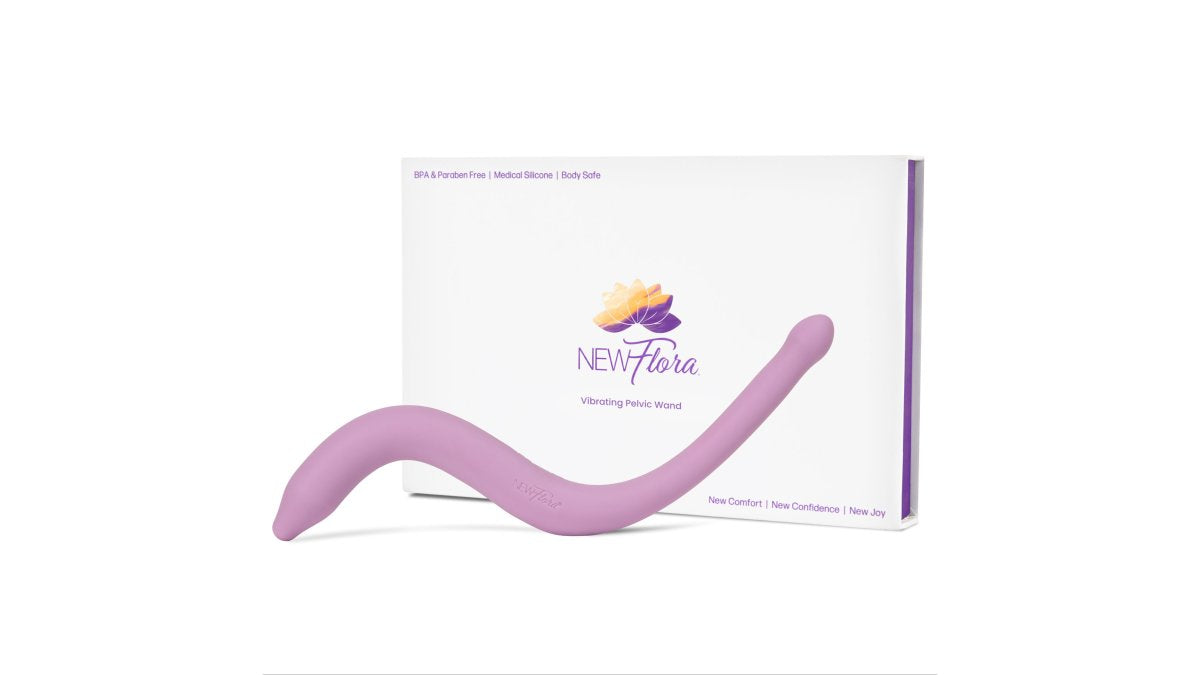
Vibrating Pelvic & Perineal Massage Wand →
Pelvic floor physical therapy addresses the root cause of tension, not just the symptoms. A good therapist helps you understand your body, respects your consent at every step, and gives you a clear home program so progress continues between visits.
Where Dilators Fit In
Many pelvic floor PTs recommend vaginal dilators as part of the home program, they let you practice gentle, gradual stretching in a low-pressure setting so clinic work carries over. VuVa Magnetic Dilators feature our patented neodymium magnet technology, setting them apart from traditional non-magnetic dilators.

If your therapist has cleared you to start dilator work at home, explore the VuVa Magnetic Dilator collection to find your starting size.
Vaginal Dilators for Pelvic Floor Tightness: Why They Help
Vaginal dilators are one of the most effective tools for managing pelvic floor tension at home. They gently stretch your muscles over time, teaching your pelvic floor to relax and accept gradual expansion. They help through gradual stretching (start small and progress at your own pace), consistent practice that retrains your muscles to relax, confidence building as you progress, and preparation for intimacy so your body remembers how to accept penetration comfortably.
How VuVa Magnetic Dilators Are Different
VuVa Magnetic Dilators feature our patented neodymium magnet technology, setting them apart from traditional non-magnetic dilators. I designed them because I wanted something that did more than just stretch. The magnets are permanently enclosed inside medical-grade BPA-free plastic, safe, durable, and designed as an additional feature that complements the stretching process. Both magnetic and non-magnetic dilators support gradual stretching, but VuVa's patented magnetic design gives you an extra tool for managing tension and supporting your pelvic wellness routine at home.
VuVa Magnetic Dilators are designed for women who want a home-based solution combined with physical therapy, or for those managing ongoing pelvic tension and preparing for comfortable intimacy.
Choosing Your Starting Size and Building a Routine
Choosing the right starting size matters: too large and you'll experience pain, too small and you won't feel progress.
Here's how to choose:
| Size | Best For | Typical Starting Point |
|---|---|---|
| Size 1 | Severe tension, vaginismus, beginners | Yes, if penetration feels impossible |
| Size 2 | Moderate tension, most beginners | Yes, most common starting size |
| Size 3 | Progressing from size 2, moderate tightness | After 2-4 weeks with size 2 |
| Size 4+ | Advanced progression toward normal function | After consistent progress |
Most women start with VuVa's Full Magnetic Set, which includes sizes 1-7. This gives you flexibility to progress at your own pace.
Your routine might look like this:
- Week 1-2: Use size 1 or 2 for 10-15 minutes, 3-4 times per week. Apply lubricant and insert slowly. Breathe deeply. Don't force it.
- Week 3-4: Same size, same frequency. Notice if it feels easier.
- Week 5+: Progress to the next size when the current size feels comfortable. There's no rush.
Consistency beats intensity, twice a week for 10 minutes is better than once a week for 30.

Moving Forward: When to Seek Professional Support
Home care is powerful, but sometimes you need professional help. Seek evaluation if pain during intimacy hasn't improved after 6-8 weeks of consistent dilator use, you experience unexplained bleeding or discharge, you have signs of infection, tension is affecting your emotional wellbeing or relationships, or you're unsure whether dilators are right for your situation. A gynecologist or pelvic floor physical therapist can assess what's happening and whether dilators alone will help or you need additional treatment.
Conclusion
Pelvic floor tension doesn't have to control your life or your intimacy. Understanding the connection between your muscles and sexual wellness is the first step.
I created VuVa Magnetic Dilators because I wanted women to have a compassionate, effective option for managing pelvic tension at home.
Ready to explore a home-based solution? Discover VuVa Magnetic Dilators and find your starting size.
References & Further Reading
-
Kanter, G., et al. (2015). "A strong pelvic floor is associated with higher rates of sexual activity in women with pelvic floor disorders." PubMed Central.
-
Zachariou, A., et al. (2024). "Supervised Pelvic Floor Muscle Training Improves Sexual Function in Women with Multiple Sclerosis." Journal of Personalized Medicine.
-
Stamos, D., et al. (2025). "Female Sexual Function and Pelvic Floor Muscle Training." PubMed Central.
-
Sahin, E., et al. (2025). "Pelvic physical therapy for male sexual disorders." Sexual Medicine Reviews.
-
Cleveland Clinic. "Hypertonic Pelvic Floor: Symptoms, Causes & Treatment."
Frequently Asked Questions
Can pelvic floor tension affect sexual wellness?
Yes, pelvic floor tension directly impacts sexual wellness and intimacy. When pelvic floor muscles stay chronically tight, they can make penetration uncomfortable or painful, reduce arousal, and interfere with orgasm. Research shows that pelvic floor strength and coordination matter for sexual function, but excessive tension creates the opposite problem. If your pelvic floor can't relax, it restricts blood flow and prevents the natural responses your body needs for enjoyable intimacy.
What does an overactive pelvic floor feel like?
An overactive pelvic floor often feels like constant tension, heaviness, or pressure in the pelvic area. You might notice sharp or aching pain during or after sex, difficulty inserting tampons, or a persistent feeling that something is 'tight' or 'stuck.' Some women describe it as muscle cramping or burning sensations. The Cleveland Clinic notes that a hypertonic pelvic floor, one that doesn't relax properly, can cause pain and sexual dysfunction. If this sounds familiar, professional assessment helps confirm what's happening.
How can I relax a tense pelvic floor?
Relaxation starts with breathing and awareness. Try slow, deep breaths into your belly rather than shallow chest breathing. Progressive muscle relaxation works well: tense your pelvic floor slightly, then consciously release and notice the difference. Gentle stretching, warm baths, and reducing overall stress help too. Some women find that pelvic floor physical therapy teaches specific techniques tailored to their needs. Vaginal dilators used gently over time can also support gradual relaxation and comfortable stretching as part of a broader routine.
Can vaginal dilators help with pelvic floor tightness?
Yes, vaginal dilators are designed to support gradual, comfortable stretching and relaxation of a tight pelvic floor. When used consistently as part of a routine, they help your muscles learn to relax and accommodate gentle pressure. VuVa Magnetic Dilators feature patented neodymium magnet technology, which sets them apart from traditional non-magnetic dilators. The magnets are designed to support your routine. Starting with a smaller size and progressing gradually allows your body to adjust without forcing or causing pain.


