


Table of Contents
- How to Use Pelvic Dilators for Vaginismus: A Step-by-Step Guide
- What to Have Ready Before Your First Session
- Step-by-Step: Inserting a Dilator Gently
- Vaginismus Dilator Exercises to Pair With Insertion
- How Often to Use Vaginal Dilators (and for How Long)
- When to Move Up a Dilator Size
- The Best Lubricant for Vaginal Dilators
- Cleaning, Storage, and Warming Your Dilators
- Frequently Asked Questions
Last Updated: October 16, 2026
How to Use Pelvic Dilators for Vaginismus: A Step-by-Step Guide
Learning how to use pelvic dilators for vaginismus is a gentle, gradual process built on relaxation, the right size, and steady practice.
Vaginismus is a condition where the pelvic floor muscles tighten involuntarily when penetration is attempted, making sex, exams, or even inserting a tampon painful.
Pelvic dilators are smooth, tapered rods that come in a series of sizes. They are a core part of pelvic rehabilitation and are often recommended by pelvic floor physical therapists.
What to Have Ready Before Your First Session
A calm setup makes the first session easier. Gather everything before you start.
Here is what to have within reach:
- A water-based lubricant
- A clean towel
- Your dilator, washed and dried
Set aside 15 to 20 minutes; rushing works against you. The goal of session one is not full insertion but getting comfortable touching the area and breathing.

4oz Slippery Stuff Gel Personal Lubricant
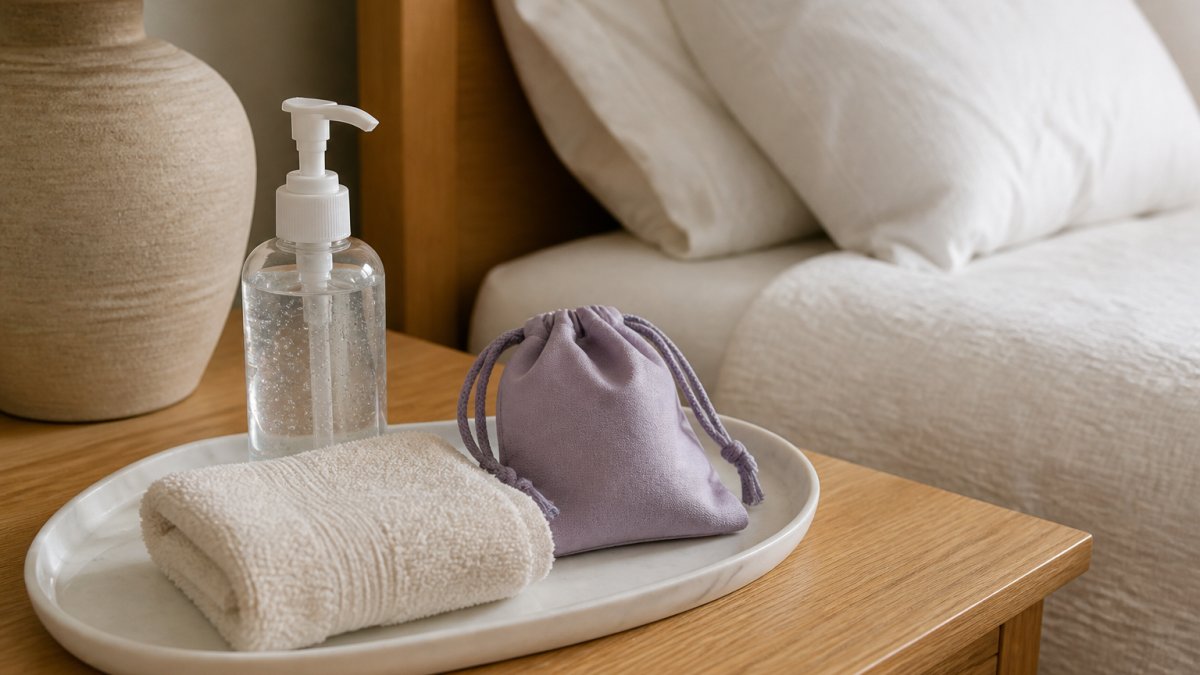
A calm, softly lit bedroom scene showing a small tray with a water-based lubricant bottle, a folded towel, and a discreet storage pouch on a bedside table, no people visible, warm neutral tones
Step-by-Step: Inserting a Dilator Gently
Insertion should never hurt. If it does, stop, breathe, and try again later or with a smaller size.
- Wash your hands and your dilator with mild soap and warm water.
- Find a comfortable position.
- Apply generous water-based lubricant to the dilator tip and your vaginal opening.
- Take five slow breaths, letting your belly rise and fall.
- Gently part the outer lips and rest the dilator tip at the vaginal opening.
- Apply light, steady pressure, do not push hard.
- Breathe in, and as you exhale, let the dilator slide in a little.
- Stop at the first sign of sharp pain. Mild stretching is fine; pain is not.
- Hold it in place for a few minutes, breathing slowly, then remove it slowly.
The 12 o'clock position, straight in toward the small of your back, usually works best. If you feel a block, shift the angle slightly.
Positions That Help Your Pelvic Floor Relax
Your position changes how much control you have. Try these:
- Lying on your back with knees bent and feet flat. This is the most common starting position.
- Side-lying with one knee drawn up. Good if lying flat feels exposed.
- Sitting with your back supported and feet on the floor.
Test a few and keep the one where your pelvic floor feels softest.
Vaginismus Dilator Exercises to Pair With Insertion
Dilator therapy works best when you pair insertion with pelvic floor relaxation: the dilator teaches your body that penetration is safe, and the exercises teach the muscles to let go.
- Diaphragmatic breathing: Place one hand on your belly and breathe so it rises on the inhale and falls on the exhale. Do 10 slow breaths.
- Progressive muscle relaxation: Tense your feet for five seconds, then release, working up through your legs, belly, and shoulders.
- Pelvic floor drops: On the exhale, imagine your pelvic floor softening downward. Do not push or bear down hard.
Keep each session short. Ten to fifteen minutes of focused practice beats a long, tense attempt.
How Often to Use Vaginal Dilators (and for How Long)
Frequency matters less than consistency and calm. A short session you can complete without bracing beats a long one you dread. A common starting rhythm is 10 to 15 minutes a day, or every other day if daily feels like too much; the right cadence is the one you can repeat without resentment.
A Realistic Progression Framework
Stage |
Typical Frequency |
Session Length |
Functional Milestone |
|---|---|---|---|
Getting familiar |
Daily or every other day |
5-10 minutes |
You can touch the area and breathe without bracing |
First insertions |
4-5 times per week |
10-15 minutes |
Smallest size inserts on the first or second try |
Building tolerance |
3-5 times per week |
10-15 minutes |
You can hold the current size for 10 minutes with no burning |
Progression |
3-5 times per week |
10-15 minutes |
You meet the functional signs for the next size |
Maintenance |
2-3 times per week |
10 minutes |
Comfort holds steady without daily practice |
Treat the milestones as the real target and the frequency as a suggestion. Meeting a milestone faster than the table suggests is fine, and so is needing longer at a stage.
Coordinating Home Practice With Professional Care
Dilator therapy is often most effective as part of a broader plan. A pelvic floor physical therapist can assess whether your pelvic floor is overactive, underactive, or coordinating poorly, three problems that look similar but need different approaches, and can teach internal release techniques, biofeedback, or down-training that pair well with dilator use.
Consider seeking an assessment if any of the following apply:
- Pain has been present for more than a few months
- You have symptoms beyond penetration, such as bladder urgency, bowel changes, or pain with sitting
- You have a history of pelvic surgery, childbirth injury, or a known condition such as endometriosis
You do not need a referral to see most pelvic floor physical therapists in the United States, though some insurance plans require one. A clinician can also help you decide whether dilators are the right tool right now. (Source: understanding vaginismus)
When to Pause or Stop
Dilator use is generally low-risk, but pause and check in with a clinician if you experience:
- Sharp pain during insertion that does not ease with breathing or a smaller size
- Burning, itching, or unusual discharge that persists between sessions
- Bleeding that is not related to your menstrual cycle
Mild stretching, fullness, or brief awareness of the dilator are common and usually settle within a minute or two. Sharp pain, lingering burning, and a strong urge to push the dilator out are signals to stop for the day.
A Note on Emotional Pacing
Some sessions will feel easy and some will not, and that is not a measure of your progress. If a session feels overwhelming, you are allowed to stop and try again another day, or to spend it on external touch, breathing, or simply getting comfortable with the next attempt. Insertion is not required for a session to count.
VuVa Neodymium Magnetic Set - Sizes 1,2,3,4 →
When to Move Up a Dilator Size
Most guides tell you to move up when a size "feels comfortable," which is too vague to act on. A more useful approach is to look for functional signs, things your body can do, rather than watching the calendar.
Functional Signs You Are Ready for the Next Size
Consider moving up when most of these are true across several sessions, not just one good day:
- You can insert the current size on the first or second attempt without needing a warm-up size first
- You can hold it for 10 minutes with no burning, stinging, or urge to remove it
- You can angle the dilator toward 12, 3, 6, and 9 o'clock without sharp sensation
If you can tick four or five, try the next size. If only one or two, stay where you are, that is information, not a setback.
How to Introduce a Larger Size Without Losing Ground
A common pattern that works well:
- Start each session with the size you have already mastered, for two to three minutes, to let the pelvic floor settle.
- Remove it, apply fresh lubricant, and introduce the new size.
- Insert only as far as feels neutral, sometimes just past the opening is enough at first.
- Hold for one to two minutes, breathe, then remove.
- Finish with the familiar size for a minute or two, so the session ends relaxed.
This "bookend" approach keeps the nervous system from associating the new size with a stressful ending.
What to Do If Progress Stalls
Plateaus are normal and usually mean one of a few things:
- The jump is too big. Some sets skip sizes. If the next dilator is noticeably wider, ask a pelvic floor physical therapist whether an intermediate size exists, or spend more time with the current one.
- You are practicing while tense. Sessions done in a hurry, after a stressful day, or when you are already braced tend to reinforce guarding. Shorten the session and focus on breathing only.
- Something else is contributing. Persistent burning, itching, bladder symptoms, or pain that does not match the size you are using can point to a second issue, such as a skin condition, infection, or a different pelvic floor diagnosis, that dilators alone will not resolve. This is a reason to seek assessment, not to push harder.
When a Larger Size Causes Symptoms
If the new size causes sharp pain, lingering burning, or a strong involuntary tightening response, drop back to the previous size for at least three to five sessions, then try the larger size again using the bookend method. If the reaction persists after two or three careful attempts, pause progression and check in with a clinician who treats pelvic pain.
The Best Lubricant for Vaginal Dilators
Use a water-based lubricant, and use more than you think you need. Water-based formulas are safe with medical-grade plastic dilators and gentle on sensitive tissue. Avoid silicone-based lubricants with silicone dilators, and skip anything with warming or tingling additives, which can irritate sensitive tissue.
Look for:
- Water-based and water-soluble
- Fragrance-free and odorless
- Free of parabens where possible
Reapply during a session if things feel dry, dryness causes friction, and friction causes pain. A good lubricant is one of the simplest ways to make dilator therapy more comfortable.
Cleaning, Storage, and Warming Your Dilators
Clean your dilator before and after every session with mild soap and warm water, rinse well, and dry it with a clean towel. Skip harsh cleaners, which can leave residue.
Warming tips:
- Soak the dilator in warm water for a few minutes before use
- Never use a microwave or boiling water, which can damage the material
- Test the temperature against your inner wrist first
Replace your dilators if the surface becomes scratched, cloudy, or cracked. A smooth surface is easier to clean and gentler to insert.
If you want a set built for gradual progression, the VuVa Neodymium Magnetic Set includes four graduated sizes made from medical-grade, BPA-free plastic. For those who prefer a wider range, the Five VuVa Smooth Set adds sizes five and six, plus a travel pouch and lubricant.


Vaginismus treatment takes patience, and doing it alone at home can feel uncertain. VuVatech offers gentle, thoughtfully designed dilator sets, including patented Neodymium magnetic options, medical-grade BPA-free materials, and discreet shipping, so you can build a calm routine in your own space.
Frequently Asked Questions
Should using a dilator for vaginismus hurt?
Mild pressure or a stretching sensation is common, especially with a new size, but sharp or lasting pain is not the goal. If it hurts, stop, breathe, and go back to a size that felt comfortable. Some soreness afterward can happen, but it should settle within a day. Lasting pain, bleeding, or burning that does not ease is a signal to pause and speak with a pelvic floor physical therapist or your doctor before continuing.
How often should you practice with vaginal dilators?
Most guidance suggests short, regular sessions rather than long, occasional ones. A common starting point is 10 to 15 minutes, several times a week, and many people aim for most days once it feels manageable. Consistency matters more than duration. If you are sore or anxious, take a rest day. Your pelvic floor physical therapist can help you set a schedule that fits your body and your treatment plan.
How do you know when to move up to the next dilator size?
Move up when the current size inserts easily, sits comfortably for the full session, and causes little or no discomfort for several sessions in a row. Do not rush based on a calendar. When you do try the next size, keep the smaller one nearby so you can return to it if needed. If the larger size causes pain or muscle guarding, stay where you are and try again in a few days.
Can you use pelvic dilators without a pelvic floor therapist?
Many people use dilators at home on their own, and some start after a referral from a pelvic floor physical therapist. Working with a therapist can help if you have severe pain, a history of trauma, or you are not sure where to begin. If you are doing it alone, go slowly, keep sessions short, and stop if pain increases. Check in with a qualified professional if progress stalls or symptoms get worse.


