


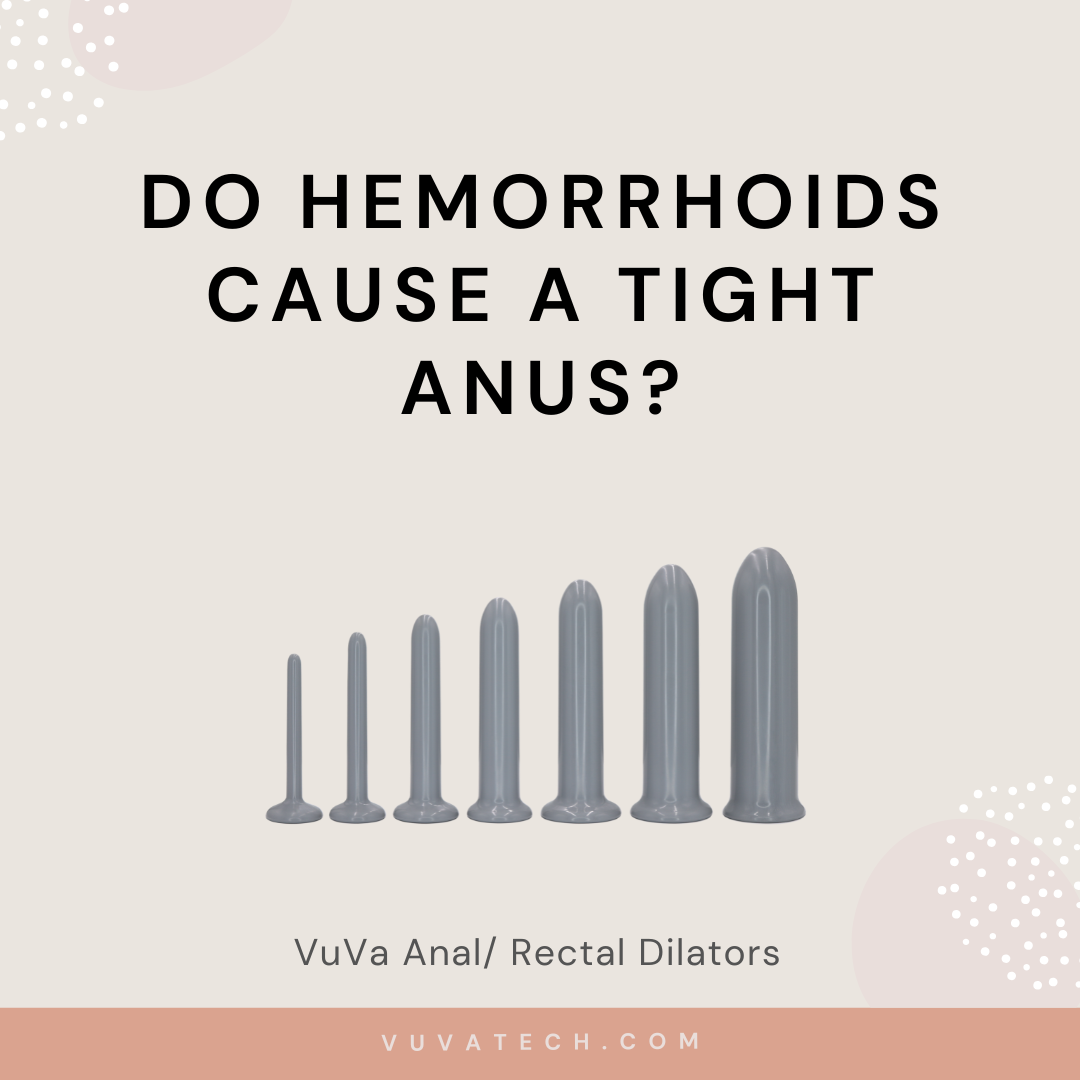
Do Hemorrhoids Cause a Tight Anus?
Hemorrhoids do cause that tight feeling around the anus. But it's not like they are actually making the opening smaller or anything. What happens is they set off this reflex in the body. The muscles there clench up to try and protect from the pain.
That clenching just makes everything worse over time. Pain causes the muscles to tighten more. Then blood flow gets cut down a bit. Which leads to even more discomfort. And the cycle keeps going with the muscles getting tighter. It seems like things are stuck or not working right down there.
I think most of the time this goes away eventually. You can help it along with some rest and basic care. Like taking warm sitz baths. Or trying ways to relax the area. Those should loosen things up again. But if it keeps happening or does not get better. Probably a good idea to see someone and check for other issues.
Tight Feeling After a Bowel Movement
Sometimes after you go to the bathroom and it is a tough one, you expect to feel better, but instead everything down there just stays tight. Like your anus will not let go or something. It is uncomfortable and, I guess, a bit worrying too.
A lot of folks search online about whether hemorrhoids make that happen, and yeah, they do, but people do not talk about it much. The tight feeling is not only physical. It messes with how you feel about yourself and your daily stuff.
What Are Hemorrhoids?
Hemorrhoids are basically these swollen veins around or inside the anus. They are normal actually. They help keep things in control during bowel movements.
But when they get inflamed, that is when trouble starts with:
Pain
Irritation
Maybe some bleeding
What people often overlook is how the body responds to all that, which makes the tightness worse.
How the Anal Muscles Work
The anal canal has these two sphincters:
One inside that works on it’s own, staying a bit contracted
The external one you can control, like when you hold it in
When hemorrhoids act up, both can clench too much, leading to that locked sensation.
Internal ones are deeper in the rectum and usually do not hurt unless they come out
External ones are right around the skin and painful
Then there are thrombosed ones with a clot that hurts a lot and causes spasms
Why the Tight Feeling Happens
I think the tight feeling comes from this cycle:
Hemorrhoids irritate and cause pain
Your muscles tighten up to protect
This cuts off blood flow and makes it hurt more
So the muscles stay tight
It keeps going like that until you do something about it.
People say it feels like:
A constant clench
Hard to pass stool
Pressure inside that sticks around after you go
Sometimes you:
Feel like you are not finished
Notice thinner stools
Feel uncomfortable sitting
Could It Be Something Else?
It is not always just muscle spasm. Sometimes it could be anal stenosis, which is a narrowing that does not go away easily and might need a doctor.
But the spasm kind:
Comes and goes
Gets better when you relax
Is tied to pain from hemorrhoids or irritation
Other things can cause it too, like:
Constipation
Stress making your pelvic floor tense up
Lifestyle stuff matters a ton, like:
Bad habit’s on the toilet
What You Can Do at Home
For relief at home, you can try:
Sitz baths
Sitting in warm water for 15 or 20 minutes. That helps loosen things and get blood moving
Deep breathing
Might signal the muscles to chill out
Keeping stools soft
Drink water
Do not strain
Better posture
Using a footstool can make the posture better for going
Other Options
If that is not enough, there are:
Creams that relax the muscles
Pain gels
Some prescription stuff
Pelvic floor therapy with a specialist can:
Teach you to relax
Help you coordinate better
Cut down on long term issues
Stretch gently over time
Retrain the muscles
Make it less sensitive
It seems like those can help, but I am not totally sure how long it takes.
When to See a Doctor
You should see a doctor if:
The pain lasts weeks
It gets worse
There is heavy bleeding
Stools are thin all the time
There are signs of infection
Do not wait on that.
Prevention
Prevention is about:
Not straining
Staying hydrated
Eating a diet full of fiber
Avoiding long sitting
Handling stress
Small changes add up, I think.
Stress and Recovery
The pelvic floor ties into stress too. When you are tense, those muscles clench without you knowing.
Relaxation, moving around, and rest can improve it a good bit.
Most folks get better in a few weeks if they stick with care. But sometimes, if the tension is a habit, it takes longer.
Consistency matters. But yeah, if it keeps up, get help. It is smart.
FAQs
1. Can the tight feeling happen suddenly or build over time?
Sometimes people get this tight feeling in their anus right when hemorrhoids flare up. It can hit suddenly, like during a bad episode. Other times, it builds slowly over days or weeks. I think both happen depending on the person.
2. Why does the tightness stay even after hemorrhoids improve?
The tightness might stick around even after the hemorrhoids start getting better. Muscles down there can get into a habit of staying tense. They do not just loosen up overnight. It takes relaxation and maybe some time to settle.
3. Can internal hemorrhoids cause this tight feeling too?
Internal hemorrhoids can cause it too, especially if they prolapse or get painful. That pulls things in a weird way.
4. How long does the tightness usually last?
For how long it lasts, mild stuff might ease in a week or two. But if it is chronic, that tension could drag on longer. Not sure exactly, but it varies.
5. Can this affect stool shape?
It can mess with stool shape a bit. Tight muscles make things narrower sometimes, at least while it is happening.
6. Do anal dilators help with this?
Anal dilators seem like they could help if you use them right, starting slow. They stretch gently without forcing it.
7. Why does it feel worse at night?
At night, it feels worse probably because you are not moving around. The day is stress builds up in those pelvic muscles, making everything tighter.
8. Does stress make it worse?
Stress definitely plays a role. It tightens things down there and amps up the symptoms overall.
9. Do warm baths actually help?
Warm baths work pretty well for relaxing the area. They are easy and do not require much.
10. Is this condition permanent?
Most cases are not permanent. With care, it gets better. Though some might need more attention if it lingers.
Citations
Lohsiriwat, V. (2012). Hemorrhoids: From basic pathophysiology to clinical management
Bharucha, A. E. et al. (2015). Functional anorectal disorders
Maria, G. et al. (1998). Botulinum toxin in anal fissure treatment
Liberman, H. et al. (2004). Anal stenosis
Paquette, I. M. et al. (2016). Clinical guidelines for anorectal conditions


