



Table of Contents
- How Pelvic Radiation Affects Vaginal Tissue
- Can Dilators Help With Pelvic Radiation Recovery
- When to Start Vaginal Dilators After Radiation
- How to Use a Vaginal Dilator After Pelvic Radiation
- How Often to Use Vaginal Dilators After Radiation
- Managing Pain Using a Vaginal Dilator After Radiation
- Important Considerations and When to Seek Help
- Frequently Asked Questions
Last Updated: October 19, 2026
How Pelvic Radiation Affects Vaginal Tissue
Pelvic radiation therapy can cause significant changes to vaginal tissue, but can dilators help with pelvic radiation recovery and prevent these effects? According to [a 2014 review published in PubMed Central](https://pubmed.ncbi.nlm.nih.gov/help/), women receiving pelvic radiotherapy often experience vaginal narrowing, scarring, and loss of elasticity months or years after treatment ends. At VuVatech, we work with individuals navigating these effects, and understanding what happens to your body during and after radiation is the first step toward reclaiming comfort and function.
Radiation damages the cells lining the vaginal walls. This damage triggers inflammation and scarring, a condition called vaginal stenosis. Over time, the vagina becomes narrower and less flexible. Sexual activity becomes painful. Even routine gynecologic exams can cause discomfort.
The severity depends on several factors:
- Radiation dose and treatment area
- Whether chemotherapy was also used
- Your age and overall health at treatment
- How much time has passed since radiation
Some women notice changes within weeks. Others don't experience symptoms until months or years later. The good news: vaginal changes are not permanent, and there are proven ways to prevent or reduce them.
Can Dilators Help With Pelvic Radiation Recovery
Yes, vaginal dilators can help with pelvic radiation recovery. They work by gently stretching vaginal tissue to maintain length, width, and flexibility. Think of them as a stretching exercise for your vagina, similar to how physical therapy helps other parts of your body after injury.
What the Evidence Shows
The research distinguishes between using dilators during radiation treatment versus after it. According to a 2014 analysis in PubMed Central, evidence did not support dilation during radiotherapy itself. However, case reports and case series suggest that dilation months or years after treatment may help prevent or reverse narrowing.
The evidence is encouraging but still evolving. Most studies focus on women who use dilators consistently over time. Sporadic use shows fewer benefits. The key is regular, gentle stretching to keep tissue from permanently scarring down.
Here's what dilator therapy can do:
- Maintain or restore vaginal length
- Prevent or reduce narrowing and stenosis
- Improve sexual function and comfort
- Reduce pain during intercourse
- Support overall quality of life after cancer treatment
Why Your Care Team Might Recommend Them
Your oncology team or gynecologist may recommend vaginal dilators for several reasons. After treatment ends, dilators become a preventive tool.
Your care team knows your specific treatment history, radiation dose, and anatomy. They can tell you whether dilators are right for you and when to start. If you haven't discussed dilators with your oncologist or gynecologist, ask about them at your next visit. They're a low-risk, evidence-informed option for protecting your sexual health after pelvic radiation.
When to Start Vaginal Dilators After Radiation
When to start vaginal dilators after radiation depends on your treatment plan and your care team's guidance. There's no one-size-fits-all timeline, but here are the general principles.
During radiation treatment: Some centers recommend using a dilator during radiation simulation and treatment sessions. This positions the vagina away from the tumor and reduces radiation dose to healthy tissue. Ask your radiation oncology team whether this is appropriate for your case.
After radiation ends: Most guidance suggests starting dilator therapy after your radiation course is complete, once acute inflammation has settled. This typically means waiting 2-4 weeks after your final radiation session. Starting too early can cause pain and discourage continued use. Establishing this routine early helps maintain tissue elasticity and prevents the long-term complications often associated with treating chronic pelvic pain.
If you already have stenosis: If you've waited months or years and narrowing has already developed, starting dilators now can still help. The tissue may be tighter, so progress will be slower and gentler. Your gynecologist can advise on the best approach for your situation.
The most important step is to ask your oncology team or gynecologist when they recommend you start. They know your radiation dose, treatment area, and recovery timeline. Their recommendation is your best guide.
How to Use a Vaginal Dilator After Pelvic Radiation
Using a vaginal dilator correctly makes the difference between success and frustration. Here's how to do it safely and effectively.
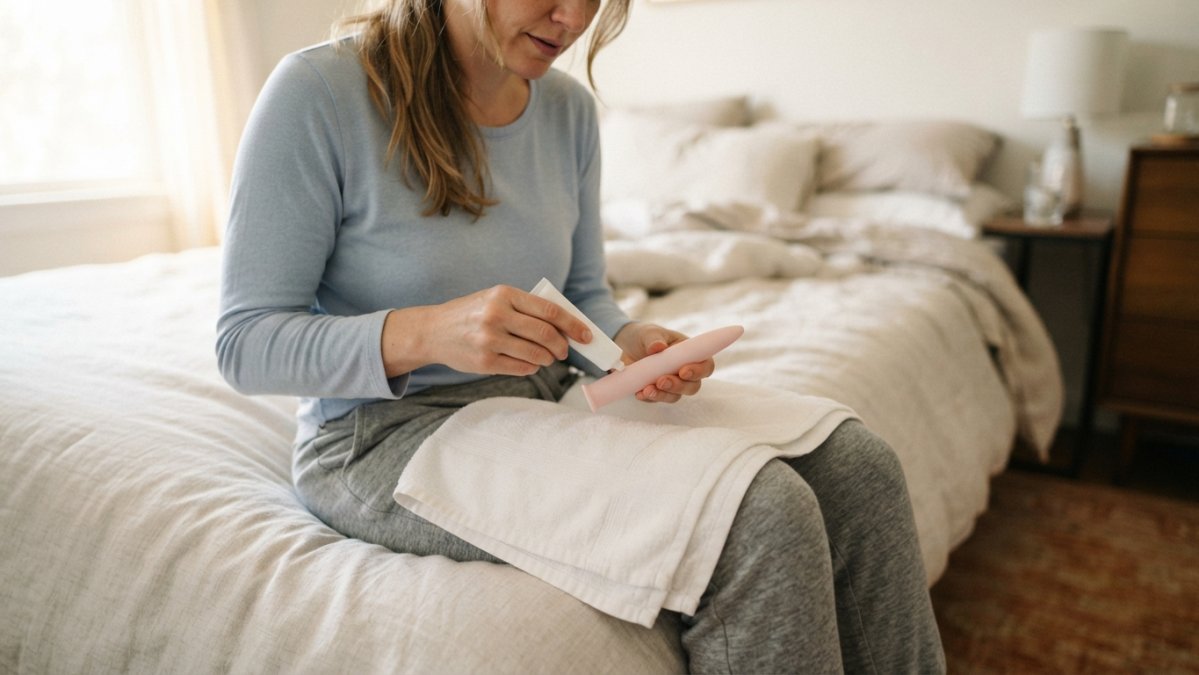
Step-by-Step Instructions
1. Choose a private, comfortable space. Use your bedroom or bathroom where you won't be interrupted. Dim lighting and a comfortable temperature help you relax.
2. Empty your bladder and bowels. A full bladder or bowel can increase pressure and discomfort. Use the bathroom first.
3. Wash your hands and the dilator. Rinse the dilator with warm water. Dry it completely. This prevents infection and makes insertion smoother.
4. Apply lubricant generously. Use a water-based lubricant like the Slippery Stuff Gel included with VuVatech dilator sets. Coat both the dilator and the vaginal opening.
5. Lie on your back with knees bent. Prop pillows under your head and lower back for support.
6. Take three deep breaths. Breathe in slowly through your nose, out through your mouth. Relaxation is key. Tension makes insertion harder and more painful.
7. Gently insert the dilator at an angle. Aim toward the back of your body, not straight up. Use the graduated tip to help guide it in.
8. Once inserted, hold it gently in place. You don't need to push it deeper or move it around. Just let it sit.
9. Stay relaxed for 10-15 minutes. Breathe slowly. Let your pelvic floor relax around the dilator. This is not exercise. It's gentle, passive stretching.
10. Remove slowly and gently. Take your time. Wash the dilator afterward. (Source: a 2014 analysis in PubMed Central)
Small VuVa Magnetic Vaginal Set →
Choosing the Right Size and Progressing Gradually
Start with the smallest dilator that feels manageable. If insertion is very painful or impossible, that size is too large. Choose a smaller one.
The VuVa Smooth sets come in graduated sizes:

| Size | Circumference | Best For |
|---|---|---|
| Size 1 | 1.17 inches | Starting point for significant stenosis |
| Size 2 | 1.57 inches | Progression after Size 1 |
| Size 3 | 2.35 inches | Mid-range progression |
| Size 4 | 3.14 inches | Advanced progression |
| Size 5 | 3.53 inches | Near-normal vaginal width |
| Size 6 | 4.32 inches | Full restoration of flexibility |
Progress to the next size only when the current size feels comfortable. Comfortable means you can insert it without sharp pain and hold it for 10-15 minutes without tension. This may take weeks or months. There's no rush.
How Often to Use Vaginal Dilators After Radiation
Consistency matters more than intensity. Regular use prevents tissue from scarring back down. Sporadic use shows fewer benefits.
Ideal frequency: Use your dilator 4-5 times per week. This schedule maintains flexibility without overloading your body.
Duration per session: 10-15 minutes is the standard recommendation. This duration allows gentle, passive stretching without causing fatigue or irritation.
Expected timeline: Most women see improvement within weeks. Full restoration of flexibility may take 3-6 months or longer, depending on the severity of stenosis and how long you've had it.
Long-term maintenance: After you reach your desired size and comfort level, continue using a dilator 2-3 times per week indefinitely. This prevents stenosis from returning. Think of it as maintenance, like brushing your teeth.
If you skip weeks or months, tissue can begin narrowing again. The good news is that restarting is usually easier than the initial progression. Your tissue remembers the stretch.
Managing Pain Using a Vaginal Dilator After Radiation
Some pain during dilator use is normal, especially early on. Your tissue is healing and adjusting to stretching. But sharp, intense pain is a signal to stop.
Normal sensations:
- Mild pressure or fullness
- A gentle stretch feeling
- Slight discomfort that eases as you relax
Abnormal sensations that mean stop:
- Sharp, shooting pain
- Burning that doesn't ease with more lubricant
- Cramping that feels like a muscle spasm
- Bleeding or spotting after use
When Pain Signals You Need to Stop
Stop immediately if you experience sharp pain. You may have chosen a size that's too large, or your tissue may not be ready yet. Try these adjustments:
- Switch to a smaller size
- Use more lubricant
- Shorten your session to 5 minutes
- Wait a few days before trying again
- Talk to your gynecologist if pain persists
Pain during dilator use should decrease over time. If it's getting worse or not improving after 2-3 weeks of regular use, contact your care team. You may need a different approach or medical evaluation.
Important Considerations and When to Seek Help
Vaginal dilators are safe and effective for most women after pelvic radiation. But there are situations where you should talk to your care team first.
Talk to your gynecologist before starting if you have:
- Active infection or severe inflammation
- Unhealed wounds or open sores in the vaginal area
- Severe pain that prevents any penetration
- A history of sexual trauma or vaginismus unrelated to radiation
Seek help if you experience:
- Severe pain that doesn't improve with smaller sizes or more lubricant
- Bleeding or spotting after dilator use
- Signs of infection (unusual discharge, fever, foul odor)
- Emotional distress or anxiety about dilator use
- No improvement after 8-12 weeks of consistent use
Your care team can adjust your approach, prescribe topical medications to ease discomfort, or refer you to a pelvic floor physical therapist. You don't have to navigate this alone.
About lubricant: Use a water-based lubricant like Slippery Stuff Gel. It's safe for sensitive tissue and won't degrade dilators made from medical-grade plastic. Apply generously. Reapply during your session if needed.

About emotional barriers: Dilator use can bring up difficult feelings about your cancer treatment and body changes. This is normal. Consider talking to a therapist, joining a support group, or connecting with other cancer survivors. Your emotional health matters as much as your physical recovery.
Pelvic radiation changes your body in ways that feel deeply personal. Vaginal stenosis, narrowing, and loss of function can affect your confidence, your relationships, and your quality of life. But you have agency here. Vaginal dilators are a proven, evidence-informed tool that helps restore flexibility and comfort.
The VuVatech Smooth Vaginal Dilator Sets come with everything you need to start: graduated sizes, water-based lubricant, clear instructions, and a discreet travel bag.
Frequently Asked Questions
Can vaginal dilators help after pelvic radiation?
Vaginal dilators may help address vaginal narrowing and scarring that can occur after pelvic radiation therapy. Evidence for using dilators during active radiation treatment is limited. Many care teams recommend dilation months or years after treatment to maintain vaginal flexibility and tissue health. Individual outcomes vary, so working with your healthcare provider to develop a plan tailored to your situation is important.
When should you start using a vaginal dilator after radiation?
There is no single timeline that works for everyone. Some women begin dilator use weeks after radiation ends, while others wait months. Your radiation oncology team or gynecologist can advise based on your specific treatment, healing progress, and tissue sensitivity. Starting too early may cause discomfort; waiting too long may allow tissue changes to progress further. A personalized approach, potentially guided by a pelvic floor physical therapist, helps you begin at the right time for your body.
What should you do if using a dilator is painful after radiation?
Some discomfort is normal when beginning dilator therapy, but sharp pain or burning is a warning sign to stop. Apply water-based lubricant generously, use the smallest size that feels manageable, and allow extra time for relaxation before insertion. If pain persists despite these adjustments, or if you notice bleeding, excessive irritation, or signs of infection, contact your care team. They may recommend a slower progression, a different approach, or a referral to a pelvic floor physical therapist to assess tissue healing.
How often should you use a vaginal dilator after pelvic radiation?
Frequency varies based on your healing stage and individual tolerance. Many care teams suggest starting with 2-3 times per week and gradually increasing to daily or near-daily use as comfort improves. Consistent use is more effective than sporadic sessions. Your healthcare provider or pelvic floor physical therapist can recommend a schedule that balances effectiveness with your comfort and daily routine. Keeping a simple log of your sessions helps you track progress and identify patterns.


