



Last Updated: November 11, 2026
Quick Summary
Boric acid suppositories are small vaginal capsules that have been studied as a treatment option for recurrent bacterial vaginosis and some yeast infections. The evidence is still limited, so they do not replace a diagnosis, and a clinician should confirm the cause of your symptoms before you use one.
- Boric acid suppositories are for vaginal use only and must never be swallowed.
- Evidence is most often discussed for recurrent bacterial vaginosis, and is more limited for yeast infections.
- Recurring symptoms after a course are a sign the cause needs a proper evaluation.
- Stop using the product and contact a clinician if burning, bleeding, swelling, or fever develops.
Table of Contents
- What Boric Acid Suppositories Are and What They Are Used For
- How Boric Acid May Affect Vaginal pH and Balance
- Using Boric Acid for Vaginal Odor and When It Makes Sense
- How to Use Boric Acid Suppositories Step by Step
- How Long to Use Boric Acid for a Yeast Infection
- Side Effects of Boric Acid Suppositories and Safety Precautions
- Next Steps: Get a Diagnosis Before Choosing a Treatment
- Frequently Asked Questions
What Boric Acid Suppositories Are and What They Are Used For
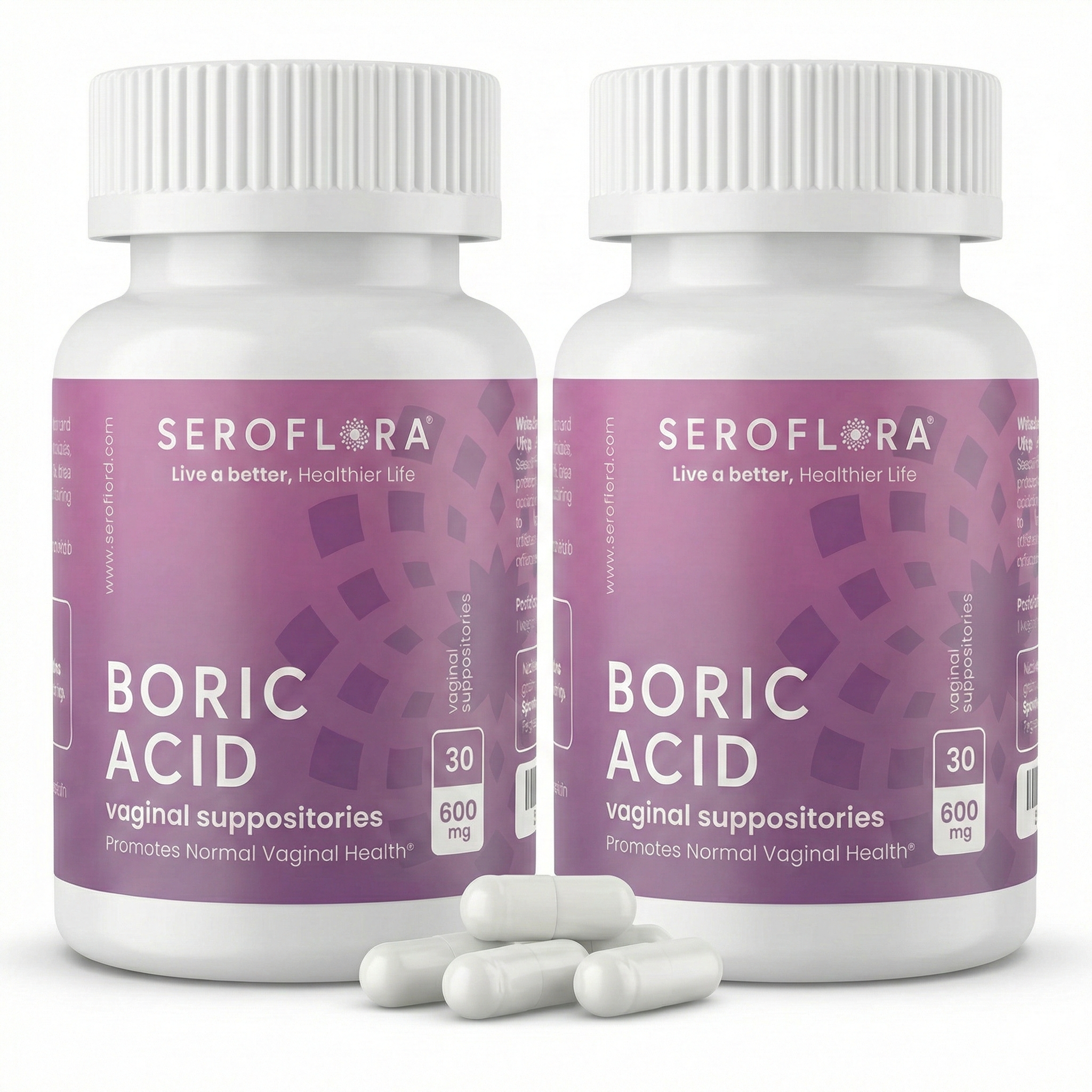
Boric acid vaginal suppositories are small capsules you place inside the vagina. They contain boric acid, a compound that has been studied as a treatment option for certain vaginal symptoms. At VuVatech, we want you to understand what this product is, and what the evidence does and does not show, before you decide anything.
Boric acid suppositories are most often discussed for recurrent bacterial vaginosis and vaginal yeast infections.
Boric acid is studied for these conditions, but the evidence is limited, and it does not replace a diagnosis.
Boric acid has been studied as a treatment option for vaginal conditions, but the evidence base is still developing.
Our Boric Acid Suppositories (30ct, 2 bottles) are available at boric acid suppositories, 30 count with two bottles if you want to review the product details.
How Boric Acid May Affect Vaginal pH and Balance
Boric acid is thought to help support a healthy vaginal environment. The vagina normally has an acidic pH, and a healthy balance of bacteria helps keep it that way. When that balance shifts, symptoms like odor, discharge, and irritation can follow.
Some researchers have proposed that boric acid may help support balance in the vaginal environment, though no single mechanism applies to every person.
Keep in mind that pH is only one part of the picture. Many factors, including infection, hormones, antibiotics, and hygiene habits, can influence vaginal balance. A change in pH does not tell you what is causing your symptoms.
If you want to understand how the product is formulated, you can review Seroflora Boric Acid Vaginal Suppositories 600mg 30 Count on our site.

Using Boric Acid for Vaginal Odor and When It Makes Sense
Vaginal odor is common, and it often has ordinary causes such as sweat, menstrual blood, or sexual activity. A normal vaginal odor is usually mild. A strong, fishy, or unusual smell can point to an infection, which is why a clinician should look at persistent or changing odor.
Boric acid suppositories are marketed for odor concerns, but this use is not the same as treating a diagnosed infection. A product that helps with odor may not address the underlying cause. If odor comes with discharge, itching, pain, or burning, get a proper evaluation first.
Boric acid may make sense for some people as part of a broader plan, especially when a clinician has confirmed the cause of symptoms. For odor that is not linked to an infection, simple steps like gentle washing with warm water and wearing breathable underwear are often recommended.
How to Use Boric Acid Suppositories Step by Step
Always read the label that comes with your product and follow its directions. The steps below describe general use, and they are not a substitute for medical advice.
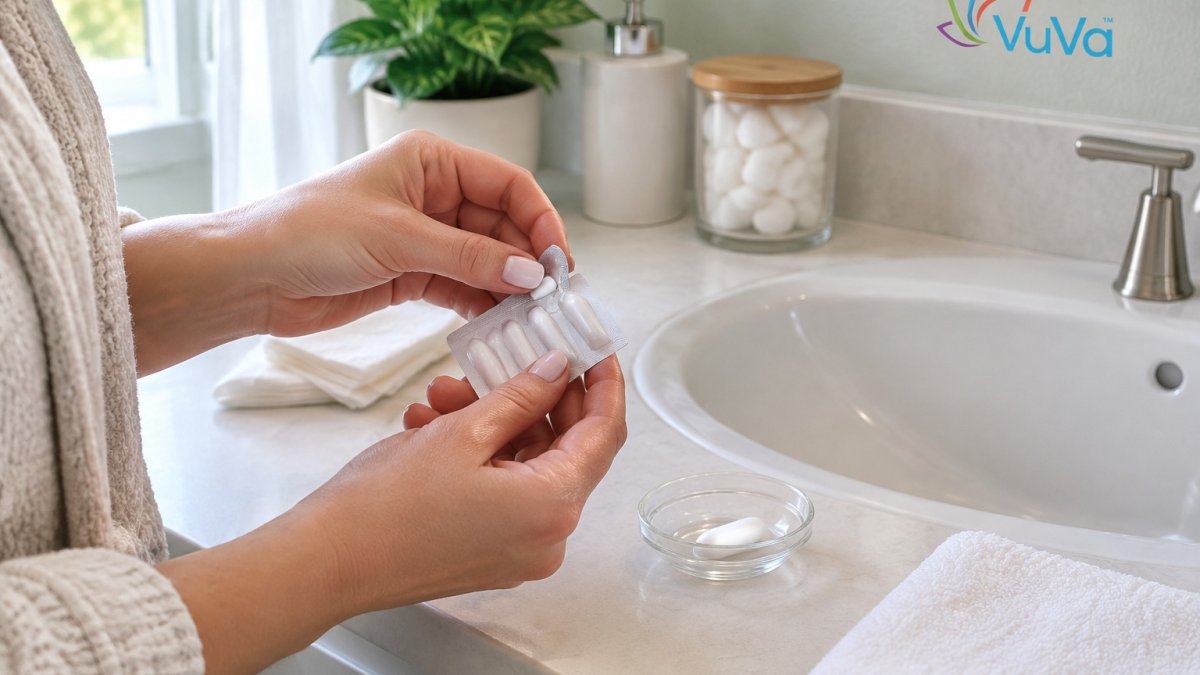
- Wash your hands with soap and water before you start.
- Remove the suppository from its blister pack. Do not use a broken or damaged capsule.
- Lie down on your back or sit in a comfortable position.
- Insert the capsule gently into the vagina, using a clean applicator if your product includes one.
- Wash your hands again after use.
- Keep a panty liner handy, because some leakage or discharge can occur.
If you are using an applicator, the Boric Acid Vaginal Suppositories with Applicators (30/7ct) pack includes applicators designed for smooth, comfortable insertion.
Stop using the product and talk to a clinician if insertion causes pain, bleeding, or irritation.
How Long to Use Boric Acid for a Yeast Infection
Here is the honest answer: the right duration depends on which condition is being treated, and the evidence is not the same for every condition. That distinction is where most articles blur the lines, so let me separate them.
For recurrent bacterial vaginosis, boric acid is the condition it is most often discussed for. The evidence is limited, mostly small observational work, and it does not tell us the ideal number of nights. Many clinicians who use boric acid for recurrent BV pair it with a prescription regimen and use it for a defined short course rather than indefinitely.
For yeast infections, the picture is thinner. Boric acid is sometimes discussed as an option for recurrent vulvovaginal candidiasis, particularly when the yeast is not responding to standard azole treatment, but the published evidence is smaller and more mixed than the BV evidence. You can browse the yeast infection support products collection to compare supportive options alongside this information.
What this means practically:
- Follow the directions on your specific product label for the number of nights and the total course.
- Do not extend a course on your own because symptoms are lingering. If symptoms are not improving within the timeframe your clinician or label specifies, that is a reason to check in, not to double up.
- If symptoms return after a course, that pattern matters. Recurrence is a clue that the underlying cause needs a proper look, culture, sensitivity testing, or a review of hormones, antibiotics, and other triggers.
- Yeast and BV are different infections with different treatments. Using a boric acid suppository for the wrong one can delay the right care.
A word on what "working" looks like: some people notice less discharge and irritation within a few days, while others need the full course before anything shifts. If you develop worsening burning, new bleeding, or pelvic pain during treatment, stop and get evaluated rather than pushing through.
If painful insertion is part of your story, whether from tightness, dryness, or anxiety around penetration, that is a separate issue from the infection itself, and it deserves its own plan. That is exactly why I created VuVa Magnetic Dilators: progressive sizes and a patented design with permanently enclosed neodymium magnets, so a paced stretching routine can be built around your comfort rather than against it. You can explore the VuVa Magnetic Dilator collection when you are ready.
Which VuVa Magnetic Dilator Set Should You Start With?
VuVa sets are organized by progression, not by a single "best" size. Sizes 1-4 make up the smaller beginner progression; 3-6 is the intermediate range; 5-7 is the larger progression; and the Full Set 1-7 gives the broadest range if you are not sure where you will land. For most people starting after pain, tightness, or a long break from penetration, the 1-4 set is the most relevant starting point. Begin with the smallest size you can use comfortably and never force insertion, if it does not glide in with gentle pressure and breathing, drop back a size. One important note: Size 1 has no magnet, even when it ships inside a magnetic set, so it is a pure stretching starting point. You can compare measurements on the VuVa dilator size charts before choosing.
Not sure where to start? Explore VuVa Magnetic Dilator sets and find a comfortable starting size, and keep the boric acid conversation with your clinician separate from the dilation conversation, because they answer different questions.
The right duration depends on which condition is being treated, and the evidence differs between them.
| Condition | Evidence level | What to do |
|---|---|---|
| Recurrent bacterial vaginosis | Limited, mostly small observational work | Follow label; often a defined short course |
| Recurrent yeast infection | Smaller and more mixed than BV evidence | Discuss with a clinician first |
| Symptoms not improving | Not a reason to extend on your own | Check in with your clinician |
| Symptoms return after a course | A clue the cause needs a proper look | Culture, sensitivity testing, or review |
Symptom rates before and after boric acid treatment
Side Effects of Boric Acid Suppositories and Safety Precautions
Boric acid is for vaginal use only. This is the most important safety point in this article: boric acid should never be swallowed. It is not a supplement, it is not a douche additive, and it should never be taken by mouth.
Watch out: If someone swallows a boric acid suppository, a child who finds an open bottle, a pet that chews through packaging, or an adult who mistakes it for an oral capsule, do not wait for symptoms. In the United States, call Poison Control right away at 1-800-222-1222, or use the web tool at poison.org.
For vaginal use, the side effects most often reported are local rather than systemic. A common pattern is burning or stinging right after insertion, increased watery discharge, mild itching, or redness around the vaginal opening.
Stop using the product and contact a clinician if you notice:
- Burning or pain that is severe, worsening, or lasts more than a day after insertion
- Bleeding that is not your period
- Swelling, hives, or a rash around the vulva
- Fever, pelvic pain, or a foul discharge that changes character
- Any symptom that feels like an infection getting worse rather than better
Boric acid is not appropriate for everyone. Talk with your healthcare provider before using it if you are pregnant or breastfeeding, if you have kidney problems, if you have open cuts or sores in or around the vagina, or if you have any chronic health condition.
One more precaution that comes up less often than it should: boric acid suppositories are not a lubricant and should not be used during intercourse.
If you have an implanted electronic medical device, check with your device care team before starting any new vaginal product, and follow the labeling on the product you are using. None of this is meant to scare you away from a treatment your clinician has recommended, it is meant to make sure the decision is an informed one.
Next Steps: Get a Diagnosis Before Choosing a Treatment
Vaginal symptoms have many possible causes, including bacterial vaginosis, yeast infections, sexually transmitted infections, skin conditions, and hormonal changes. Because the same symptoms can come from different causes, guessing can delay the right care.
Book a visit with a healthcare professional if your symptoms are new, recurring, severe, or accompanied by fever, pelvic pain, or unusual discharge. A clinician can test for the cause and recommend a treatment that fits your situation.
Once you have a diagnosis, you can decide with your provider whether a product like boric acid is appropriate. Our team at VuVatech is here to help you understand the products we offer, and we encourage you to make informed decisions with your healthcare provider.
Frequently Asked Questions
Will boric acid take away a fishy smell?
Boric acid is marketed for vaginal odor, and some people find it helps with odor that comes from imbalance. A fishy smell can also come from bacterial vaginosis, which often needs a clinician's diagnosis and sometimes prescription treatment. If odor is strong, new, or comes with discharge, itching, or burning, see a healthcare provider before relying on boric acid alone. Odor that persists after treatment is also a reason to get checked.
Do gynecologists recommend boric acid?
Some clinicians do discuss boric acid as an option, particularly for recurrent or resistant vaginal infections, and sometimes alongside prescription antifungal or antibiotic treatment. Others prefer standard treatments first. Current evidence is limited, so it cannot prove effectiveness for everyone. Ask your provider whether boric acid suits your situation.
Can boric acid suppositories cause side effects?
Yes. Some people experience vaginal burning, irritation, or discharge after using boric acid suppositories. Stop using them and contact a healthcare provider if irritation is significant or does not settle. Boric acid is for vaginal use only, so keep the product away from children and pets and never take it by mouth. Pregnant people and anyone who is breastfeeding should check with a clinician before use.
How long should you use boric acid for a yeast infection?
Product labels and clinical discussions describe short courses, but the right duration depends on the diagnosis and on whether the infection is uncomplicated or recurrent. Because yeast infection symptoms overlap with other conditions, confirm the diagnosis first. If symptoms do not improve within the period a clinician recommends, or they return, arrange a follow-up appointment rather than extending treatment on your own.


