


Last Updated: November 13, 2026
Quick Summary
Painful sex after menopause is often caused by lower estrogen, which can thin and dry vaginal tissue so penetration feels raw or tight. Pelvic floor muscle tension can add to the pain, which is why lubricant alone may not fix it. A clinician can help identify the cause and suggest a plan that fits.
- Painful intercourse is reported by 20% to 59% of perimenopausal and postmenopausal women.
- Lower estrogen can reduce natural lubrication and vaginal stretchiness, according to Johns Hopkins Medicine.
- Thinner tissue is more easily irritated by friction, which can make sex feel like sandpaper.
- Persistent pain after using lubricant is a reason to see a medical provider, not to push through.
- Seek medical evaluation for unexplained bleeding, unusual discharge, fever, or significant or worsening pain.
Table of Contents
- Why Sex Can Still Hurt After Menopause
- Why Vaginal Dryness After Menopause Changes Penetration
- Painful Sex After Menopause Even With Lubricant: What It Usually Means
- Treatment for Painful Sex After Menopause: Options to Discuss With Your Clinician
- Where Vaginal Dilators Fit Into Painful Sex Care
- When to See a Doctor About Pain After Menopause and Your Next Steps
- Frequently Asked Questions
Why Sex Can Still Hurt After Menopause
If sex feels like sandpaper after menopause, you are not imagining it, and you are not alone. Painful intercourse is common after menopause, and it often has a physical cause that lubricant alone may not fix.
Tara Langdale created VuVa after living with painful intimacy herself, so she knows how isolating this can feel. Painful sex is worth talking about openly with a clinician.
What the Numbers Say About Painful Sex
Painful sex is more common than many people expect. A critical review of postmenopausal dyspareunia estimated deep pain during intercourse in 8% to 16% of postmenopausal women in outpatient samples (Dyspareunia in postmenopausal women: A critical review). Estimates vary widely between studies, though. UC Davis Health reports that painful intercourse is reported by 20% to 59% of perimenopausal and postmenopausal women (UC Davis Health article on less sex during menopause and sexual pain).
Why Vaginal Dryness After Menopause Changes Penetration
Lower estrogen is a prominent explanation for painful sex after menopause. Mayo Clinic says painful intercourse after menopause is often linked to decreased estrogen, and Johns Hopkins Medicine notes that lower estrogen can reduce natural lubrication and vaginal stretchiness (Mayo Clinic News Network on menopause and painful intercourse).
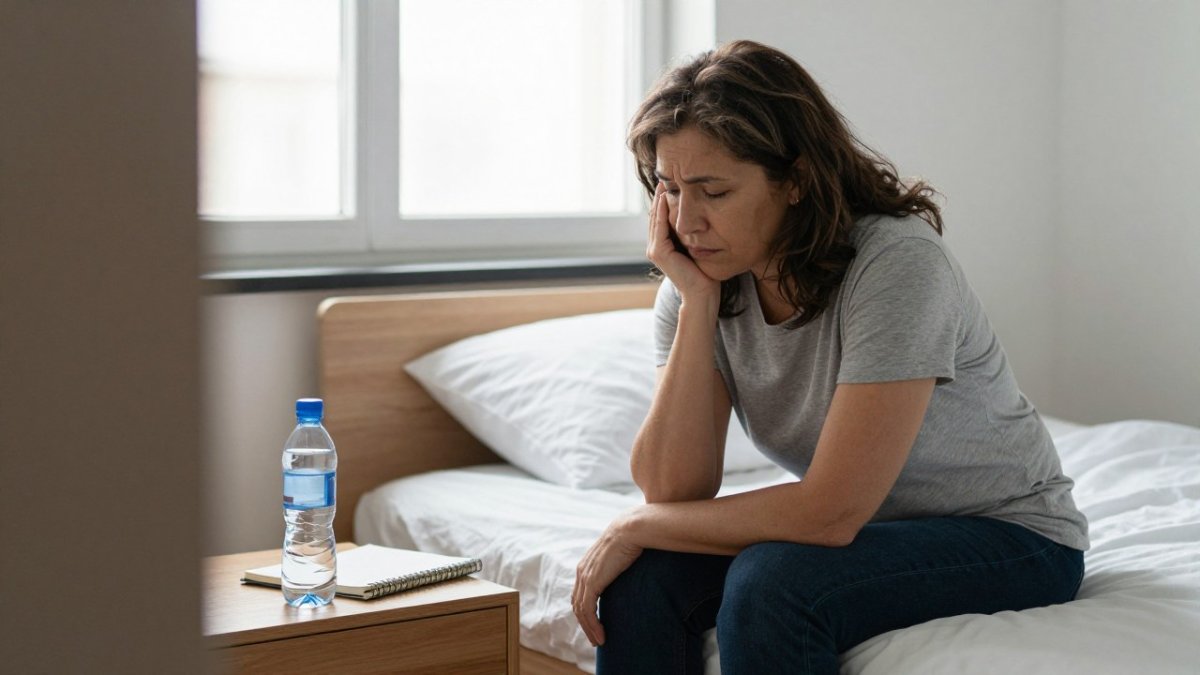
That shift can make penetration feel tight, dry, or raw.
Thinner Tissue and Reduced Elasticity
Less estrogen can make vaginal tissue thinner and less flexible. Thinner tissue is more easily irritated by friction, which is why sex can feel like sandpaper even when you are aroused.
Many readers describe this as a feeling of burning or tearing at the opening. Johns Hopkins Medicine connects these changes to reduced stretchiness in the vaginal canal (Johns Hopkins Medicine on menopause and vaginal changes).
Pelvic Floor Tension as a Second Factor
Dryness is not the only possible cause. Pelvic floor muscles can tighten involuntarily when a person expects pain, and that tension can make penetration harder even when the tissue itself is healthy.
So painful sex after menopause may involve more than one factor. That is one reason a clinician's assessment matters.
Painful Sex After Menopause Even With Lubricant: What It Usually Means
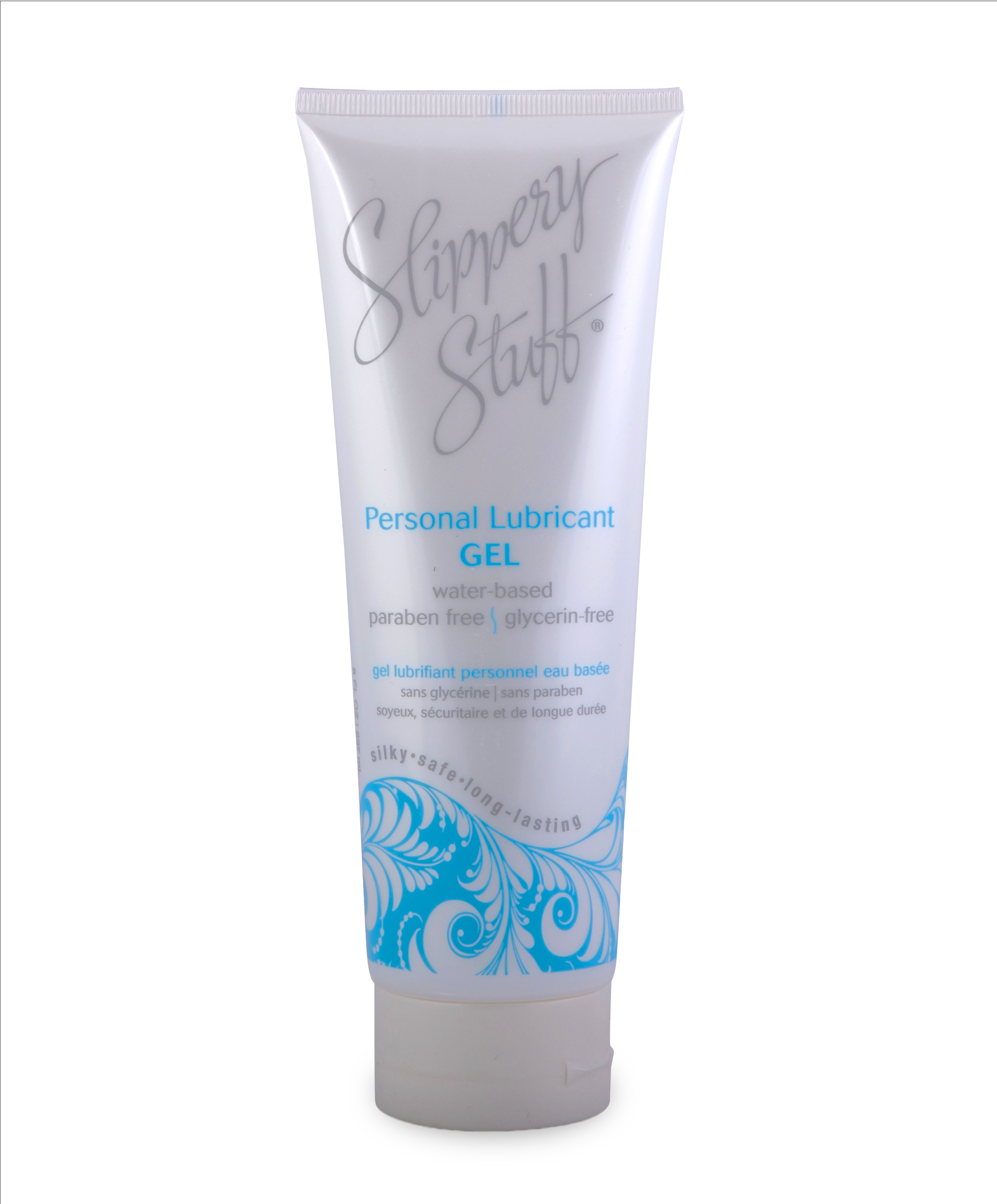
If you use lubricant and still feel pain, that is a useful clue. A water-based option like Slippery Stuff Gel Personal Lubricant can reduce friction, but lubricant does not change the underlying tissue or muscle tension.
Persistent pain after using lubricant is a reason to get checked with a medical provider, not a reason to push through.
Treatment for Painful Sex After Menopause: Options to Discuss With Your Clinician
There is no single fix for painful sex after menopause, because the pain usually has more than one contributor. A practical way to think about treatment is to match the option to what you are actually feeling, dryness and friction, tissue fragility, muscle tension, or a mix of all three. Below is how the main options compare in everyday use, what to realistically expect, and where each one has limits.
Lubricants: For Friction During Sex
Lubricants are used at the time of intimacy to reduce friction. Water-based lubricants are the most versatile and are compatible with most condoms and toys; silicone-based lubricants tend to last longer but can degrade silicone toys; oil-based products can be irritating for some people and are not condom-compatible.
Watch out: If lubricant stings or burns on contact, stop using it and mention the reaction to your clinician; some people react to preservatives, glycerin, or fragrances.
Vaginal Moisturizers: For Ongoing Dryness
Moisturizers are used regularly, typically a few times a week, separate from sex, to maintain tissue moisture rather than to lubricate during intercourse. They are a reasonable first step for everyday dryness and can be used alongside lubricants. They do not change tissue thickness or elasticity, so they are not a substitute for clinician-guided treatment when tissues are fragile.
Prescription Vaginal Estrogen and Other Menopause Therapies
Local vaginal estrogen is commonly discussed for thinning, dryness, and recurrent urinary or vaginal irritation related to genitourinary syndrome of menopause.
Watch out: If you have a history of hormone-sensitive cancer or other conditions that affect hormone use, do not assume vaginal estrogen is right for you, this is exactly the kind of decision to make with your clinician, who can discuss nonhormonal alternatives.
Pelvic Floor Physical Therapy
When pain involves muscle tension, guarding, or pain with insertion that persists even when tissue is moisturized, pelvic floor physical therapy is often the most targeted option. A pelvic floor physical therapist assesses muscle tone, coordination, and breathing patterns, and teaches down-training and relaxation techniques. This is different from general relaxation advice, it is specific, hands-on care.
Gradual Dilation
Dilation is a paced stretching routine using graduated tools. It is used to gently and progressively accustom tissue and muscles to insertion, and it is typically one part of a broader plan rather than a standalone cure. It works best when paired with clinical assessment, appropriate lubrication, and, when muscle tension is a factor, pelvic floor therapy.
Realistic Timelines
Timelines vary by option and by person. Moisturizers may ease everyday dryness within days to a couple of weeks. Vaginal estrogen typically takes several weeks of regular use before noticeable change. Pelvic floor therapy and dilation are skill-building processes that usually take weeks to months of consistent practice. Ask your clinician what progress to expect, and plan a check-in rather than judging success after one attempt.
Matching the Option to the Pain
A useful starting point is to notice where and when the pain happens. Pain at the opening with friction points toward dryness and tissue fragility. Pain that feels like tightness or a block, especially with anticipation, points toward muscle tension. Burning that persists after sex or occurs without penetration may warrant evaluation for other causes.
The main options differ in what they target and how long they take to work.
| Option | Best for | Key difference |
|---|---|---|
| Lubricants | Friction during sex | Used at the time of intimacy; does not change tissue |
| Vaginal moisturizers | Ongoing dryness | Used regularly, separate from sex |
| Prescription vaginal estrogen | Thinning and dryness | Typically used regularly; improvement takes several weeks |
| Pelvic floor physical therapy | Muscle tension or guarding | Hands-on, specific assessment and training |
| Gradual dilation | Tolerance to insertion | Paced routine, usually part of a broader plan |
Where Vaginal Dilators Fit Into Painful Sex Care
Dilators are firm, graduated tools used to stretch the vaginal canal slowly and gently. They are not a treatment for a diagnosis on their own, and they are usually used alongside clinical care rather than instead of it.
VuVa Magnetic Dilators were invented by Tara Langdale and are covered by US Patent 9,687,274. Their design uses permanently enclosed neodymium magnets and comes in progressive sizes, which supports a carefully paced routine.
A Practical Step-by-Step Plan for Resuming Comfortable Intimacy
A common pattern that works well is to treat dilation as a low-pressure practice, separate from sex at first, and to build tolerance before adding partnered intimacy back in.
- Get assessed first. Have a clinician evaluate the pain, especially if you have bleeding, unusual discharge, persistent irritation, or pain that has changed. Dilation is not appropriate for everyone, and it should not be used to push through an undiagnosed problem.
- Start with the smallest size you can use comfortably. Use plenty of lubricant, go slowly, and stop at the first sign of significant pain. The goal is gentle stretch, not endurance.
- Practice briefly and consistently. Short, frequent sessions are generally easier to tolerate than long, occasional ones. Many people find a relaxed setting, warm room, and slow breathing help.
- Progress only when the current size feels easy. Move up a size when insertion and gentle stretch feel comfortable, not on a fixed schedule.
- Add pelvic floor care if tension is part of the picture. If insertion feels blocked or you catch yourself bracing, pelvic floor physical therapy can address the muscle side while dilation addresses tolerance.
- Reintroduce intimacy gradually. Once dilation feels comfortable, you can practice with a partner at a pace that feels safe, with clear communication and the option to stop at any point.
Watch out: If dilation consistently causes sharp pain, bleeding, or a feeling of being blocked no matter how slowly you go, pause and talk with your clinician rather than forcing progress.
Entry Pain vs. Deep Pelvic Pain
Where the pain happens matters. Pain at the opening or just inside, burning, stinging, or a feeling of tearing, often relates to dryness, tissue fragility, or irritation at the vestibule. Pain that feels deeper, like pressure or aching in the pelvis, can point toward muscle tension, pelvic floor dysfunction, or other causes that need a different evaluation.
Red Flags and What an Evaluation May Involve
Seek medical evaluation for unexplained bleeding, unusual discharge, fever, significant or worsening pain, persistent irritation, or pain that does not improve with reasonable measures.
Dilators are not appropriate for everyone. Check with your clinician before starting, especially if you have significant pain, infection, unexplained bleeding, or an implanted electronic medical device. Magnetic products should not be used with an implanted electronic device without medical advice.
When to See a Doctor About Pain After Menopause and Your Next Steps
See a clinician if sex is painful, if lubricant and moisturizer do not help, or if you notice bleeding, unusual discharge, or persistent irritation.
Bring a list of questions to your appointment.
Not sure where to start? Explore VuVa Magnetic Dilator sets and find a comfortable starting size, after you have talked with your clinician.
About the author: Tara Langdale is the founder and inventor of VuVatech. She created VuVa in 2014 and holds US Patent 9,687,274.
Frequently Asked Questions
What is the best product for painful sex after menopause?
No single product fits everyone, because painful sex after menopause can come from dryness, thinner tissue, pelvic floor tension, or a combination. Many people start with a water-based lubricant or a vaginal moisturizer, which address dryness rather than the underlying tissue changes. If discomfort continues, a clinician can discuss vaginal estrogen or other nonhormonal options. Gentle vaginal dilators are another option some people use with clinical guidance, especially when tightness or fear of penetration is part of the picture. A clinician can help you match the approach to your symptoms.
Does sex ever stop hurting after menopause?
For many people, yes, but it often depends on identifying and treating the cause. Pain linked to low estrogen tends to improve when the vaginal tissue is treated, whether with moisturizers, vaginal estrogen, or other clinician-directed options. Pain that involves pelvic floor tension may respond to pelvic floor physical therapy. Research suggests that regular sexual activity may be associated with fewer symptoms, though more study is needed. If sex has hurt for a long time, a gynecologic evaluation can help clarify what is happening.
Why does sex hurt after menopause even with lubricant?
Lubricant reduces friction on the surface, but it does not change the tissue itself. Lower estrogen after menopause can make the vaginal lining thinner, less elastic, and more fragile, so it can tear or irritate even when it is slippery. Pelvic floor muscles may also tighten in response to pain, which makes penetration harder regardless of lubrication. If pain continues despite a good lubricant, the cause may be tissue-related or muscle-related, and a clinician can help sort out which.
When should I see a doctor about vaginal pain after menopause?
See a doctor if sex or insertion is painful, if you notice bleeding after intercourse, or if irritation, burning, or discomfort persists despite moisturizers and lubricant. Any unexplained bleeding after menopause should be evaluated promptly. Signs of infection, such as unusual discharge or odor, also warrant a visit. A gynecologist or other clinician can examine the area, rule out other causes, and discuss treatments that fit your health history. Describing when the pain happens and how long it lasts will help the appointment.


