


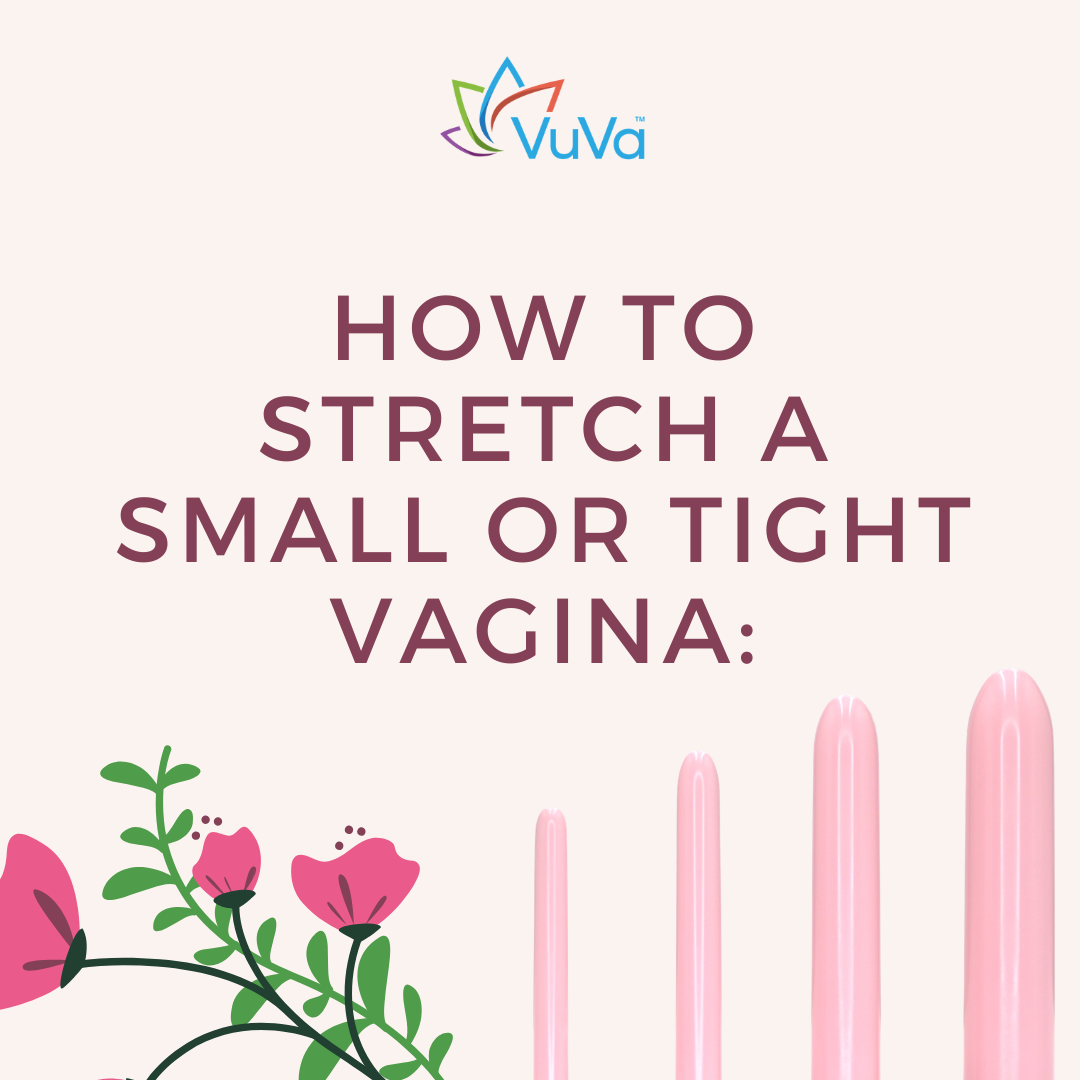
If you’ve ever felt like your vagina is “too small,” “too tight,” or that penetration just doesn’t feel comfortable—you are absolutely not alone.
This is one of the most common concerns people quietly search for, yet it’s rarely talked about openly. It can show up as discomfort during intimacy, difficulty inserting tampons, or a general feeling of tightness that doesn’t seem to improve.
The important truth is this:
In most cases, your vagina isn’t “too small”—it’s responding to muscle tension, sensitivity, or protective patterns in the body.
And the good news is that there are safe, evidence-based ways to improve comfort and flexibility over time.
What Does It Mean to Have a “Tight” or “Small” Vagina?
The vagina is naturally elastic and designed to stretch. It can adapt to different sizes and return to its baseline state.
When people describe it as “too tight,” what’s usually happening is:
-
The pelvic floor muscles are not relaxing properly
-
The body is guarding against discomfort or anticipated pain
-
There may be dryness or tissue sensitivity
So rather than needing to “force stretching,” the goal is to:
-
Improve muscle relaxation
-
Gradually increase tolerance to insertion
-
Support the nervous system in feeling safe
What Causes Vaginal Tightness?
There are several medically recognized reasons for tightness or discomfort:
1. Pelvic Floor Muscle Tension
Also known as hypertonic pelvic floor dysfunction, this occurs when muscles stay contracted instead of relaxing.
2. Vaginismus
An involuntary tightening of muscles during attempted penetration. This is often linked to both physical and emotional factors.
3. Hormonal Changes
Lower estrogen levels (common postpartum or during menopause) can lead to:
-
Dryness
-
Thinner tissue
-
Increased discomfort
4. Pain Anticipation (Nervous System Response)
If the body expects pain, it may automatically:
-
Tighten muscles
-
Increase sensitivity
-
Create a cycle of discomfort
5. Stress or Past Experiences
The pelvic floor is closely connected to the nervous system. Emotional stress or past trauma can contribute to muscle guarding.
What Does It Feel Like?
People often describe:
-
A feeling of hitting a “wall”
-
Burning or stinging with insertion
-
Pain during intimacy
-
Difficulty inserting tampons
-
Anxiety or hesitation around penetration
These experiences are real and valid, even if exams come back “normal.”
Why Is This Often Overlooked?
Many pelvic floor conditions don’t show up on standard exams, which can lead to:
-
Being told everything is “fine”
-
Lack of clear answers
-
Delayed treatment
However, research from sources like the NIH and Mayo Clinic shows that pelvic pain and dysfunction are common and treatable, especially when approached from a muscle + nervous system perspective.
How Can You Safely Stretch and Relax a Tight Vagina?
The key is gentle, gradual progression—not forcing anything.
1. Pelvic Floor Physical Therapy
This is one of the most effective, evidence-based treatments.
A pelvic floor therapist may help with:
-
Muscle relaxation techniques
-
Breath coordination
-
Internal muscle release
-
Body awareness
2. Gradual Dilator Therapy (At-Home or Guided)
Dilator therapy is widely recommended for improving comfort with insertion.
It works by:
-
Starting with a small size
-
Gradually increasing over time
-
Helping the body adapt without pain
This approach supports:
-
Muscle relaxation
-
Reduced sensitivity
-
Increased confidence
How Pelvic Floor Therapy Sets May Help
Pelvic floor therapy sets—like graduated dilator systems—are designed to support this process in a structured, gentle way.
They may help by:
-
Allowing gradual progression between sizes
-
Supporting neuromuscular retraining
-
Helping the body become more comfortable with insertion
-
Encouraging consistency in a safe, controlled way
What to Look for in a Quality Set
-
Multiple graduated sizes
-
Smooth, body-safe materials
-
Clear instructions for use
A thoughtful progression is key—this is not about pushing through discomfort, but building comfort over time.
How to Use a Therapy Set Safely
If you’re using a pelvic floor therapy set, consider these best practices:
-
Start with the smallest size
-
Use plenty of lubrication to reduce friction
-
Never force insertion
-
Practice slow, deep breathing
-
Keep sessions short and consistent
Consistency matters more than intensity.
What Role Does the Nervous System Play?
Pain and tightness are not just physical—they are also influenced by the central nervous system.
Some individuals have a more sensitive pain response, meaning:
-
Muscles tighten more easily
-
Pain signals feel stronger
-
Progress may take more time
This is why a calm, gradual, and supportive approach is essential.
Can a Tight Vagina Become More Comfortable?
Yes, in many cases.
With consistent, gentle approaches, people often experience:
-
Less pain
-
Improved flexibility
-
Greater comfort with insertion
-
Increased confidence and control
Progress may be gradual—but it is absolutely possible.
When Should You Seek Professional Help?
You may benefit from professional support if you experience:
-
Ongoing pain with penetration
-
Inability to insert tampons
-
Pelvic pain affecting daily life
-
Anxiety or fear related to insertion
A pelvic floor specialist can help guide your progress safely.
Frequently Asked Questions
Is my vagina actually too small?
In most cases, no. It’s more about muscle tension than size.
Can I stretch it quickly?
Trying to rush the process can increase discomfort. Gradual progression works best.
How long does it take?
This varies, but many people notice improvement within weeks to months.
Is it okay to do this at home?
Yes, many people do—though some benefit from professional guidance.
A Supportive, Realistic Approach
If you’re dealing with tightness or discomfort, it’s not something you need to push through or feel discouraged about.
Your body is adaptable—and with the right support, it can learn to relax, expand, and feel comfortable again.
Pelvic floor therapy tools can be part of that process, offering a structured and gentle way to rebuild comfort and confidence over time.
Medical Disclaimer
This content is for educational purposes only and is not intended as medical advice. Always consult with a qualified healthcare provider regarding any medical concerns or treatment decisions.
References
-
National Institutes of Health (NIH) – Chronic Pelvic Pain Overview
-
Mayo Clinic – Dyspareunia (Painful Intercourse)
-
Cleveland Clinic – Vaginismus and Pelvic Floor Dysfunction
-
American College of Obstetricians and Gynecologists (ACOG) – Female Sexual Pain Disorders
-
Reissing, E. et al. (2005). Vaginismus: Review of etiology and treatment. Journal of Sexual Medicine


