


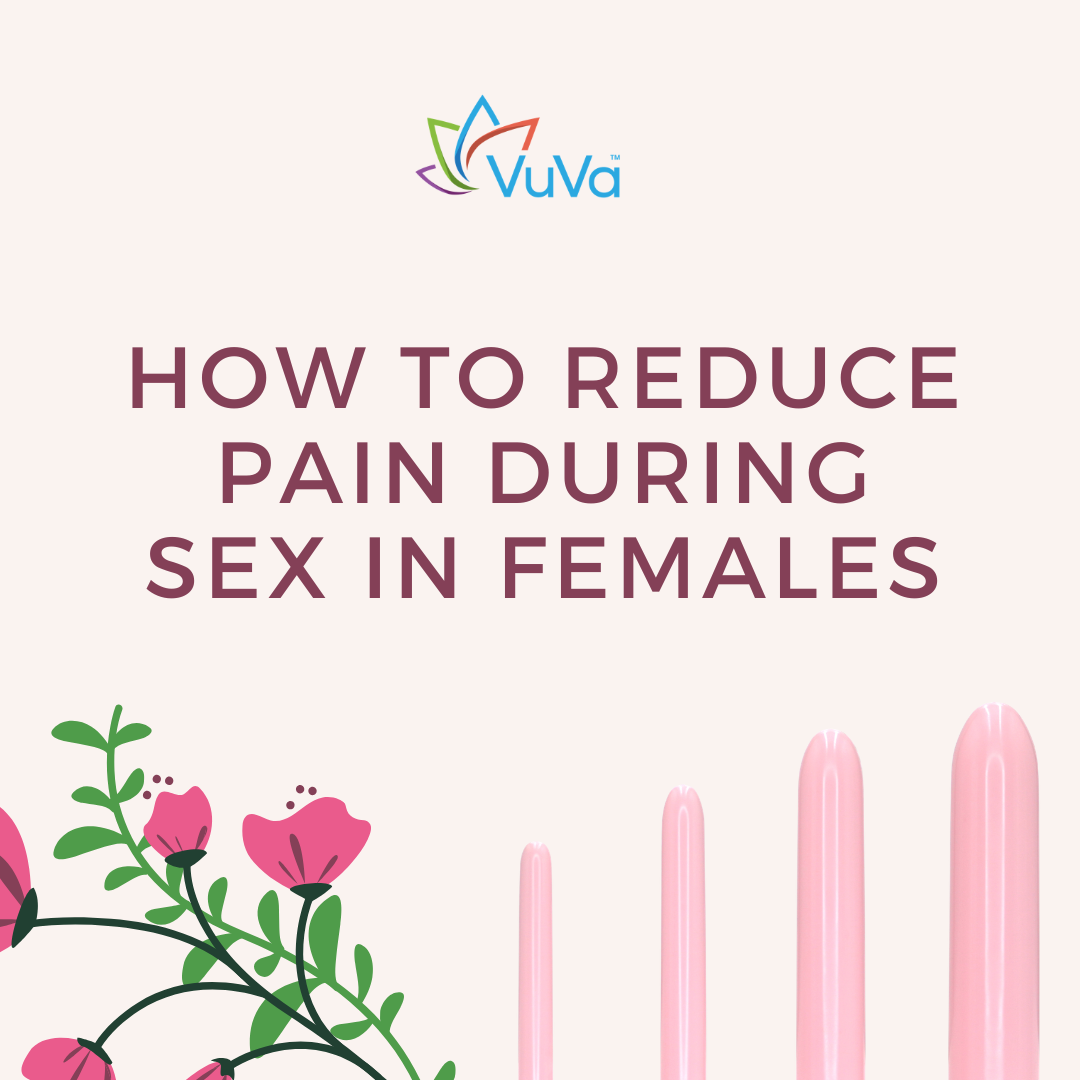
So yeah, if sex has been painful, you’re really not the only one dealing with it. It can come from simple things like dryness or tightness, or sometimes more complex stuff. Even stress can make it worse without you realizing it. Some quick fixes like slowing down, using lube, or changing positions can help a bit, but that’s not always the full solution. At some point, it’s about figuring out what your body is trying to tell you. And, just to say it clearly, this isn’t something you should just ignore or push through.
Late-Night Thoughts and Real Concerns
I remember those late nights, like around 3 AM, just staring at the ceiling or scrolling on my phone, wondering why sex hurts sometimes. You type stuff into Google, hoping for real answers, not that generic advice, like, relax more or add foreplay. It feels frustrating because the pain is actually there, and it is not just imagined or something.
What Pain During Sex Actually Means
Pain during sex, they call it dyspareunia, I think, it is your body trying to tell you something is off. Kind of like if you had a headache that would not go away, you would not brush it off, so why do that here? It can show up in different ways, and ignoring it probably makes it worse.
Different Types of Pain You Might Feel
Superficial Pain (At the Entrance)
One type is that sharp burning feeling right at the entrance, like superficial pain. It might come from:
Dryness down there
Some nerve thing called vulvodynia
Infections like yeast or STIs
Skin issues
Scars from having a baby or surgery
Deep Pain (During Penetration)
Then there is deeper pain, more like cramping or pressure when things go further in. That often ties to:
Tight muscles in the pelvic area
Conditions like endometriosis
Fibroids
Cysts on the ovaries
Inflammation inside
When Muscles React on Their Own
Sometimes the muscles tighten up on their own. That is vaginismus, making it hard or impossible to even try penetration. It is not like you are messing up on purpose, it is more of a reflex to protect yourself.
Hormones and Their Role
Hormones mess with this a lot too, I am not totally sure how it all connects, but:
Low estrogen can make tissues thinner and drier, leading to more friction and hurt
This happens in menopause, while breastfeeding, or from pills
Low testosterone might lower how much you want it or feel it, turning pleasure into discomfort instead
What Can Help Right Away
Right away, using lubricant helps a ton. Do not skip it even if you think you do not need it yet.
Water-based ones are easy to wash off
Silicone ones last longer
Oil-based ones can work but watch out with condoms
Other things that help:
Taking time to get aroused
Not rushing, as rushing adds friction
More foreplay
Relaxing and reducing stress
Positions where you are in control, like on top or side by side
Adjusting as needed
Long-Term Solutions to Look Into
For longer term stuff:
Pelvic floor therapy seems really effective, it teaches you to relax those muscles and coordinate better, cutting down on triggers
Dilators are another thing, like tools to slowly get your body used to penetration again, at your own speed
Doctors might suggest:
Hormones
Treating infections
Meds for nerve pain
It all depends on what is causing it.
The Mind-Body Connection
It is not all physical either:
Stress or bad past experiences can make your body tense without you noticing
It becomes a cycle:
Pain leads to worry
Worry tightens muscles
More pain
Breaking that loop matters.
Lifestyle Changes That Can Help
Lifestyle tweaks help, like:
Not sitting all day
Keeping posture straight
Building core strength
Bathroom habits:
Take your time
Do not strain
Prop your feet up
Exercise:
Keep it low key
Breathe through it
Skip the super intense ones if they hurt
When You Should Get Help
You should get help if:
Penetration always hurts
There is pressure like something bulging
Issues with bladder or bowels
Pelvic pain that sticks around
Self-care does not change anything
What Recovery Looks Like
Recovery is not quick:
First couple weeks — you just figure it out
Around a month — early signs show
Two to three months — noticeable changes
Up to half a year — real progress
It takes time, but it gets better.
Different Life Stages Matter Too
Across different stages:
Pregnancy
Start exercises early
Follow what professionals say
Menopause
Keep muscles strong
Use lube if dryness hits
Aging
Stay moving
Catch problems early
Final Thought
Some people think it is normal to hurt sometimes, but others say no, address it. That part stands out, it is easy to miss how connected everything is.
FAQs:
1. Is it normal for sex to hurt?
No. It’s common, but not normal. Pain is a signal that something needs attention.
2. Can lubrication alone fix the problem?
It helps a lot, but if pain continues, there may be deeper causes.
3. How do I know if my pelvic floor is tight or weak?
Tight muscles cause pain and difficulty relaxing. Weak muscles cause leakage and reduced control. You can also have both.
4. Can stress cause pain during sex?
Yes. Stress tightens muscles and reduces arousal, making pain more likely.
5. Should I stop having sex completely?
Avoid painful experiences, but you can explore other forms of intimacy while healing.
6. How long does it take to recover?
It depends on the cause, but most people see improvement within a few months.
7. What is vaginismus exactly?
It’s when pelvic muscles tighten involuntarily, making penetration difficult or painful.
8. Can young women experience this too?
Yes. Age doesn’t protect against sexual pain.
9. Do I need to see a specialist?
If pain persists, a pelvic floor therapist or trained gynecologist can help.
10. Is painful sex treatable?
Yes. With the right approach, most women experience significant relief.
Citations & References
American College of Obstetricians and Gynecologists (ACOG). (2023). Clinical management guidelines for obstetrician–gynecologists: Dyspareunia and sexual pain disorders. Obstetrics & Gynecology, 141(4), e54–e68.
Binik, Y. M. (2010). The DSM diagnostic criteria for vaginismus. Archives of Sexual Behavior, 39(2), 278–291.
Goldstein, A. T., Pukall, C. F., Brown, C., Bachmann, G., & Goetsch, M. (2021). Vulvodynia: Assessment and treatment. Journal of Sexual Medicine, 18(1), 8–18.
Harlow, B. L., Stewart, E. G., & Keegan, C. (2014). Prevalence and predictors of dyspareunia in the United States. American Journal of Obstetrics & Gynecology, 210(1), 40.e1–40.e8.
Heim, C. (2001). Stress and vulnerability to sexual pain disorders. Psychosomatic Medicine, 63(6), 862–869.
International Society for the Study of Women’s Sexual Health (ISSWSH). (2023). Clinical consensus on management of female sexual pain disorders. Journal of Sexual Medicine, 20(2), 215–232.
Laumann, E. O., Paik, A., & Rosen, R. C. (1999). Sexual dysfunction in the United States: Prevalence and predictors. JAMA, 281(6), 537–544.
Pacik, P. T. (2014). Vaginismus treatment with botulinum toxin and progressive dilation. International Urogynecology Journal, 25(2), 205–212.
Pukall, C. F., Goldstein, A. T., Bergeron, S., Foster, D., Stein, A., Kellogg-Spadt, S., & Bachmann, G. (2016). Vulvodynia: Definition, diagnosis, and management. Journal of Sexual Medicine, 13(4), 607–612.
Reed, B. D., Haefner, H. K., & Edwards, R. M. (2012). Vulvodynia incidence and remission: A population-based study. Obstetrics & Gynecology, 119(5), 1137–1143.
Sadownik, L. A. (2014). Etiology, diagnosis, and clinical management of dyspareunia. International Journal of Women's Health, 6, 437–449.
Wallace, S. L., & Miller, L. D. (2019). Pelvic floor physical therapy in the treatment of pelvic floor dysfunction in women. Current Opinion in Obstetrics and Gynecology, 31(6), 485–493.
Yablon, C. M., & Foster, D. C. (2019). Vaginal dilator therapy for women with sexual pain: Clinical recommendations. Obstetrics & Gynecology Clinics, 46(1), 159–170.
Zolnoun, D. A., Hartmann, K. E., & Lamvu, G. (2006). Evaluation and management of female sexual pain disorders: A clinical update. Obstetrical & Gynecological Survey, 61(5), 295–306.


