


Most pelvic exams don’t actually hurt the way people imagine. It’s more of a pressure or stretching feeling than real pain. That said, if you’re nervous, new to it, or dealing with things like vaginismus or endometriosis, it can feel uncomfortable or even painful. The good part is, small things like asking for a smaller speculum, breathing slowly, and speaking up during the exam can make a big difference.
Sitting in That Exam Room
Sitting in that exam room, everything feels so cold and awkward, like the paper gown keeps making noise no matter what. You look at those stirrups and just wonder if this whole thing is going to hurt. I mean, it’s a common fear, right? I’m writing about this because I’ve read up on pelvic exams and how women often worry about the pain part. It seems like for a lot of people, the uncertainty makes it worse.
Does a Pelvic Exam Hurt?
The truth is, pelvic exams can involve some discomfort, but it’s not always straight up pain. You might feel pressure or stretching inside, kind of like when something presses on your arm but not in a bad way. Most women say it’s bearable, just temporary.
But there are cases where it does hurt more, especially if:
● You have never done this before
● There is tension from anxiety or past experiences
I think the key is that discomfort is normal, but real pain means your body is signaling something off, and it should not be ignored.
What Happens During the Exam
External Check
What happens during the exam starts simple. The doctor looks at the outside, the vulva and all that, checking for any redness or weird discharge. No touching there, so it’s really nothing, just eyes on it.
Speculum Exam
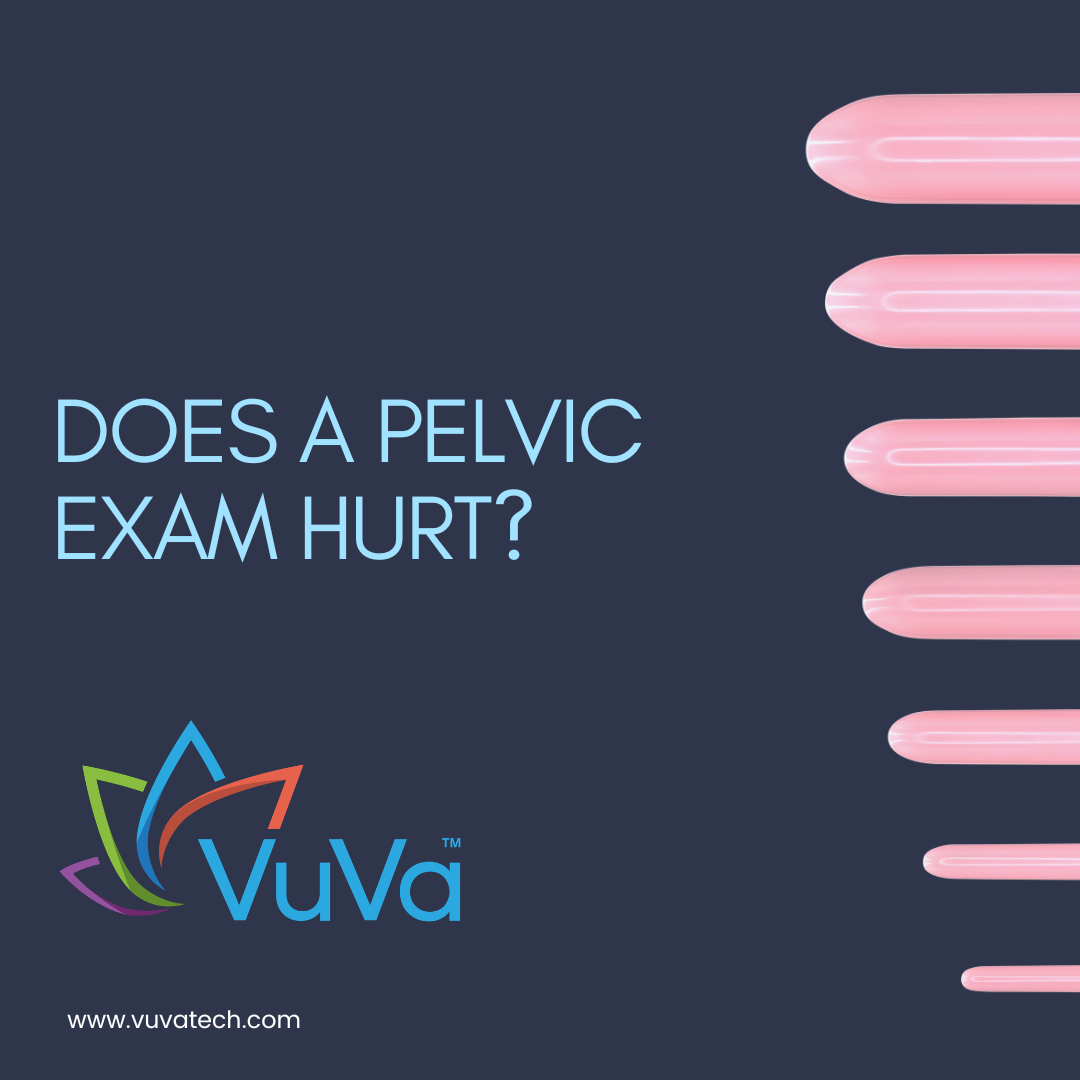
Then comes the speculum, which is that tool they insert to see inside better. It feels cool at first, maybe like putting in a tampon but bigger, and when it opens up, there’s this stretching sensation that some describe as feeling full.
If you tense up, it gets harder, so:
● Breathing helps
● Relaxing your muscles helps
I’ve heard that asking for a smaller one or more lube can make a difference too.
Pap Smear
After that, if you need a Pap smear, they swipe a little brush on the cervix for cells, and it might pinch for a second or two, like a quick cramp. Not everyone notices it much.
Bimanual Exam
The bimanual part is next, with fingers inside and a hand pressing your belly to check the uterus and ovaries. That pressure can feel intense if you have things like endometriosis going on.
If You’re a Virgin
For virgins, it might seem scarier, but it’s not impossible. The muscles could be tighter, or the hymen stretches a bit, causing some brief discomfort, even light spotting. Anxiety plays into it, making everything feel amplified.
What seems to help:
● Going slow
● Using the smallest speculum possible
● Practicing deep breaths ahead of time
It’s not like you have to tough it out.
When Pain Has a Medical Cause
Sometimes pain comes from actual medical issues, such as:
● Vaginismus, where muscles spasm and make insertion really hard
● Vulvodynia, that chronic pain around the vulva that even light touch bothers
● Vaginal atrophy from dryness that irritates tissues
● Infections that make tissues sensitive
● Endometriosis that can cause deep aches during the exam
These are not just in your head, they need addressing.
Understanding the Speculum
The speculum gets a lot of the blame for fears.
You can:
● Ask for a smaller size if you’re nervous
● Ask them to warm the metal one so it’s not so cold
Plastic ones might stay cooler though.
Also, you control the process:
● You can tell them to pause
● You can ask them to go slower anytime
That part stands out as something easy to miss, how much say you actually have.
What Happens After the Exam
Afterward, mild soreness or cramps are expected, maybe some spotting.
But watch for:
● Heavy bleeding
● Bad pain
● Fever
● Odd discharge
If these happen, call the doctor right away.
How to Make It More Comfortable
Before the Appointment
To make it better before the appointment:
● Avoid your period time
● Empty your bladder
● Maybe take something for pain
During the Exam
During the exam:
● Talk openly
● Breathe deep
● Relax the muscles
● Ask to stop if it’s too much
I might be oversimplifying, but preparation breaks the fear cycle, where worry leads to tension and then more worry.
Different Life Stages
Different situations can change how it feels:
● Teens need extra explanation since it’s all new
● Pregnant women usually get gentler exams
● Postpartum bodies feel different
● Menopause brings dryness that can increase discomfort
● Trauma history means providers should be more sensitive
Myths and Reality
Some common myths:
● It should never hurt at all
● Virgins cannot have exams
● Feeling pain means you are being dramatic
Reality is:
● Some discomfort is okay, pain is not
● Virgins can have exams with care
● Pain is valid
If the doctor brushes it off or adjustments do not help, get a second opinion.
Your Rights as a Patient
As a patient, you can:
● Ask questions
● Request changes like a different tool
● Stop the exam
You can also:
● Bring someone for support if it helps
● Switch providers if needed
This stuff matters, though I am not totally sure how everyone handles the anxiety part evenly.
Frequently Asked Questions (FAQ)
1. Does a pelvic exam hurt for everyone?
No, most experience pressure, not pain.
2. Does it hurt if you're a virgin?
It can feel more intense but shouldn't be severely painful.
3. How long does it take?
About 10 to 15 minutes total.
4. Can I refuse it?
Yes, it's your choice.
5. What’s the difference between a pelvic exam and Pap smear?
A Pap smear is one part of the pelvic exam.
6. Do exams hurt more on your period?
They can feel more sensitive.
7. Why is the speculum cold?
It’s usually metal, but can be warmed.
8. Can I bring someone?
Usually yes, check clinic policy.
9. Is bleeding after normal?
Light spotting is normal.
10. What if I have vaginismus?
Tell your provider so they can adjust.
11. How often do I need exams?
Depends on age and health.
12. Can I take pain meds before?
Yes, it can help.
13. What if my pain is ignored?
Seek another provider.
14. Are there alternatives?
Sometimes, depending on your situation.
15. What if I have a trauma history?
Ask for trauma-informed care.
References
Adams, J. A., Harper, K., Knudson, S., & Revilla, J. (2004). Pediatrics.
ACOG. (2023). Obstetrics & Gynecology.
Bachmann, G. A., & Nevadunsky, N. S. (2000). American Family Physician.
Berenson, A. B. et al. (1992). Pediatrics.
Bergeron, S. et al. (2001). Pain.
Binik, Y. M. (2010). Archives of Sexual Behavior.
Harlow, B. L. et al. (2014). AJOG.
Lamont, J. A. (1978). AJOG.
Moyal-Barracco, M., & Lynch, P. J. (2004). Journal of Lower Genital Tract Disease.
Rosenbaum, T. Y. (2007). Journal of Sex & Marital Therapy.
USPSTF. (2018). JAMA.


